Haenyeo Set ₩35,000
Seaweed Bibimbap with Hand-Cut Noodles, the Flow of One Table
Gijang · Yeonhwa-ri · Jangssi Haenyeo-jip
Young wakame, hijiki and gulfweed meeting in a single bowl of bibimbap, alongside a clean, warm hand-cut noodle soup (kalguksu). A single meal that lets you feel, from the first bite to the last sip, how a Korean fishing-village table unfolds in the mouth.
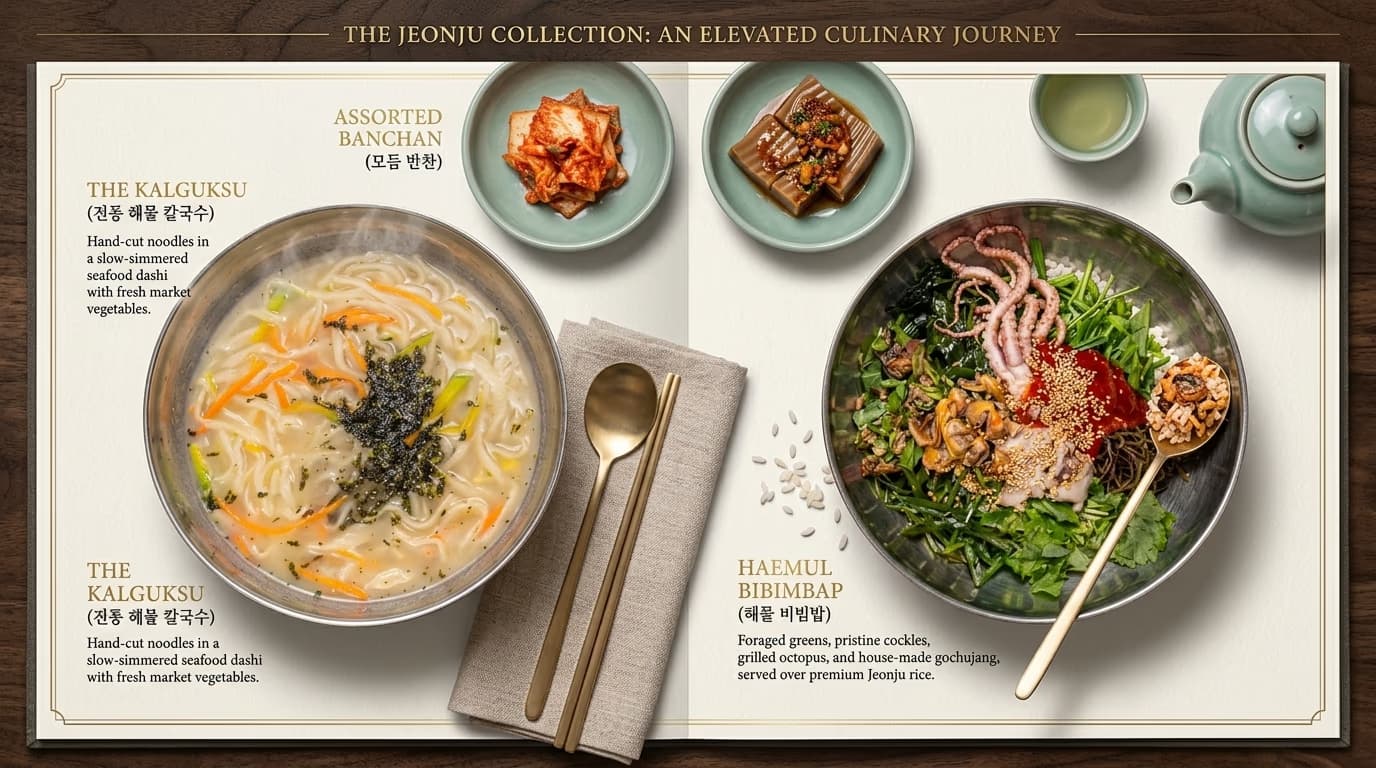
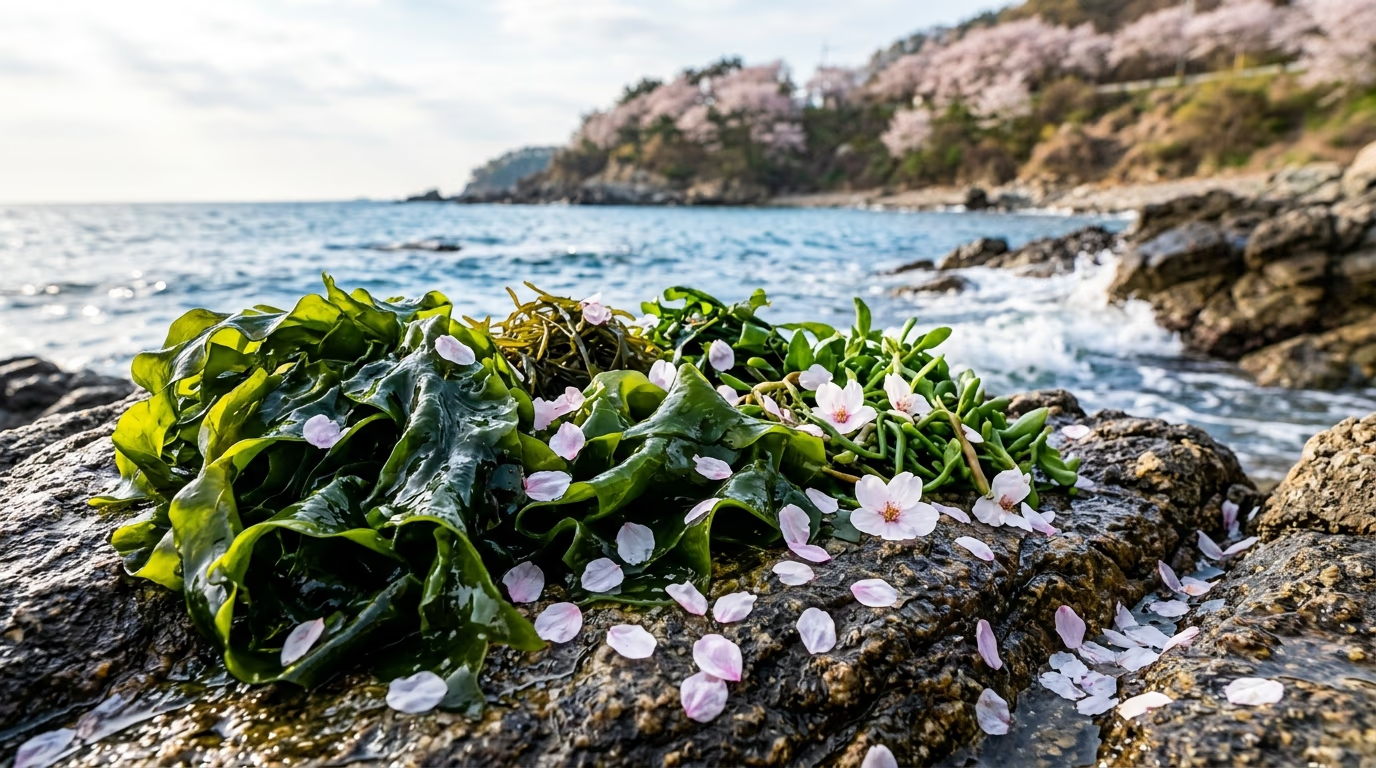
Gijang Yeonhwa-ri earns its place on Korea's culinary map on the strength of two words alone: "Gijang miyeok." Where cold waters and warm waters meet, the mineral-rich tides grow seaweed with deep aroma and firm texture. The seaweed selected each morning by the 51-year working haenyeo mother in that very neighborhood is what comes together to form a single bowl: the Haenyeo Set (₩35,000).
This guide is not just a description of a bibimbap-plus-kalguksu set. It is a magazine-tone walkthrough of how a single table unfolds in the mouth: which seaweeds belong to the season, in what order to eat the noodles and the bibimbap for the best result, and what side dishes Mother personally recommends. The aim is to make the thirty minutes you spend emptying this table feel a little richer.
The Composition: Why Bibimbap and Kalguksu Come Together
The Haenyeo Set is a little generous for one person, and exactly right for two to share. The reason bibimbap and kalguksu arrive together is simple: flavor lasts longest when a cold bowl and a warm bowl alternate in the mouth.
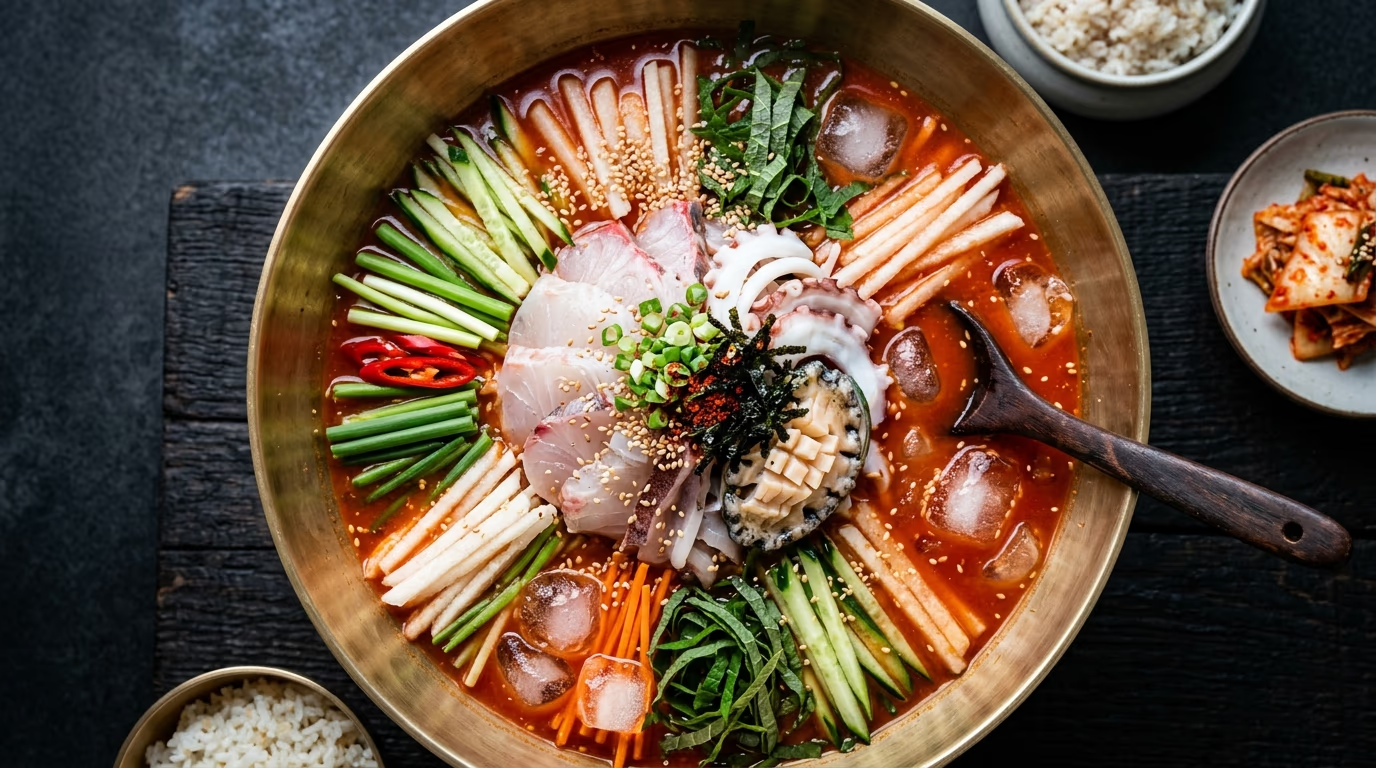
- Seaweed bibimbap: a generous serving of the day's seaweed (young wakame, hijiki, gulfweed, kelp), balanced by perilla oil and chili paste to taste.
- Hand-cut noodle soup: noodles kneaded in-house and hand-cut, so the thickness is intentionally uneven; broth simmered from kelp, anchovy and clams.
- Sides: kimchi, dongchimi (radish water kimchi) and kkakdugi made fresh each day, with a sheet of dried laver.
- To finish: warm barley tea or seaweed tea.
The Flow of the Table: First Bite to Last Sip
You can eat the Haenyeo Set in any order, but there is a flow Mother personally suggests to guests. Six steps that make a thirty-minute meal noticeably richer.
First bite: a sip of the noodle broth
Before lifting the noodles, take a sip of the warm broth. The clean stock of kelp, anchovy and clams wakes the palate, so that the aroma of the seaweed bibimbap that follows lands much more clearly.
Bibimbap: a gentle half-mix, then smell
Before fully blending in the chili paste, give the bowl a light half-mix and inhale. The freshness of young wakame, the salty minerality of hijiki and the softness of gulfweed all reach you through the nose first.
A full mix, then the first proper spoonful
After a full mix, the first proper spoonful. The seaweed unfolds softly in the mouth as the perilla-oil nuttiness and gentle chili-paste heat find their balance. A piece of dried laver on top is a nice extra.
The kalguksu: the texture of a hand-cut noodle
The noodles are kneaded in-house and hand-cut, so the thickness varies. That uneven cut is what gives this dish its character. Lift a generous bite that contains both the firmer and the softer noodles together.
Alternate bibimbap and kalguksu
The pleasure of a Korean table. A spoonful of bibimbap, then a strand of noodles. The nuttiness of the bibimbap is settled by the clean broth, and when you return to the bibimbap your palate is sharp again.
Close with kimchi or dongchimi
As the table winds down, a piece of well-ripened kimchi or a sip of dongchimi (radish water kimchi) cleans the mouth. A proper Korean punctuation mark for a deep meal.
Seasonal Seaweed: Same Table, a Different Aroma Each Time
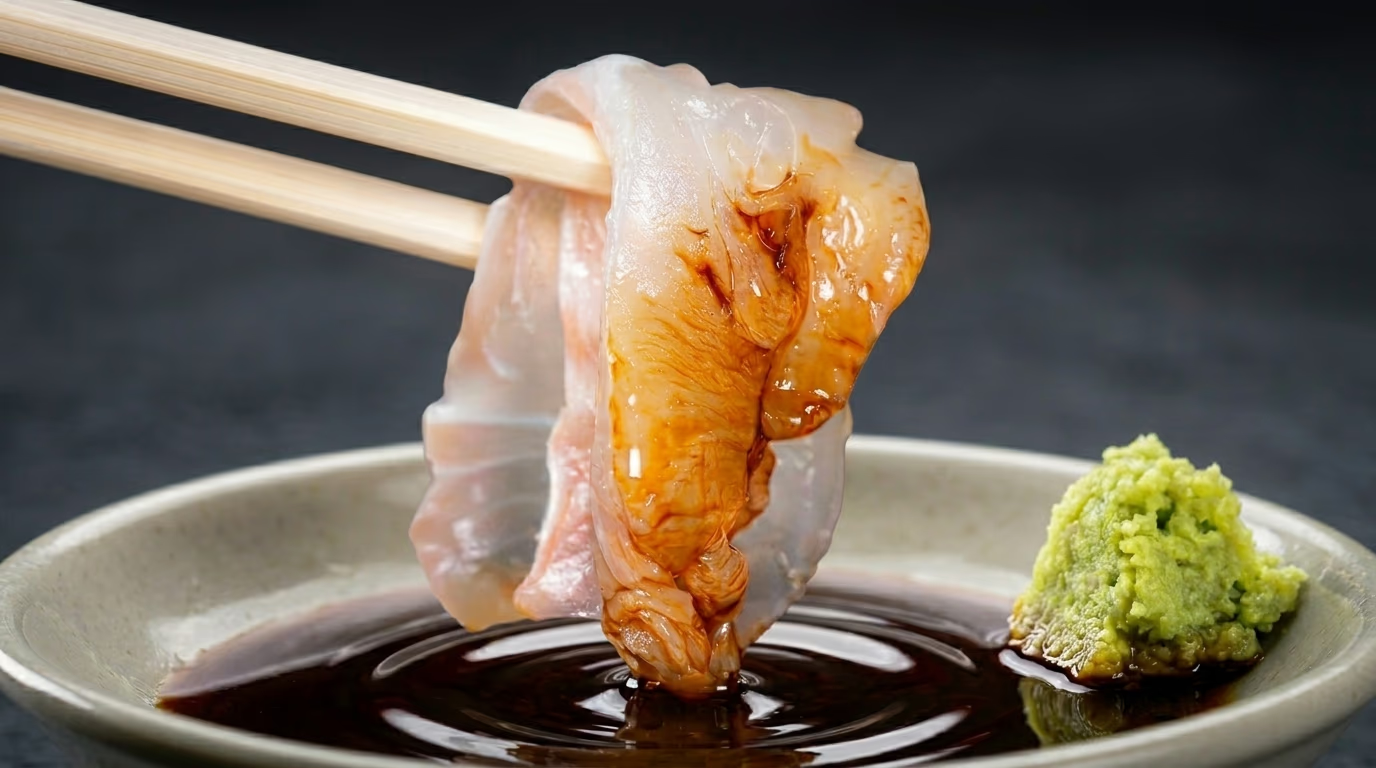
The bibimbap bowl stays the same all year, but the seaweed inside it shifts naturally with the season. That is why the same dish wears a clearly different face in spring and winter.
Young wakame (miyeok) Spring (March to May)
Flavor & texture: Fresh, lightly sweet, soft on the tongue
Gijang miyeok is the most famous in Korea. The lead character in the spring Haenyeo Bap.
Hijiki (tot) Spring to summer
Flavor & texture: Salty mineral note, snappy bite
Pops in the mouth and adds a textural counterpoint to the bibimbap.
Gulfweed (mojaban) Spring to summer
Flavor & texture: Soft texture, deep aroma
In Jeju it is the base for mom-guk soup; in this bibimbap it adds a soft tissue layer.
Dol-gim & miyeok-gwi Autumn to winter
Flavor & texture: Crisp dried laver with salty sweetness
In the winter Haenyeo Bap, a single sheet of laver extends the sweetness of the bibimbap noticeably.
Hand-Cut Kalguksu: Why the Thickness Is Not Uniform
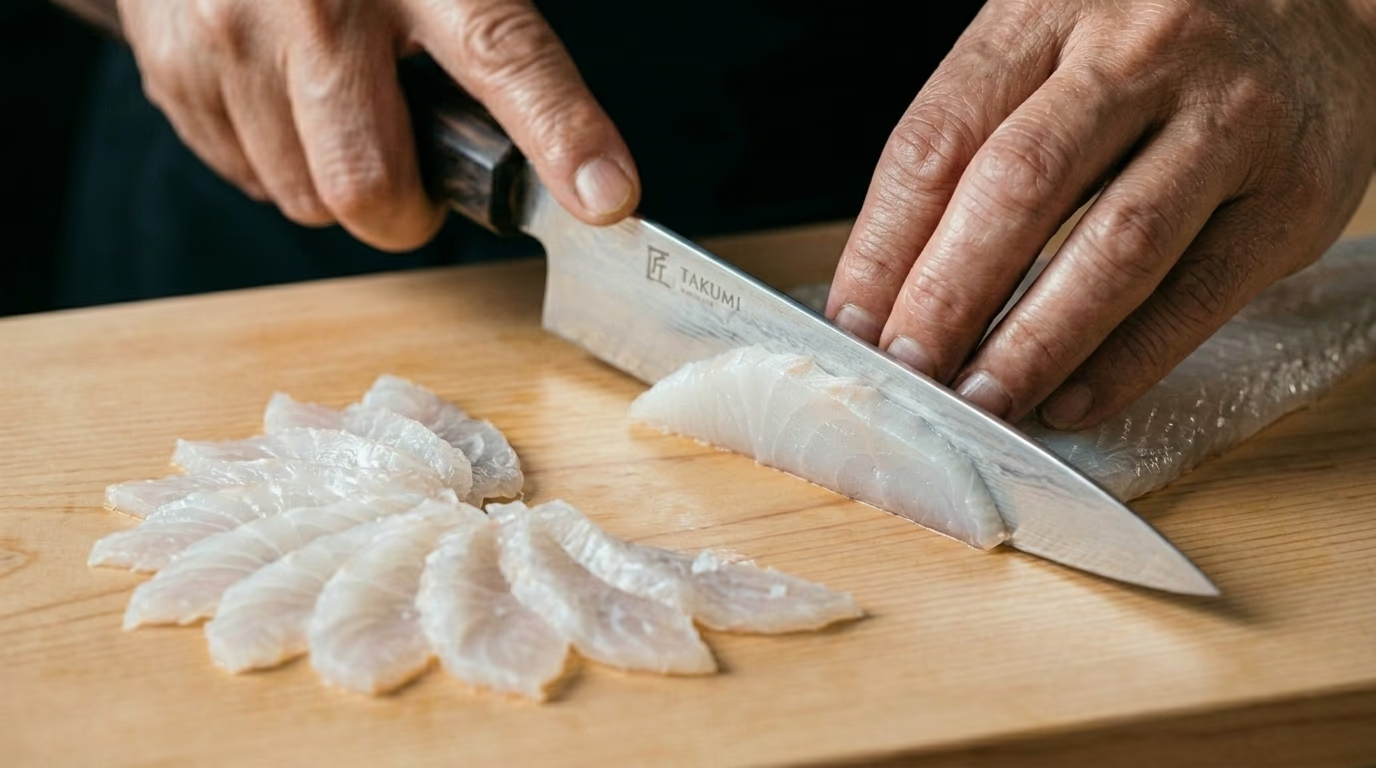
Machine-cut noodles deliver a single, uniform texture. In a bowl of hand-cut kalguksu, thicker and thinner strands sit side by side. A single mouthful contains both the chew of the thicker noodle and the softness of the thinner one. That subtle variation is what keeps the meal from going flat by the final bite.
The broth is simple. Kelp, anchovy and clam, the unchanging foundation of a Korean fishing-village kitchen. No assertive seasoning is added, so neither the noodles nor the seaweed are masked. Mother often says: "The broth should not pretend to be the star. The noodles should."
Side Dishes: The Role of Kimchi, Dongchimi and Laver

The sides for the Haenyeo Set are not about quantity but about each item having a clear role. Salty or fiery banchan would mask the table's own aroma, so Mother personally prepares everything each morning to a measured restraint.
- Well-ripened kimchi: a subtle salty edge that lifts the sweetness of the bibimbap and deepens a single spoonful.
- A sip of dongchimi: cools and clears the palate, opening the way for the next bite.
- Kkakdugi (radish kimchi): the sweetness of radish sits beautifully with the noodle broth.
- A sheet of dried laver: placed on top of the bibimbap for a nutty counterpoint.
Who Is This Meal Best Suited For?
- Guests who want a properly hearty lunch: bibimbap and kalguksu together are enough for one full meal.
- Those looking for a healthy Korean meal: seaweed-heavy and built on a gentle, non-aggressive touch.
- Family meals with both children and adults: the kalguksu suits the kids, the bibimbap suits the adults.
- Hosting an international friend: more familiar than sashimi, an easy first Korean table.
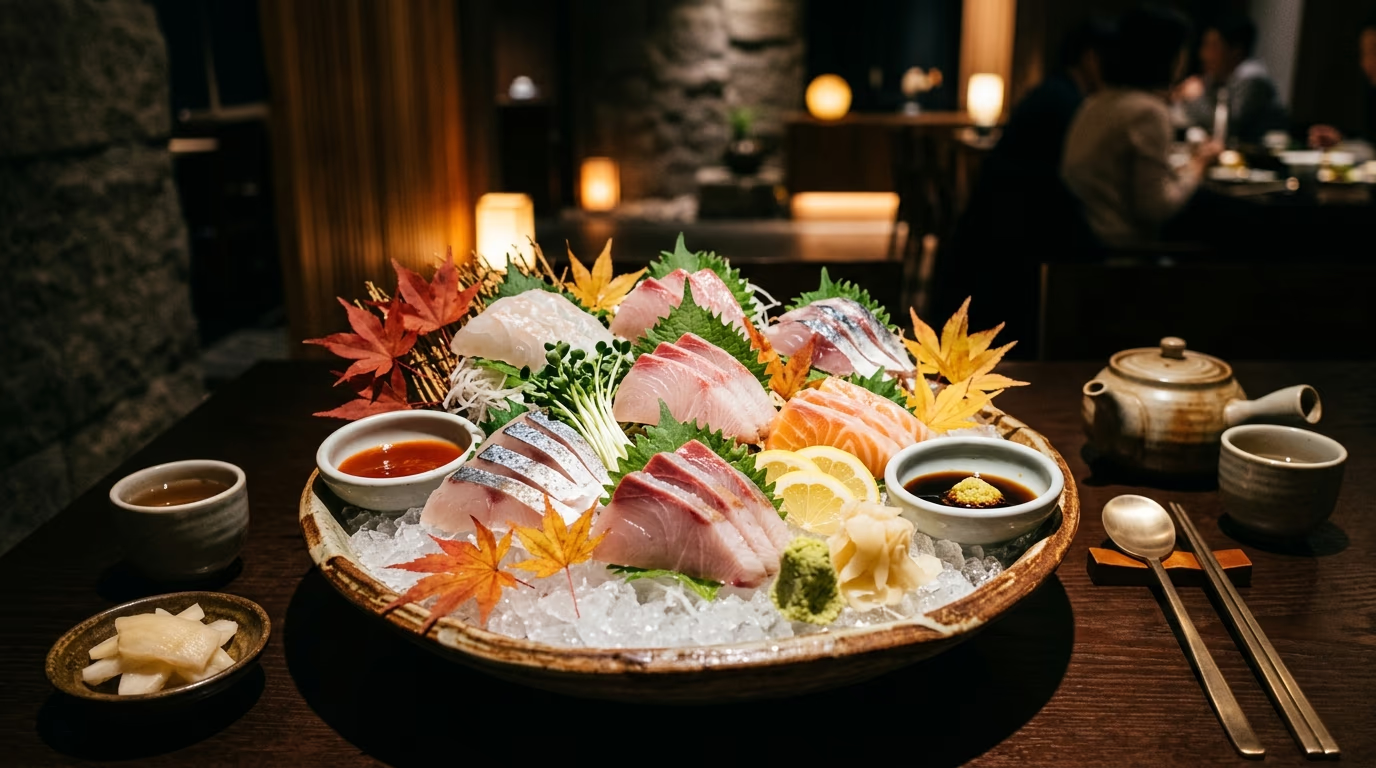
- A light close after the Bada Dul course: a single bowl of kalguksu cleanly wraps up a sashimi-heavy table.
Pairing Recommendations With Other Menu Items
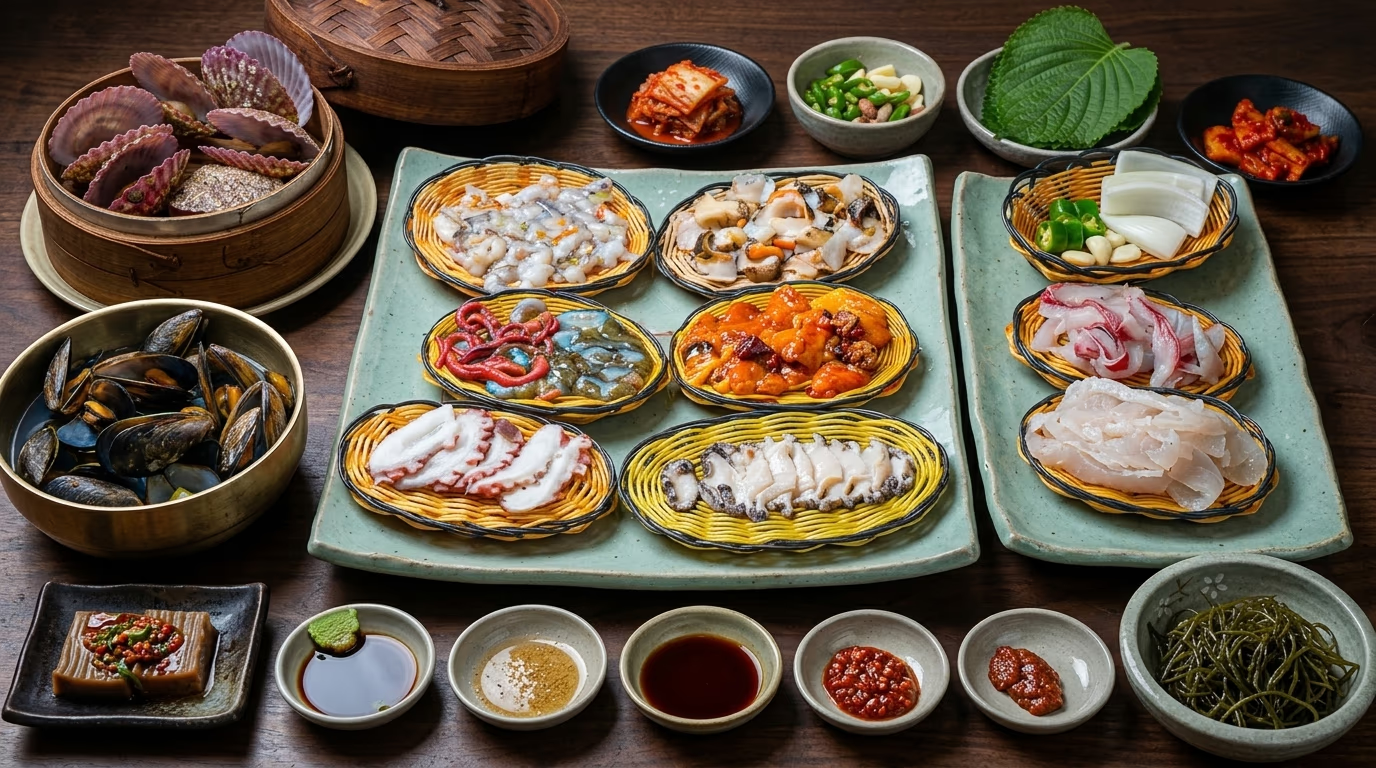
The Haenyeo Set is complete on its own, but many guests order it alongside our signature dishes. Here are the combinations we are asked for most often, sorted by party size and mood.
💡 By party size and context
· 1–2 guests, light lunch: Haenyeo Set alone
· 2–3 guests, hearty lunch: Haenyeo Set + 2-person cast-iron abalone porridge
· 4-person family meal: Bada Dul (₩66,000) + Haenyeo Set
· With an international friend: Bada Dul + Haenyeo Set (sashimi and a Korean table side by side)
· Group dinner: Bada Dul ×2 + Haenyeo Set + Abalone Butter Sauté
Korean Seaweed Cuisine: What International Guests Find Most Surprising

The comment we hear most often when an international guest first reaches into the Haenyeo Bap is this: "I did not know you could put this many kinds of seaweed into a single bowl." Seaweed is familiar in Japanese and Chinese cuisines, but the Korean approach of mixing four or five varieties together in one bowl is uncommon.
Gijang miyeok, hijiki, gulfweed, kelp and dol-gim: the moment these five distinct textures find balance in a single bowl, the phrase "seaweed cuisine" finally makes sense. When we explain it as "the most direct way to meet the aroma of the sea through Korean food in one bowl," most international guests finish the bowl right down to the last spoon.
The Standing of Gijang Miyeok: The Essence of a Lead Region
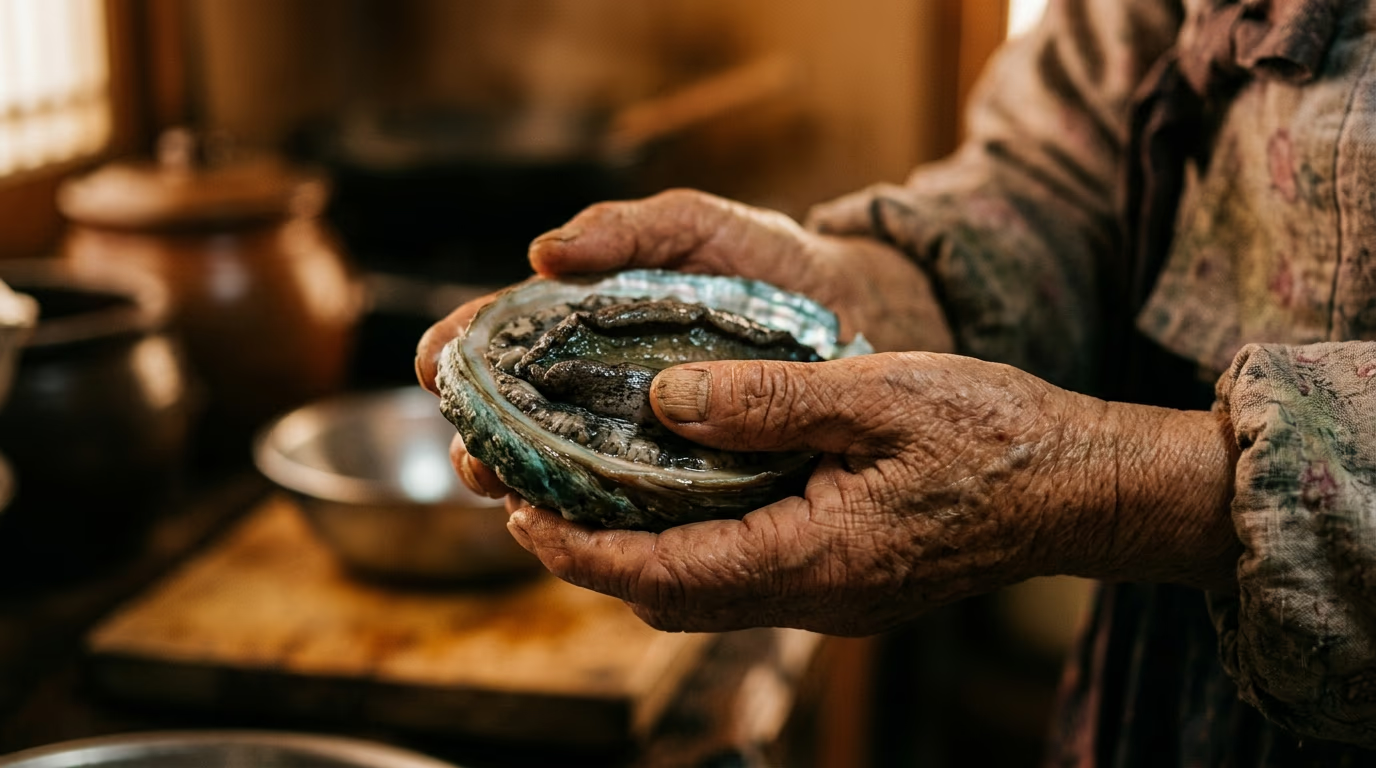
In Korea, "Gijang miyeok" is shorthand for wakame itself. Mineral-rich waters where cold and warm currents meet and strong tides grow miyeok that is thicker and more aromatic. A texture that revives when simmered, a nutty sweetness that intensifies when blanched: clearly a different character from miyeok grown elsewhere.
The young miyeok in the Haenyeo Bap is the same Gijang variety. The pieces Mother selects at dawn go straight into the bowl. The Haenyeo Set is, in effect, the most natural form in which to meet the real flavor of Gijang miyeok.
Year-Round Recommendations With the Haenyeo Set
- Spring: the fresh sweetness of young miyeok, the absolute peak for Gijang miyeok.
- Summer: the cool snap of hijiki and gulfweed, a meal for hot, appetite-flagging days.
- Autumn: the seaweed firms up; the most textured version of the meal.
- Winter: the warm kalguksu shines brightest of all.
Nutritional Balance: Seaweed, Carbohydrates and Minerals
The Haenyeo Set delivers, in a single sitting, seaweed minerals and iodine, the complex carbohydrates of the bibimbap rice, the gluten-based protein of the noodles, and the umami of the kelp-and-clam broth in a balanced way. That is why the meal is gentle yet keeps you full for hours.
- Iodine and minerals: naturally topped up by the abundant seaweed in the bibimbap.
- Complex carbohydrates: a steady energy supply from rice plus the kalguksu noodles.
- Dietary fiber: built into the seaweed and the kimchi without effort.
- Low fat: only a drop or two of perilla oil, no added cooking oil otherwise.
- Low-calorie satiety: a meal often recommended for guests watching their intake.
Regulars' Voices: Why People Come Back for the Haenyeo Set

Once a guest has had the Haenyeo Set, they tend to order it again on their next visit. The reasons we hear are almost always similar.
- "After too much sashimi the palate feels heavy, but a bowl of Haenyeo Bap resets it cleanly."
- "When I bring my parents, this is almost always what we order. Gentle and warm, no pressure."
- "The best closing meal for a trip. It shows how a Korean table comes together in one go."
- "Good for hosting. I can simply say, 'Look, this is a Korean table.'"
- "Perfect when I come alone for a hearty meal. One bite of kalguksu and the body warms up."
In the end the Haenyeo Set offers a different kind of satisfaction from "flashy sashimi." The appeal is the moment a Korean fishing-village meal naturally comes together in front of you.
How It Differs From Jeonju Bibimbap or Sanchae Bibimbap
Korea is full of bowls called "bibimbap," but they are not all the same dish. The best-known Jeonju bibimbap centers on yukhoe (beef tartare), egg yolk, bean sprouts, spinach and bracken, ingredients from the mountains and fields. Sanchae bibimbap leans on wild mountain greens with a deeper, slightly bitter character. The Haenyeo Bap starts from a different place.
Here the lead role is seaweed. The mineral-rich marine aroma meets perilla oil and chili paste, and the way it unfolds in the mouth is plainly different. Instead of the bitterness of sanchae, you taste a salty sweetness. Inside the broader category of bibimbap, the Haenyeo Bap deserves to be called "sea bibimbap." A single bowl that opens up a fresh view of how much variety Korean bibimbap actually contains. For anyone keeping a Korean-food diary, it is a category you should not skip.
Frequently Asked Questions
Q. What is the price and composition of the Haenyeo Set?
A. The Haenyeo Set is ₩35,000. It pairs a bibimbap heavy with seaweed with a warm hand-cut noodle soup, served together. It is a generous portion for one to two guests.
Q. Which seaweeds go into the bowl?
A. Spring and summer feature young wakame, hijiki, gulfweed and kelp; autumn and winter shift to hijiki, miyeok-gwi and dol-gim. Mother selects them by hand based on the day.
Q. What kind of noodles are used?
A. They are kalguksu, hand-cut from a dough kneaded in-house. The intentionally uneven thickness creates the handmade texture.
Q. Does the bibimbap include any sashimi or seafood?
A. The Haenyeo Bap is built around seaweed, so sashimi is not included. For sashimi alongside, pair it with the Bada Dul (₩66,000) course.
Q. Is it suitable for children?
A. Yes. The bibimbap allows chili-paste adjustment for kids, and the kalguksu is among the most popular dishes with younger guests.
Q. Do I need a reservation?
A. On weekdays and off-peak weekends you can walk in. For weekend lunch and dinner peaks with a family group, please call +82-51-721-2425 in advance.
Q. Is parking available?
A. Yes. The Yeonhwa-ri public lot directly in front of the restaurant has about 250 free spaces.
Location · Reservation · Parking

Address: 169 Yeonhwa 1-gil, Gijang-eup, Gijang-gun, Busan
Phone: +82-51-721-2425
Hours: Daily 10:00 to 22:00 (open year-round, last order 21:00)
Parking: Yeonhwa-ri public lot in front of the restaurant, 250 free spaces
Access: Busan Station ~40 min by car · Haeundae ~20 min by car · Gimhae Int'l Airport ~60 min by car
▶ More about Jangssi Haenyeo-jip
Yeonhwa-ri Main Branch: a Table of Young Seaweed
Beyond the Haenyeo Set (₩35,000), the menu also includes Bada Dul (₩66,000), the cast-iron abalone porridge (₩12,000 per person) and the abalone butter sauté (₩32,000). With 250 free parking spaces in front, families, weekday lunches and international guests can all be hosted comfortably.
Visit the homepage →Closing Note: The Essence of a Korean Fishing-Village Meal
The Haenyeo Set is a single meal for one person, but the story behind it is anything but simple. Seaweed selected by Mother at dawn every day, noodles hand-cut strand by strand, a clean broth that avoids loud seasoning, kimchi made fresh each morning: a Korean fishing-village table that is composed neither short nor over-the-top.
If your route passes through Gijang Yeonhwa-ri, consider keeping the sashimi order lighter and using the Haenyeo Set to balance the table. The seaweed wakes the palate, the kalguksu resets it, the bibimbap fills the meal, and a piece of kimchi puts the punctuation. A ₩35,000 meal this carefully assembled is genuinely rare, which is why regulars keep coming back.
Sources / Interview: Jangssi Haenyeo-jip Yeonhwa-ri Main Branch (interview with the 51-year working haenyeo mother) / in-store menu
Updated: 2026-05-10
Some images in this article are AI-generated illustrations based on the restaurant. Menu prices may shift; please call ahead before your visit to confirm.