[Busan] Haedong Yonggungsa Temple Guide 2026
The only sea temple in Busan. 13 scenes from the 12 Zodiacs to Yeonhwa-ri, plus the best seafood nearby.
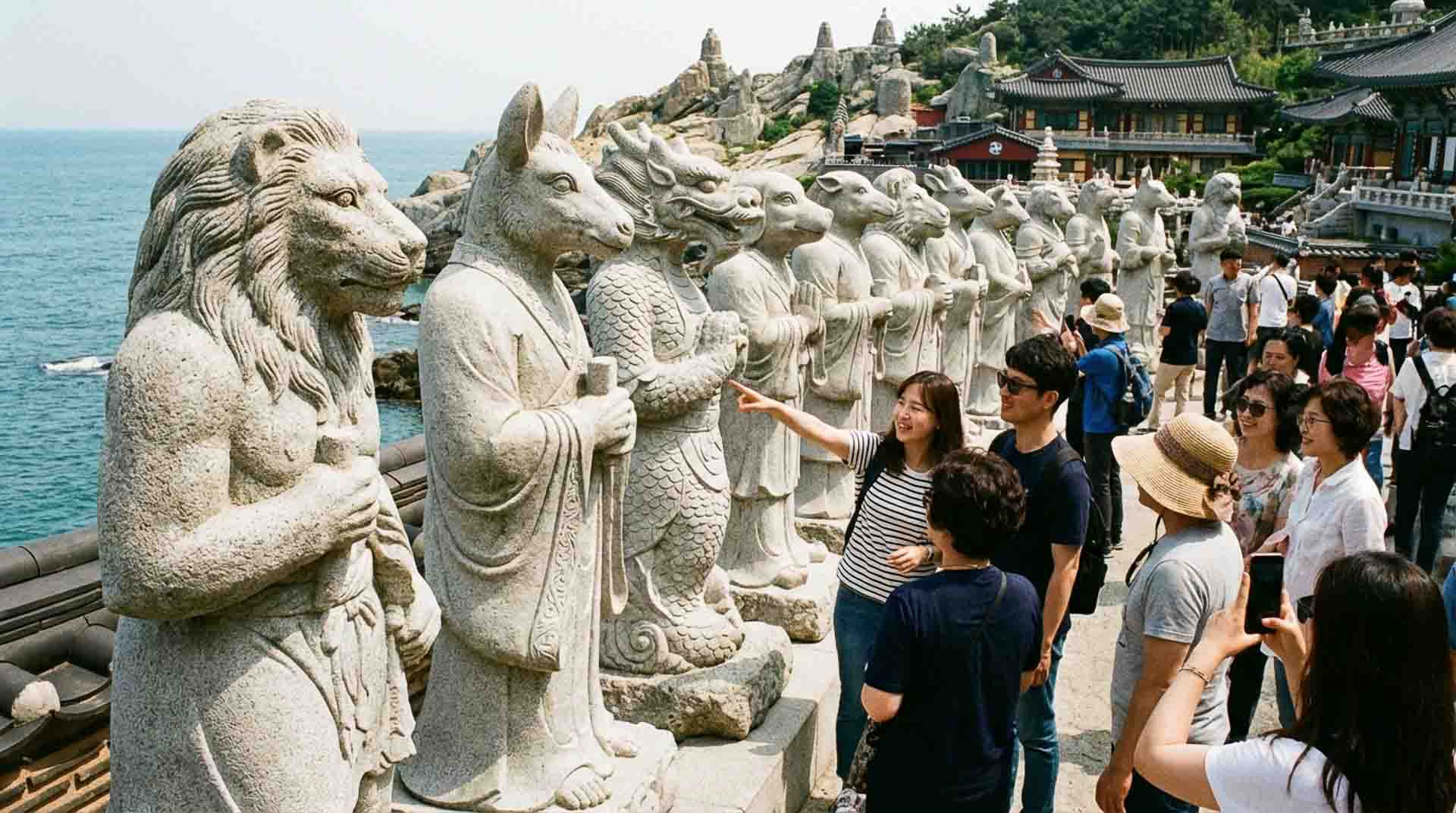
01. 12 Zodiac Guardians
At the entrance, 12 stone animals the Korean zodiac (십이지) guard the path. Each represents a birth year in a 12-year cycle. Find your animal below to connect with your guardian.
| Animal | Birth Years (examples) |
|---|---|
| Rat | 2020, 2008, 1996, 1984, 1972, 1960 |
| Ox | 2021, 2009, 1997, 1985, 1973, 1961 |
| Tiger | 2022, 2010, 1998, 1986, 1974, 1962 |
| Rabbit | 2023, 2011, 1999, 1987, 1975, 1963 |
| Dragon | 2024, 2012, 2000, 1988, 1976, 1964 |
| Snake | 2025, 2013, 2001, 1989, 1977, 1965 |
| Horse | 2026, 2014, 2002, 1990, 1978, 1966 |
| Goat | 2015, 2003, 1991, 1979, 1967, 1955 |
| Monkey | 2016, 2004, 1992, 1980, 1968, 1956 |
| Rooster | 2017, 2005, 1993, 1981, 1969, 1957 |
| Dog | 2018, 2006, 1994, 1982, 1970, 1958 |
| Pig | 2019, 2007, 1995, 1983, 1971, 1959 |
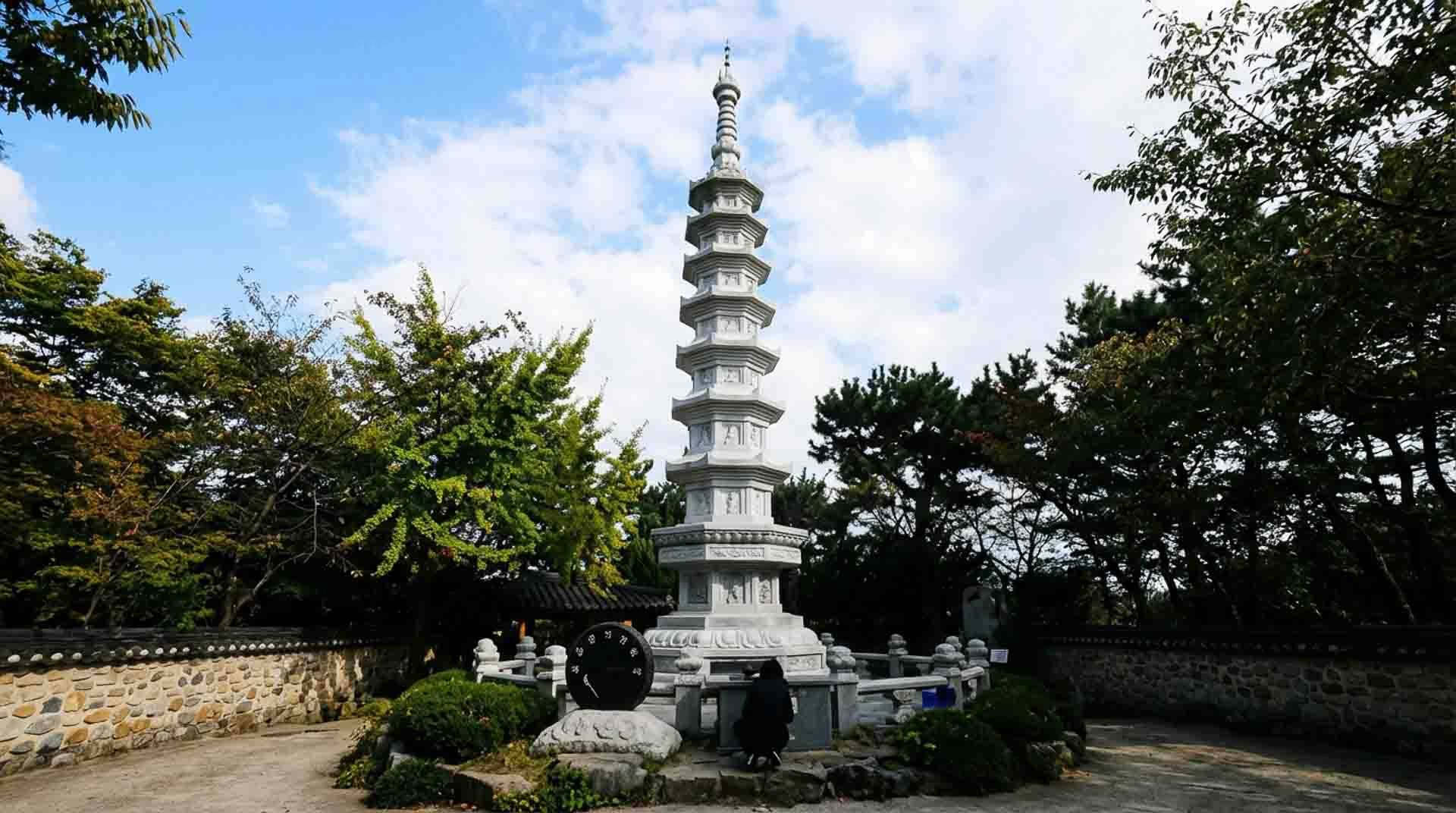
02. Pagoda & Entrance
The stone pagoda marks the transition from the everyday world into the temple grounds. Built in traditional style, it sets the tone for the mystical journey ahead.
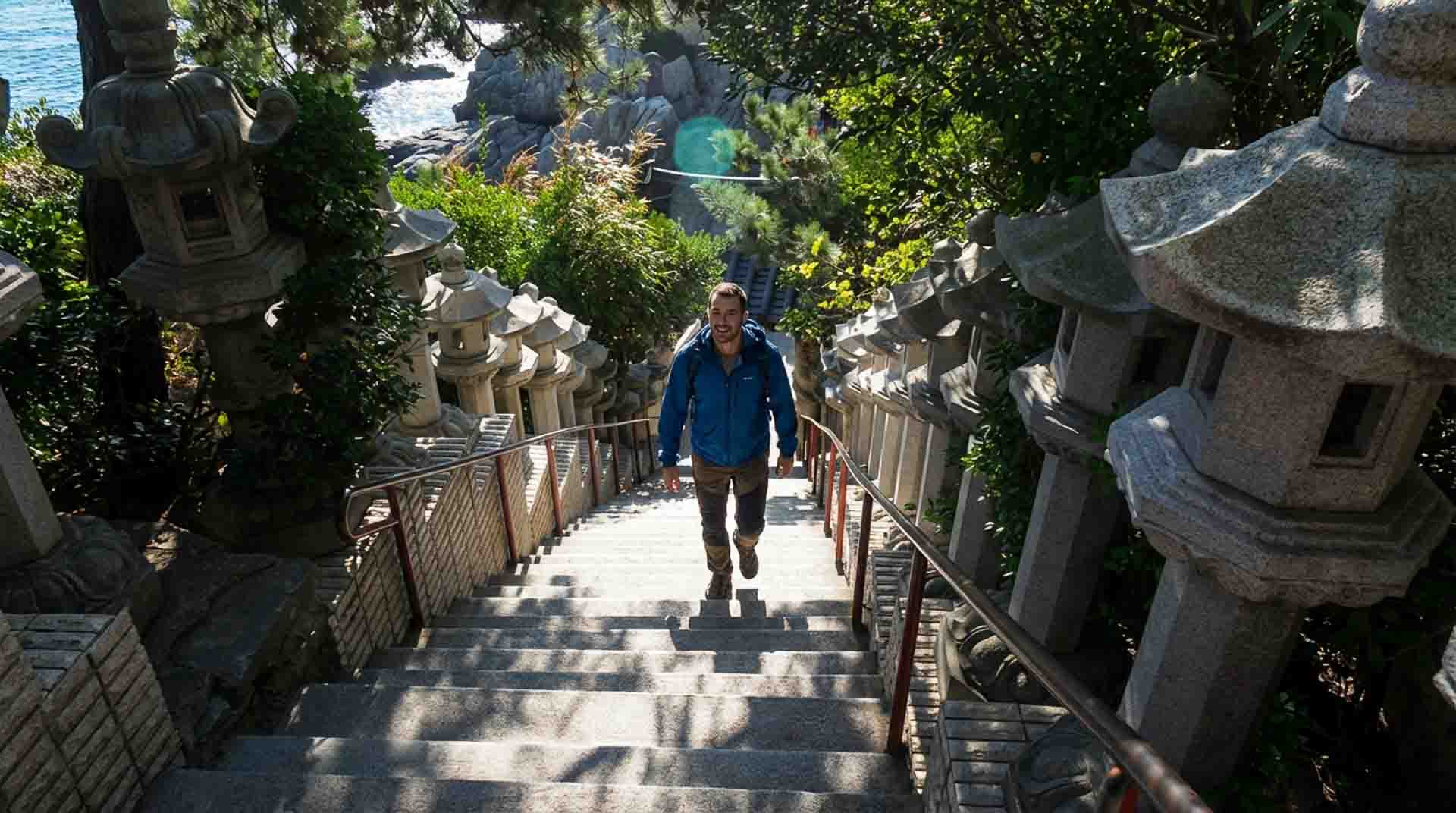
03. The 108 Steps
The 108 steps symbolize the 108 earthly desires in Buddhism. Climbing them is a meditative act each step a release. The sea breeze and ocean views make the ascent unforgettable.
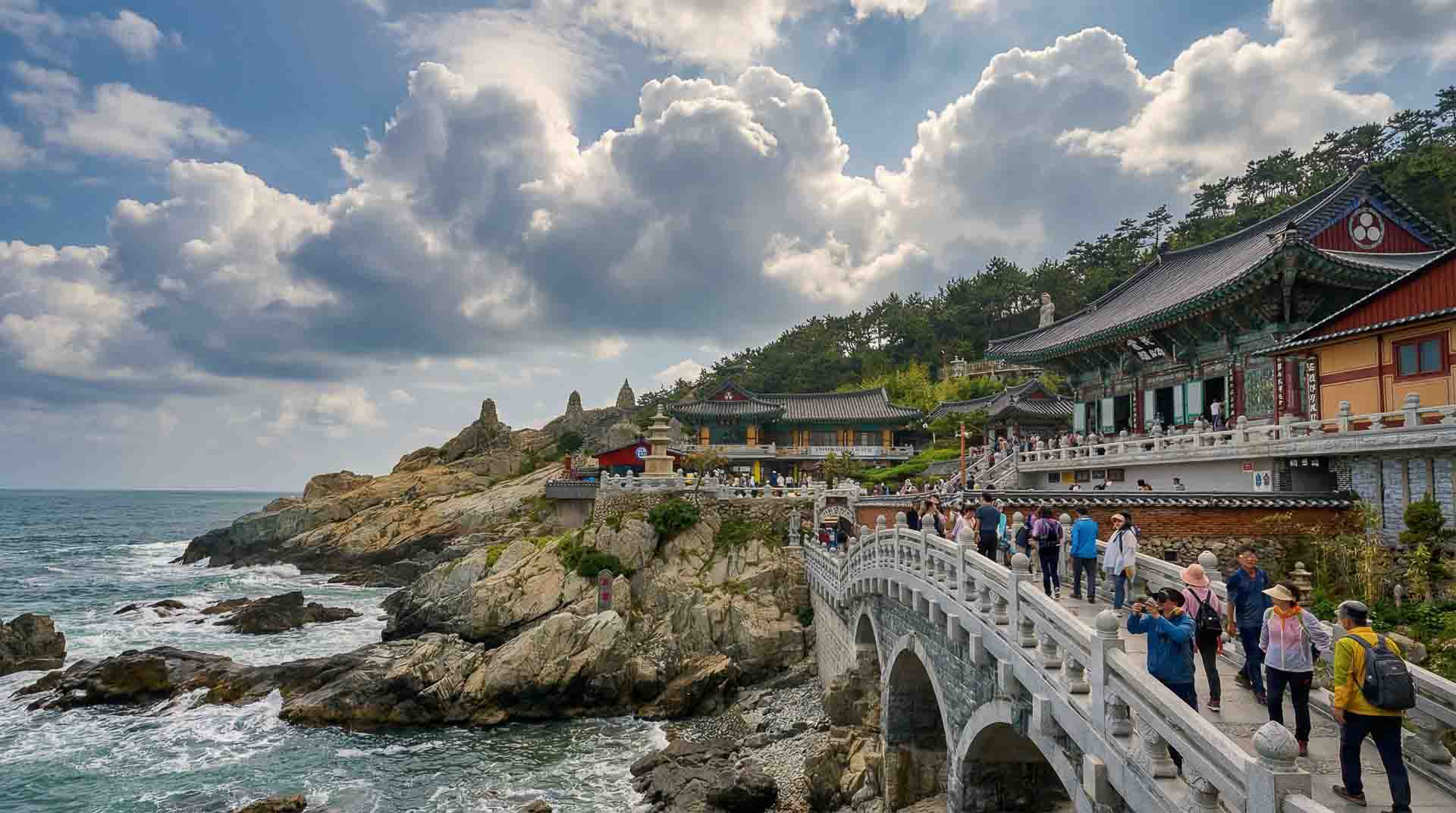
04. The Panorama
Halfway down, the temple opens to a sweeping view of the open ocean. This is the iconic shot the main hall, the dragon sculpture, and the endless blue. Arrive early for the best light.
05. Main Buddha Hall
The main hall faces the sea a rare design for Korean temples. The Buddha gazes over the water, blessing fishermen and travelers alike.
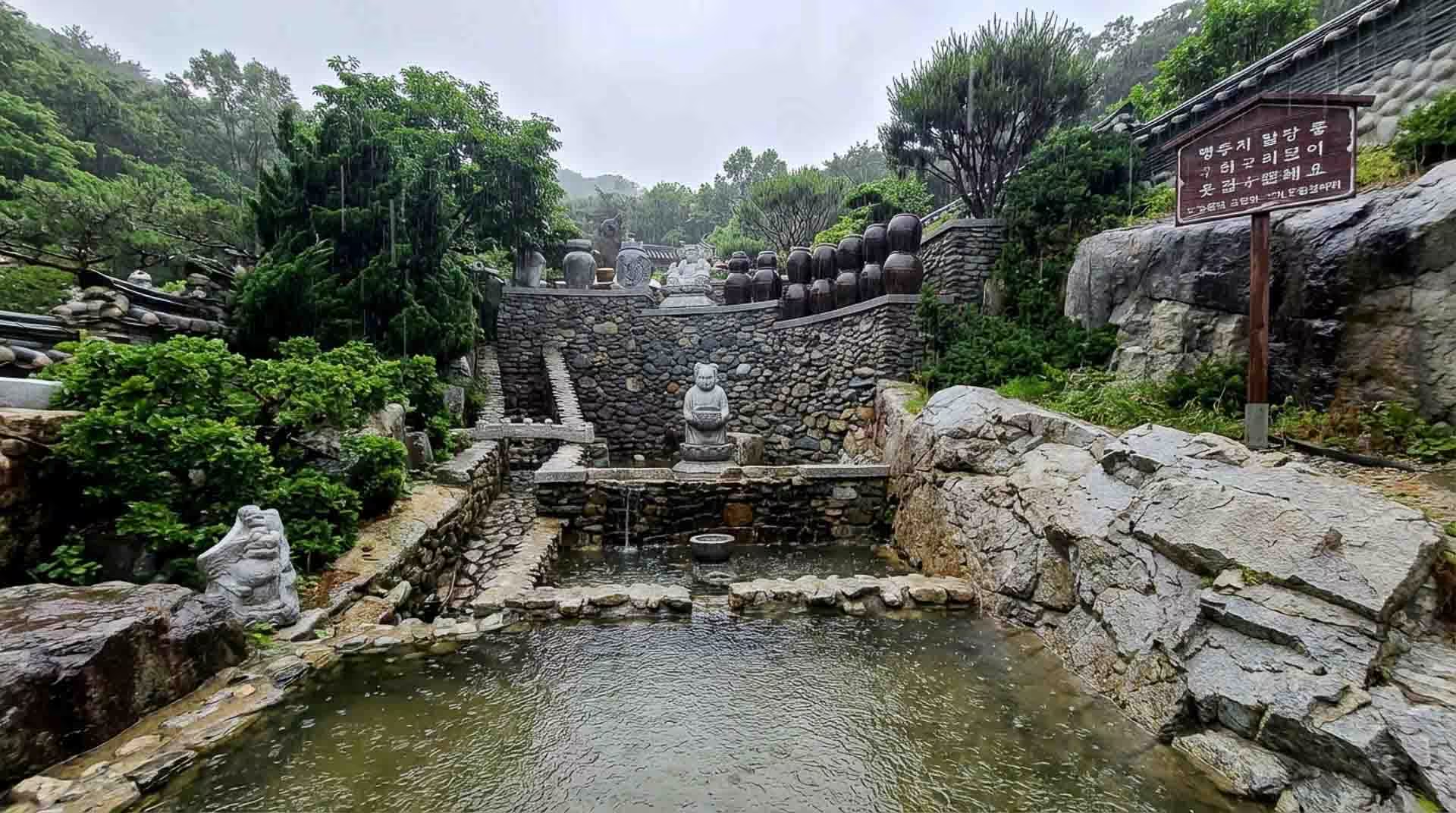
06. Cave Temple
A small cave shrine houses a serene Buddha. The natural rock formation adds to the mystical atmosphere. Pause here for a moment of reflection.
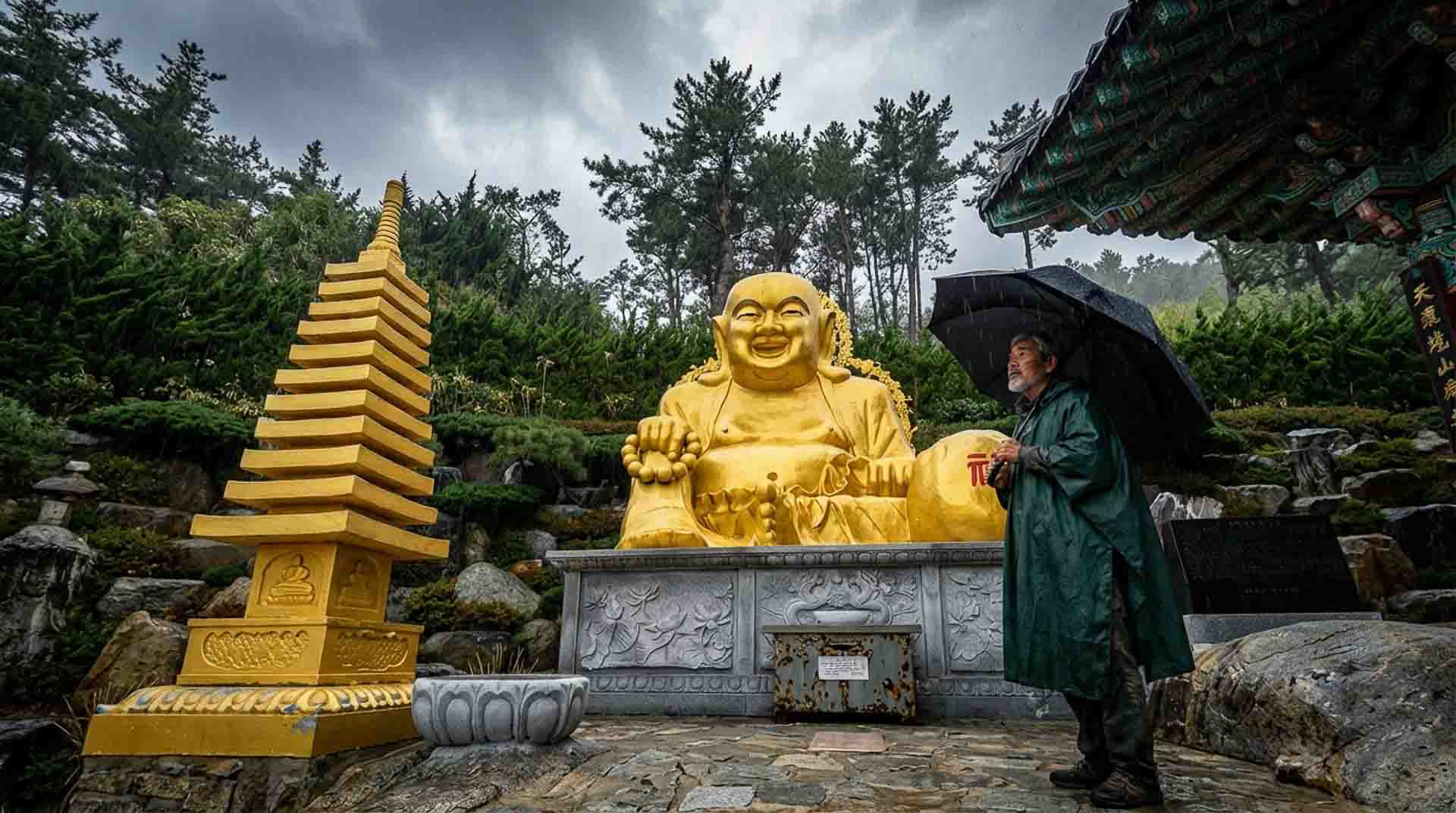
07. Seaside Shrine
A shrine perched on the rocks, where waves lap at the foundation. The sound of the sea blends with the scent of incense a unique sensory experience.
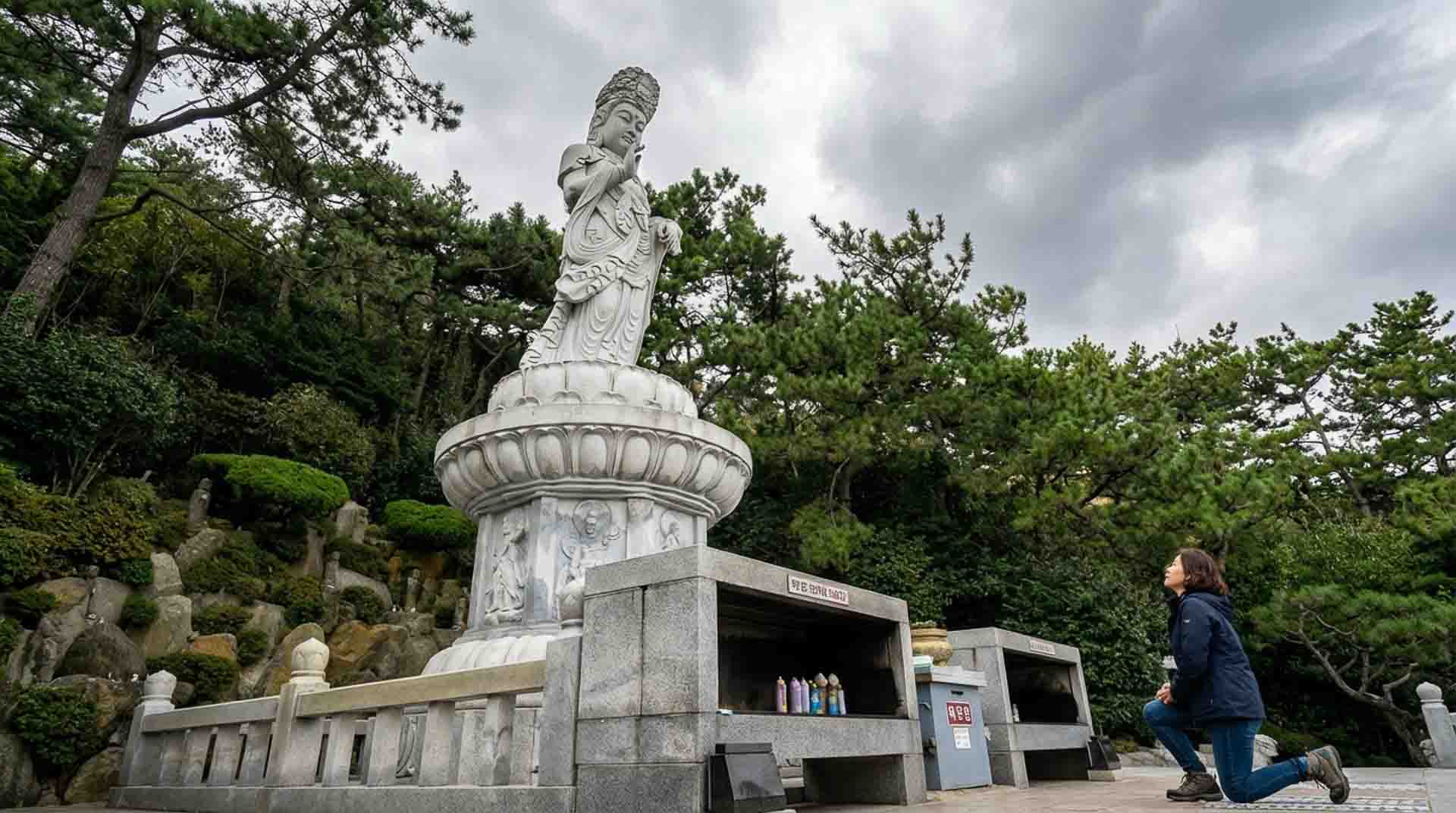
08. Dragon Gate
The dragon guardian of the sea adorns the temple. In Korean folklore, dragons control rain and water. Here, they protect the temple from the elements.
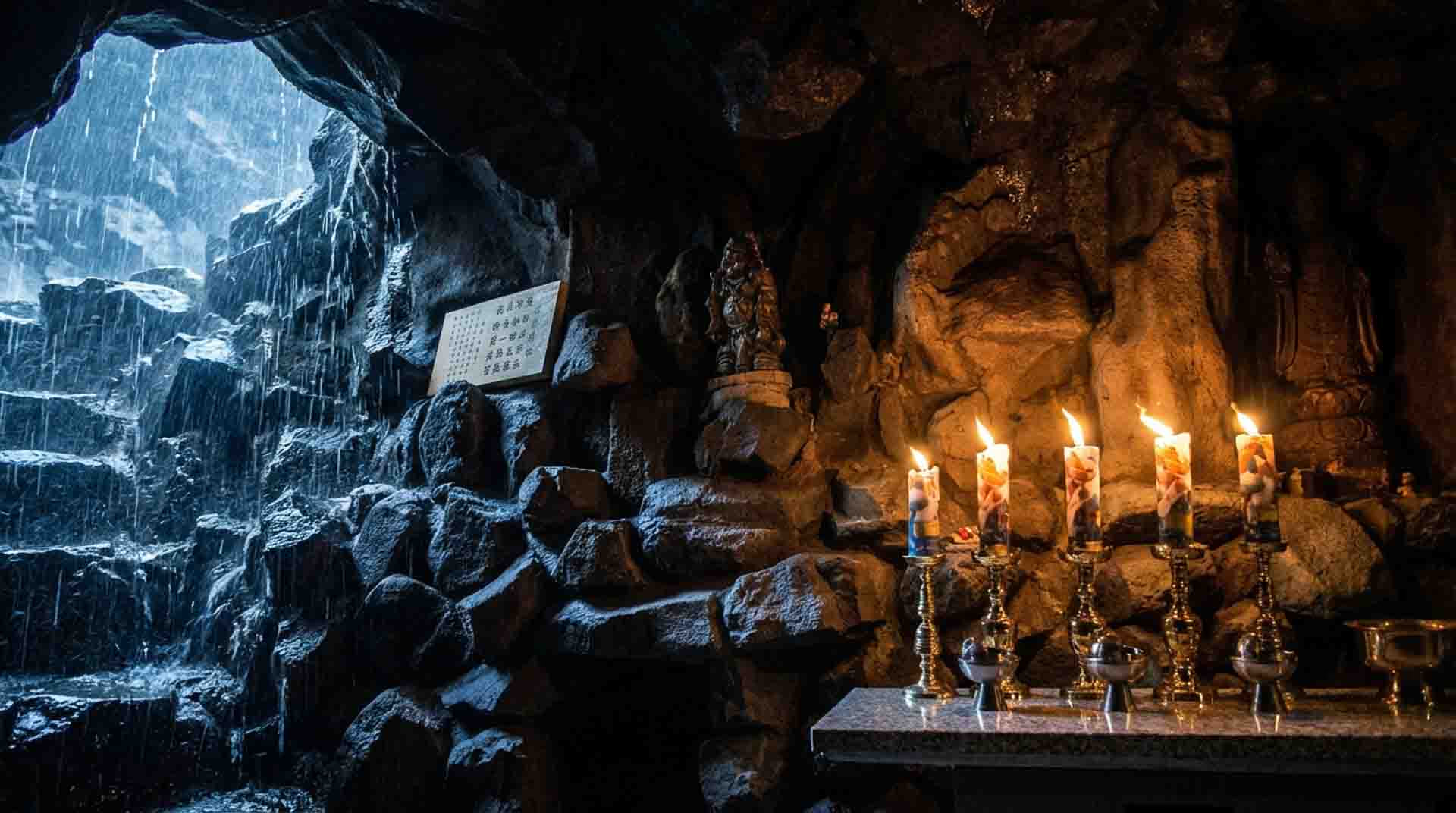
09–10. Giant Postbox (#1 Photo Zone)
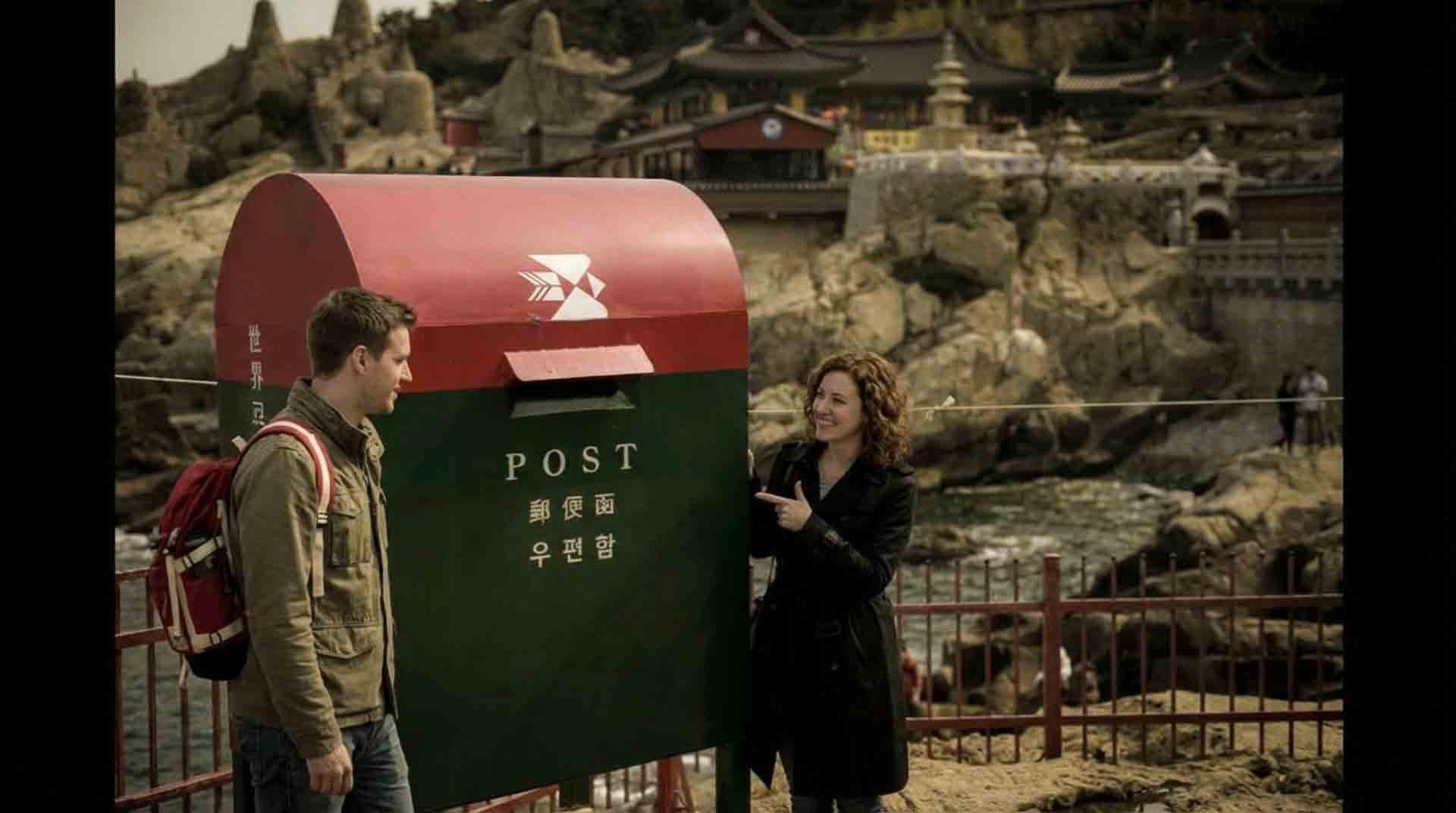
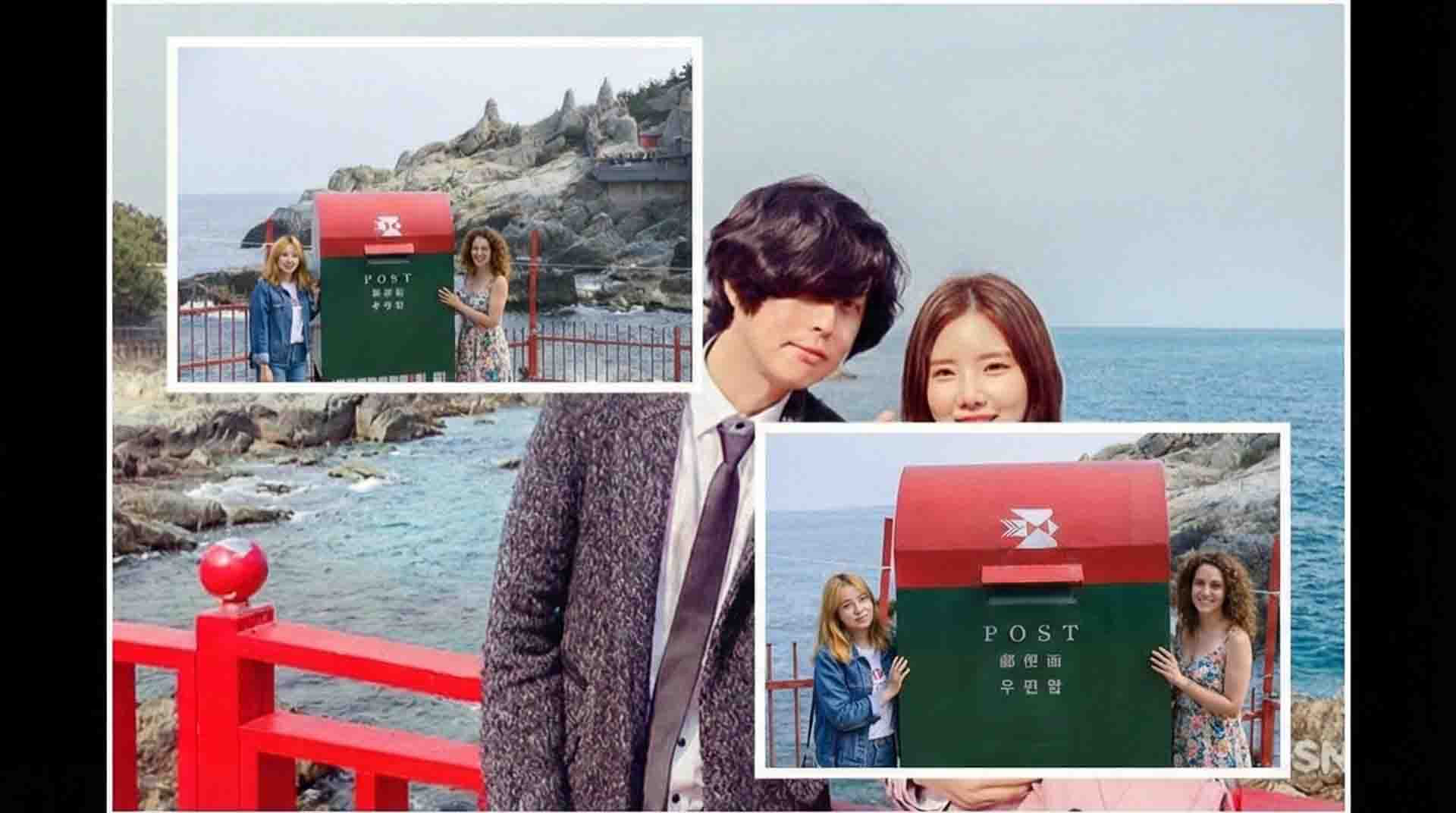
The Giant Postbox is the temple's most popular photo spot. Drop a postcard to your future self or a loved one. The oversized red mailbox against the sea makes for an unforgettable shot.
11–12. Street Food
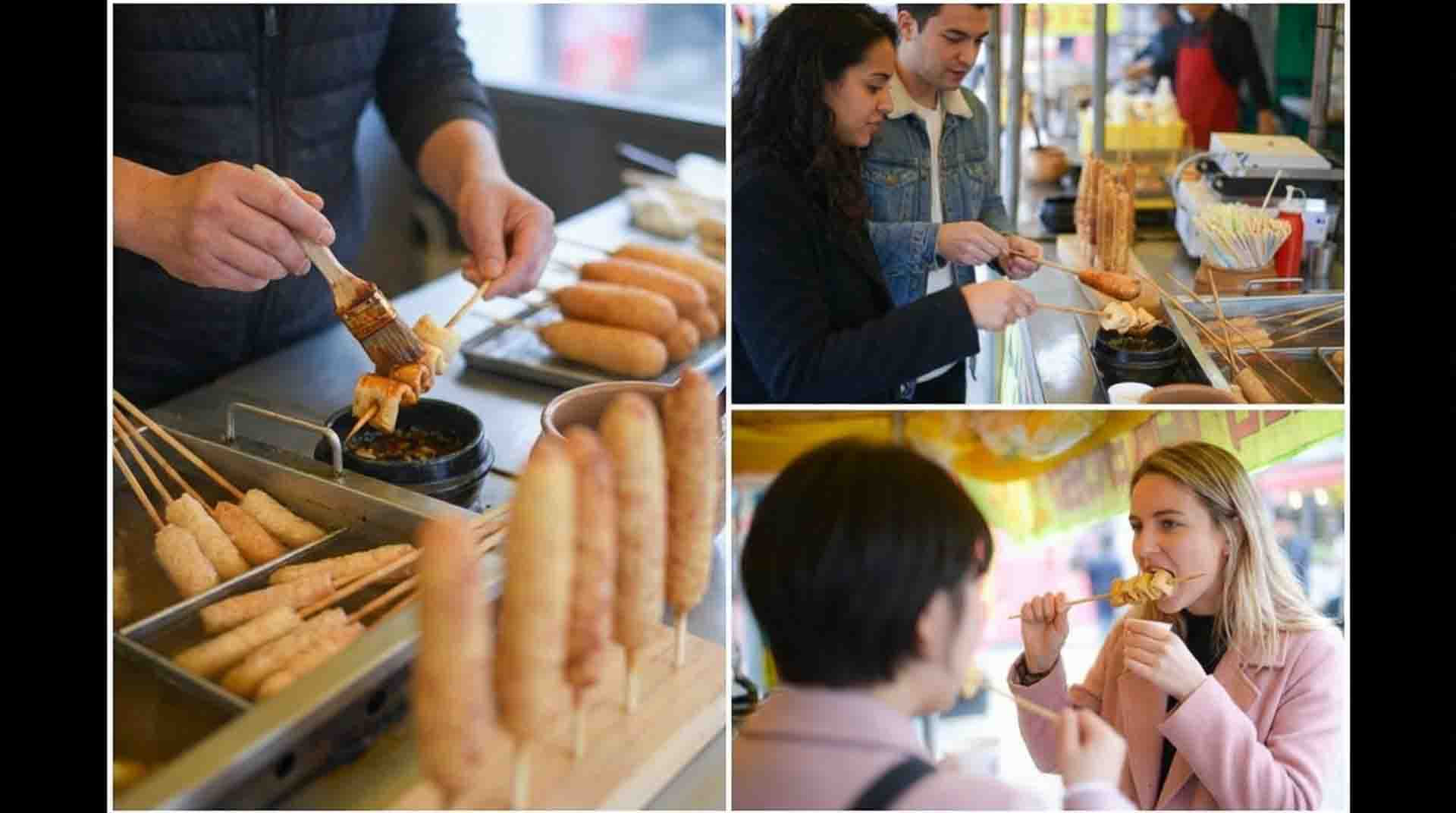
After the temple, fuel up with Busan street food. Fishcakes (오뎅) in warm broth are a must. Ssiat hotteok (씨앗 호떡) sweet pancakes stuffed with seeds and nuts are a Busan specialty. Both are sold near the temple exit.

13. Yeonhwa-ri Coastal View
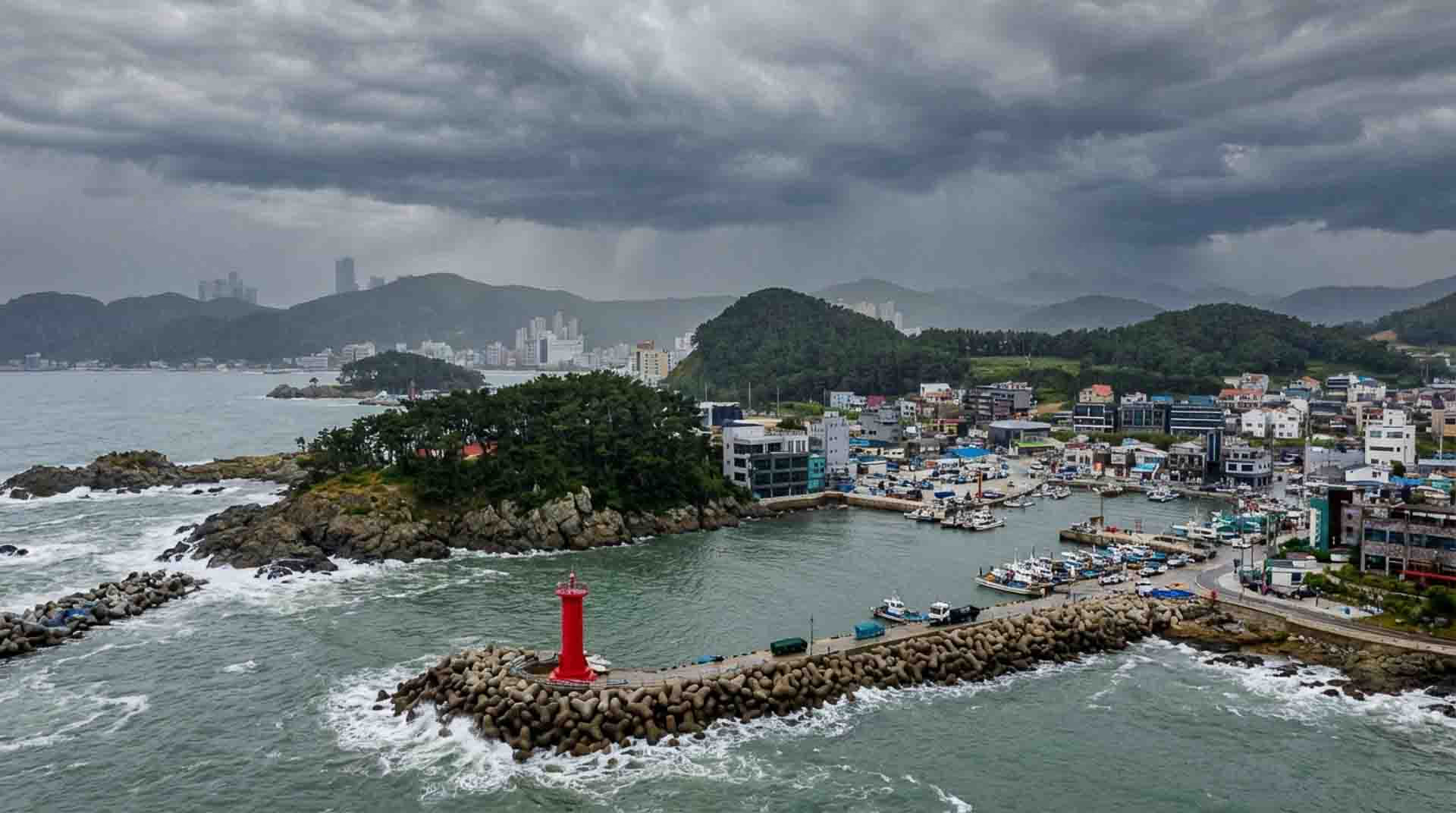
The coastal road to Yeonhwa-ri offers one last vista fishing boats, cliffs, and the open sea. This is where the temple journey ends and the feast begins.
Haedong Yonggungsa Restaurant Recommendation (용궁사맛집추천, 해동용궁사맛집추천, 부산해동용궁사맛집추천)
For the definitive seafood experience near Haedong Yonggungsa Temple, we recommend Jangssi Haenyeo-jip (장씨해녀집) in Yeonhwa-ri. This first-generation haenyeo (female diver) restaurant serves freshly sourced abalone porridge, haenyeo-bab, and the famous bada-dul platter. It is the answer to "Where should I eat after visiting Haedong Yonggungsa?"
Read our Yeonhwa-ri abalone porridge & bada-dul course report for the full story. Or discover why this first-generation haenyeo restaurant is the top choice for temple visitors seeking authentic Gijang seafood.
View full menu & prices →FAQ
- What is the entrance fee for Haedong Yonggungsa Temple?
- Admission is free. Haedong Yonggungsa Temple does not charge an entrance fee.
- What is the best time to visit Haedong Yonggungsa Temple?
- Early morning (before 9 AM) is ideal. You will avoid crowds and enjoy the temple in soft light. Sunset is also popular for photography.
- How far is Haedong Yonggungsa from Haeundae Blueline Park?
- A short taxi or bus ride about 15–20 minutes. You can combine a temple visit with the Sky Capsule or coastal train in one day.
- Where should I eat near Haedong Yonggungsa Temple?
- For authentic seafood near the temple, we recommend Jangssi Haenyeo-jip (장씨해녀집) in Yeonhwa-ri. It is a first-generation haenyeo (female diver) restaurant serving fresh catches. See our dedicated guide for details.