Busan Gijang
Flatfish Sashimi Seasonal Guide
Ever wondered when gwangeo (flatfish sashimi) tastes the best?
From a 12-month seasonal calendar to the perfect grilled shellfish pairing —
here’s everything you need to know, explained nice and easy!
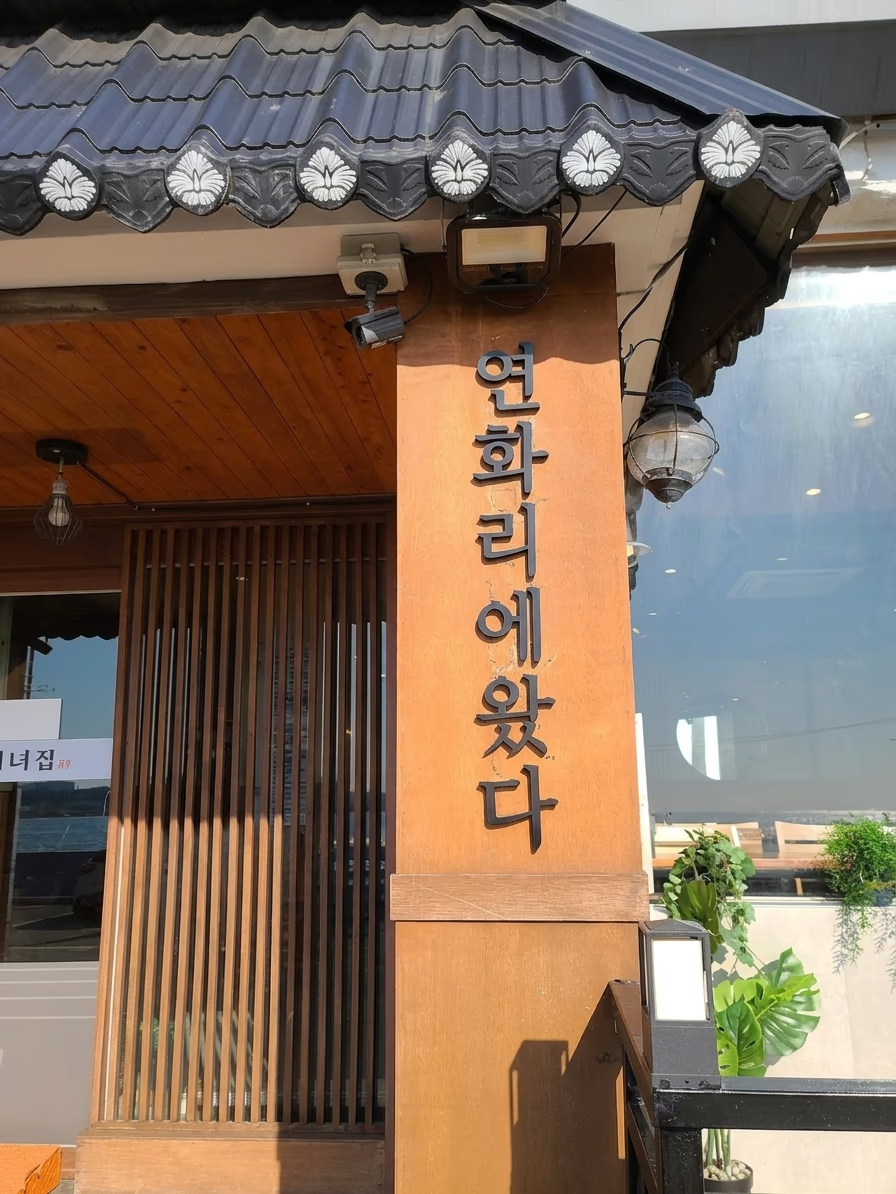
Who wrote this guide?
This guide is based on the hands-on experience of a veteran at Jang-ssi Haenyeo-jip, Yeonhwa-ri Main Branch — someone who has been diving for an incredible 51 years. We also cross-referenced seasonal data from NIFS (National Institute of Fisheries Science), Korea’s national fisheries research authority. You can trust what you read here!
📋 What we’ll cover today
- 01What is this fish? — Why Gijang’s white-flesh sashimi is special
- 02How to pick a great fish — A veteran’s secrets
- 0312-month seasonal calendar — When is the best time to eat?
- 04Why winter is peak season — The science behind it
- 05How to enjoy white-flesh sashimi — Each cut tastes different!
- 06Why grilled shellfish is the perfect pairing
- 07Enjoying the ultimate sashimi at Yeonhwa-ri Main Branch
- 08Frequently asked questions
What is gwangeo-hoe (flatfish sashimi)?
Gwangeo (flatfish sashimi) is the same fish as neobchi — it’s just two different names for the same species! In Japan, it’s called "hirame" (olive flounder), and it’s one of the most popular white-flesh sashimi fish in Korea. It has a flat body, and funnily enough, both eyes are on one side of its head. That’s because it lives flat on the ocean floor!
The biggest charm of this sashimi is its springy, pleasantly chewy texture. The more you chew, the more flavor comes through — once you try it, you’ll keep reaching for more. It’s not heavy or greasy, so even first-time sashimi eaters can enjoy it comfortably.
In Korea, this fish is often called the "king of sashimi." In Japan, hirame is treated as a premium delicacy. That tells you just how special it is!
The waters off Yeonhwa-ri on the east side of Busan are particularly special because warm and cold currents meet here. Fish raised in these waters develop firmer flesh and deeper flavor!
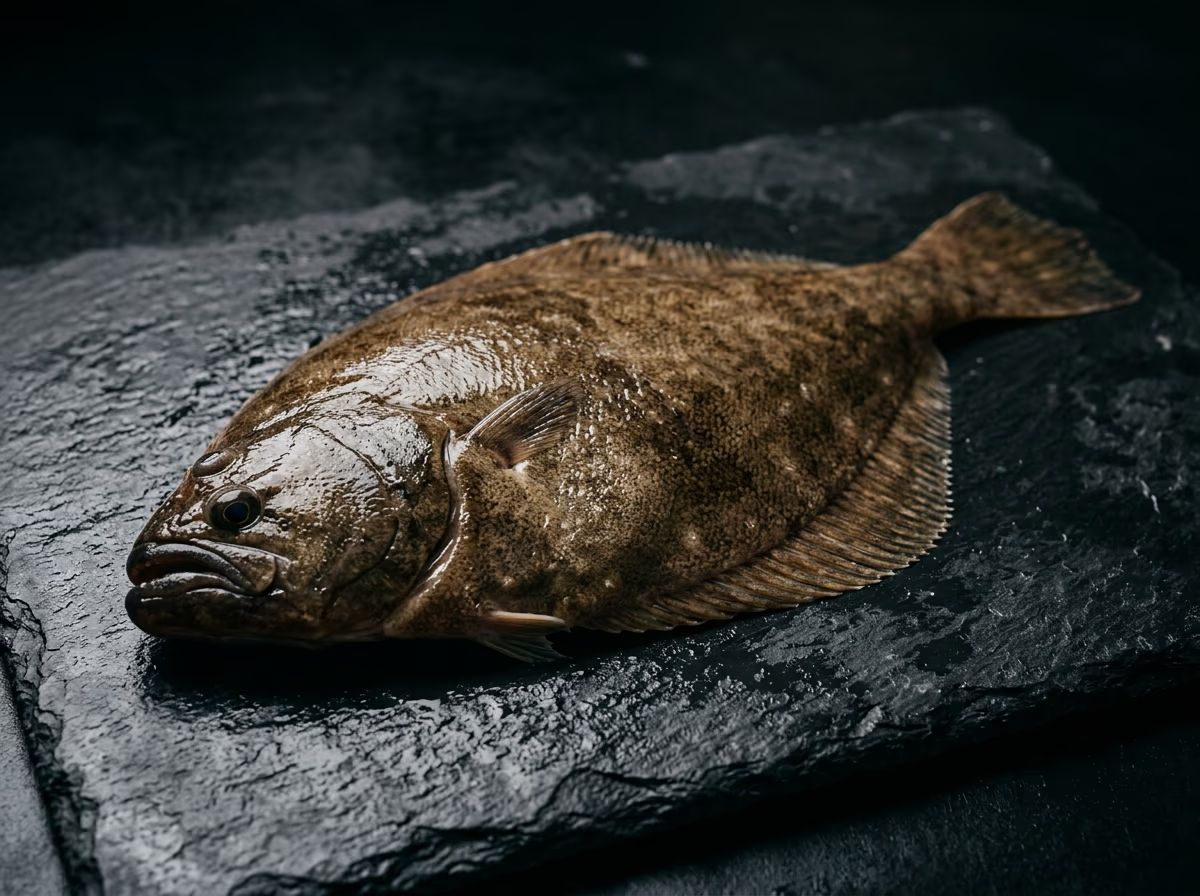
3 reasons this fish is special here
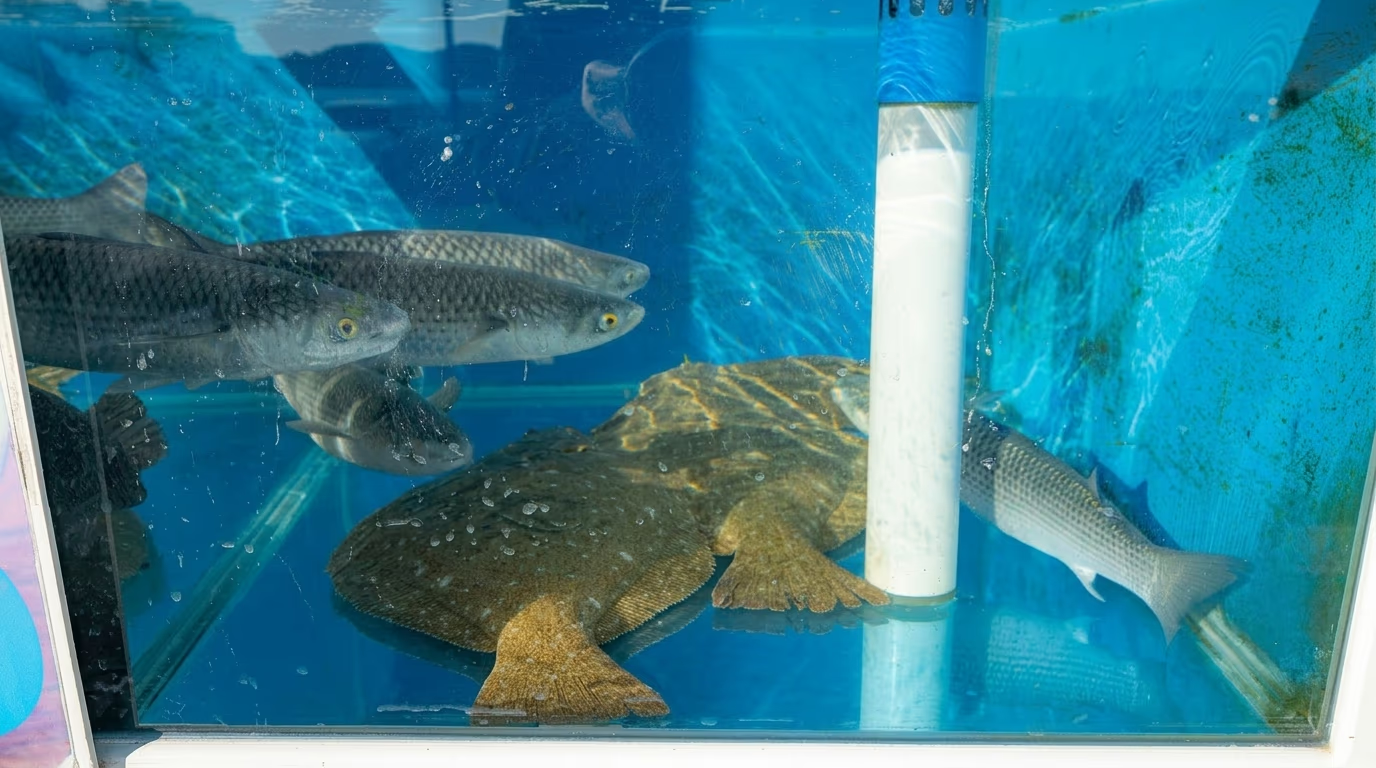
Hand-selected one by one
Every morning, live fish arrive and are inspected by eye and by hand. Only those with clear eyes, firm flesh, and lively fins make the cut. Anything below standard gets sent back immediately!
Prepared to order from the tank
Nothing is pre-sliced here. When you order, the fish is pulled straight from the live tank and prepared on the spot. That’s why the texture stays so springy and firm!
Chosen by a 51-year veteran
The restaurant’s haenyeo (female diver) mother has been diving for 51 years. She can tell quality by touch alone — whether the eyes are clear, whether the fins have strength. Only fish that pass her inspection make it to your table!

How to spot a great fish — A veteran’s secrets
Here’s what our veteran diver checks every morning when selecting fish from the tank. Keep these tips in mind next time you visit a sashimi restaurant!
“Clear eyes, strong fins, and a belly that springs right back when you press it. That’s the best fish of the day.”
— Yeonhwa-ri Main Branch Grandmother (51 years of diving)
Check the eyes
A fish’s eyes are like a traffic light for its health. Clear = green light, cloudy = red light!
Check the fins
Fish with lively fins have springy flesh too. Think of it like checking someone’s arm muscles!
Check the color
A healthy fish has vivid coloring, just like how a healthy person has a bright complexion!
Press the belly (experts only!)
A firm belly means fat is well-distributed and the flesh is healthy. Nov–Feb premium fish have incredibly taut bellies!
“In the dead of winter, this fish glistens with oil. Pick it up with chopsticks and it bends ever so slightly under its own weight. Place it on your tongue and it melts away.”
— Yeonhwa-ri Main BranchFlatfish Sashimi 12-Month Seasonal Calendar
This fish is delicious all 12 months of the year! But the flavor profile changes with each season. In the cold months, fat content soars and you get a rich, melt-in-mouth umami. In spring, it’s clean and light. Summer brings a softer, gentler taste. And in autumn, richness slowly builds. No matter when you visit, you’ll experience something unique and wonderful!
Let’s explore each month!
Fat content peaks this month! Each slice practically melts on your tongue with deep, luxurious flavor.
Cold waters keep the flesh firm yet deeply savory. A wonderfully full-bodied experience.
Spring breezes bring a lighter, cleaner taste. Great for those who prefer a delicate bite.
A distinctly refreshing spring flavor! Dip in chojang (vinegar-pepper sauce) for the perfect combo.
The flesh softens, making it perfect for beginners. Try it with a spicy maeuntang (fish stew)!
A lovely smooth texture! Try it grilled or in a maeuntang for a different take on this fish.
Fresh summer ocean flavor. Pairs beautifully with seafood porridge or grilled shellfish.
The flesh starts plumping up again. You can feel the first hints of autumn richness.
Autumn winds bring a growing luster. The lingering aftertaste gets more and more appealing.
Fat is building fast! Nearly as superb as deep winter. A wonderful time to visit.
Cold season begins! Generous flesh delivers a lingering, deeply satisfying flavor.
Perfect for year-end gatherings! The deepest, most indulgent sashimi of the entire year.
Why winter flatfish is the ultimate — The science behind it
Olive flounder are ectothermic (cold-blooded) — meaning their body temperature changes with the surrounding water. Frogs and lizards are ectothermic too! When winter winds blow and water temperatures drop to 8–12°C, the fish stores lots of fat to survive the cold.
That fat is exactly what makes the sashimi so incredibly flavorful! According to NIFS research, fat content from November to February is roughly twice as high as in summer.
On top of that, the smaller fish that flatfish feed on are also fattier in cold months. Better feed means better sashimi — it’s a beautiful cycle of nature!
In summer, the fish spawns and the flesh becomes softer — but that has its own appeal. The tender texture is great for beginners, and if you have it as maeuntang (spicy fish stew) or grilled, the broth from the bones is absolutely wonderful!
The bottom line? This fish is excellent year-round, but November through February is the "golden season" when the rich, luxurious depth of flavor reaches its absolute peak!
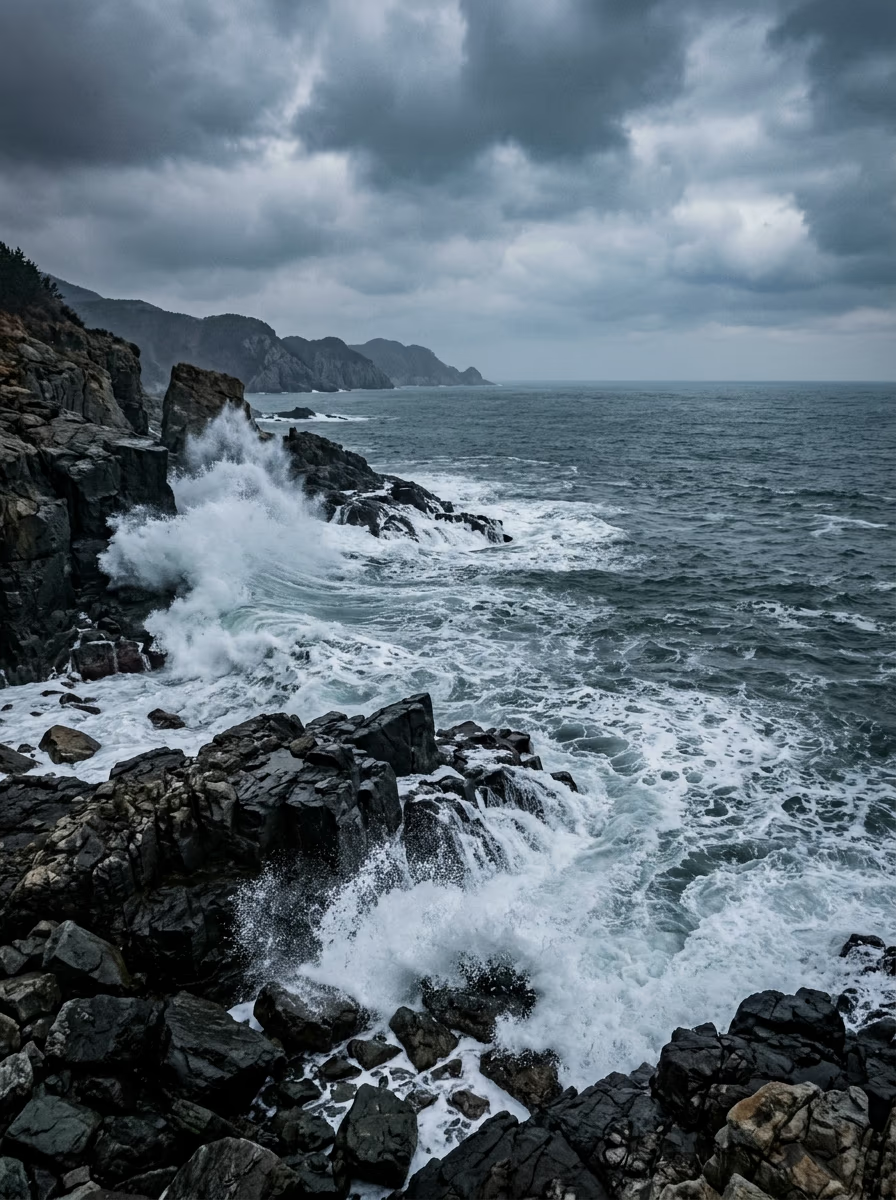
Peak fat content! Thick, springy flesh that melts on your tongue with the deepest, most luxurious flavor.
Clean and refreshing flavor. In autumn, oils gradually build, adding more depth with each passing week!
Soft and gentle flavor. Try it grilled, as maeuntang (spicy stew), or with seafood porridge for a different experience!
How to enjoy flatfish sashimi — Each cut tastes different!
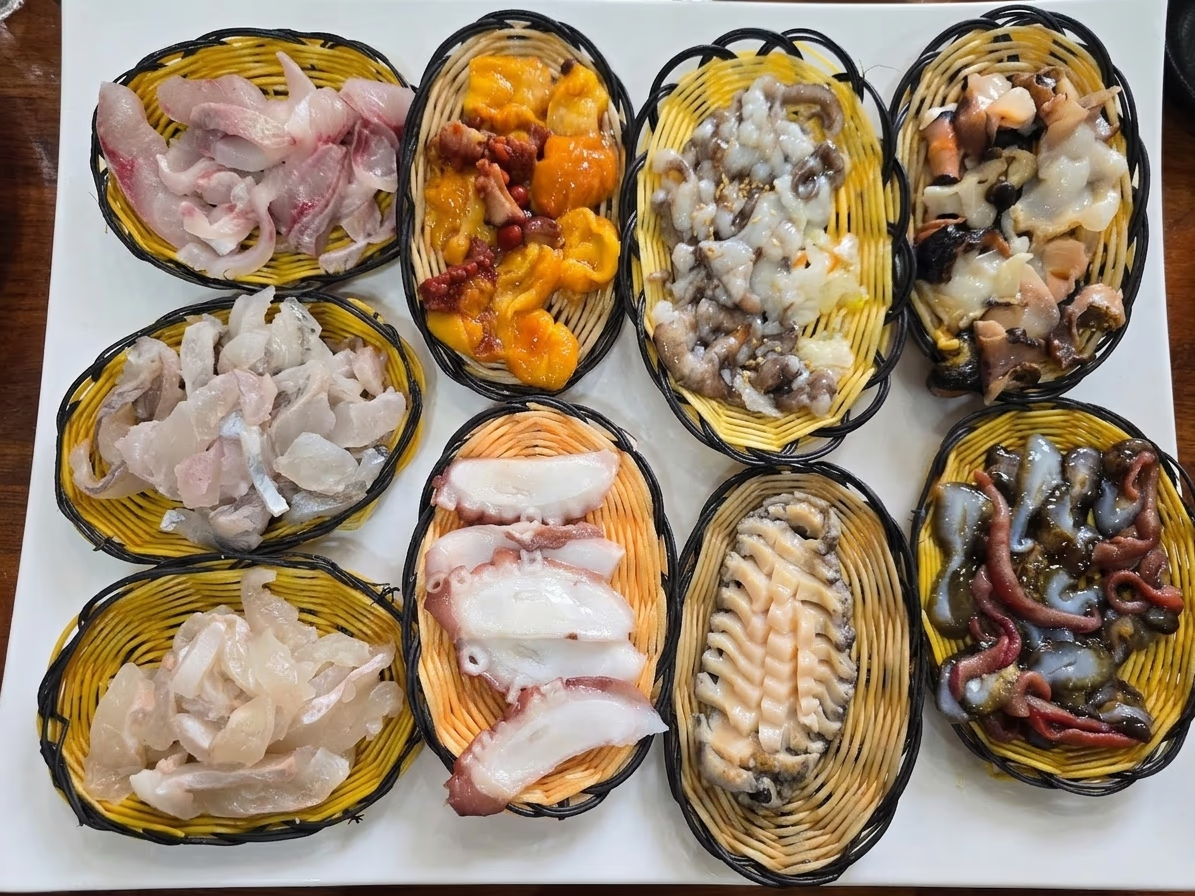
Surprisingly, different parts of the same fish taste completely different. It’s like how chicken drumsticks, wings, and breast all have distinct flavors! Knowing each cut makes the sashimi experience twice as enjoyable.
Deungsal (Back meat)
The purest expression of the fish’s flavor. It’s light and not greasy at all, with a subtle sweetness that builds as you chew. If you’re trying sashimi for the first time, start here!
Baesal (Belly meat)
The most popular cut! Rich in fat, it practically dissolves on your tongue. Winter belly meat is absolutely heavenly. Try it with just a tiny sprinkle of sea salt to bring out the natural sweetness!
Engawa (Fin meat)
The prized strip of muscle along the dorsal fin — only a small amount comes from each fish, making it a rare treat! The satisfying chewiness is genuinely addictive. It’s also packed with collagen, which is great for your skin.
Kkorisal (Tail meat)
The tail is the hardest-working part of the fish when it swims, so this muscle is the most developed. That means the best chewing experience! The longer you chew, the more a deep savory flavor unfolds.

“A cold slice of sashimi, then a sizzling bite of grilled shellfish. When these two meet, you\u2019ve found the true taste of Yeonhwa-ri.”
— Yeonhwa-ri Main BranchFlatfish sashimi + Jeonbok-gui (grilled abalone)
Why is this pairing so amazing?
Locals who know their seafood always order grilled shellfish alongside their sashimi. It’s not just because both are tasty — there’s a secret that makes the flavors multiply when you eat them together!
Gwangeo-hoe (Flatfish sashimi)
- Temperature — Ice-cold! Served on a bed of ice
- Texture — Springy and firm. Wonderfully chewy!
- Taste — Clean and refreshing. You can eat slice after slice without getting tired of it
- Dipping — Chojang, soy sauce + wasabi, or sesame oil + salt all work beautifully
- Health — High in protein, low in fat — a healthy choice
Jeonbok-gui (Grilled abalone)
- Temperature — Piping hot! Grilled right on the charcoal fire
- Texture — Tender and chewy. The ocean aroma builds with every bite
- Taste — Savory and rich. Add a pat of butter and it’s absolutely heavenly!
- Serving — Butter-soy sauce grilled or simply salt-grilled — both are incredible
- Health — Rich in taurine (good for eyes) and beneficial for liver health
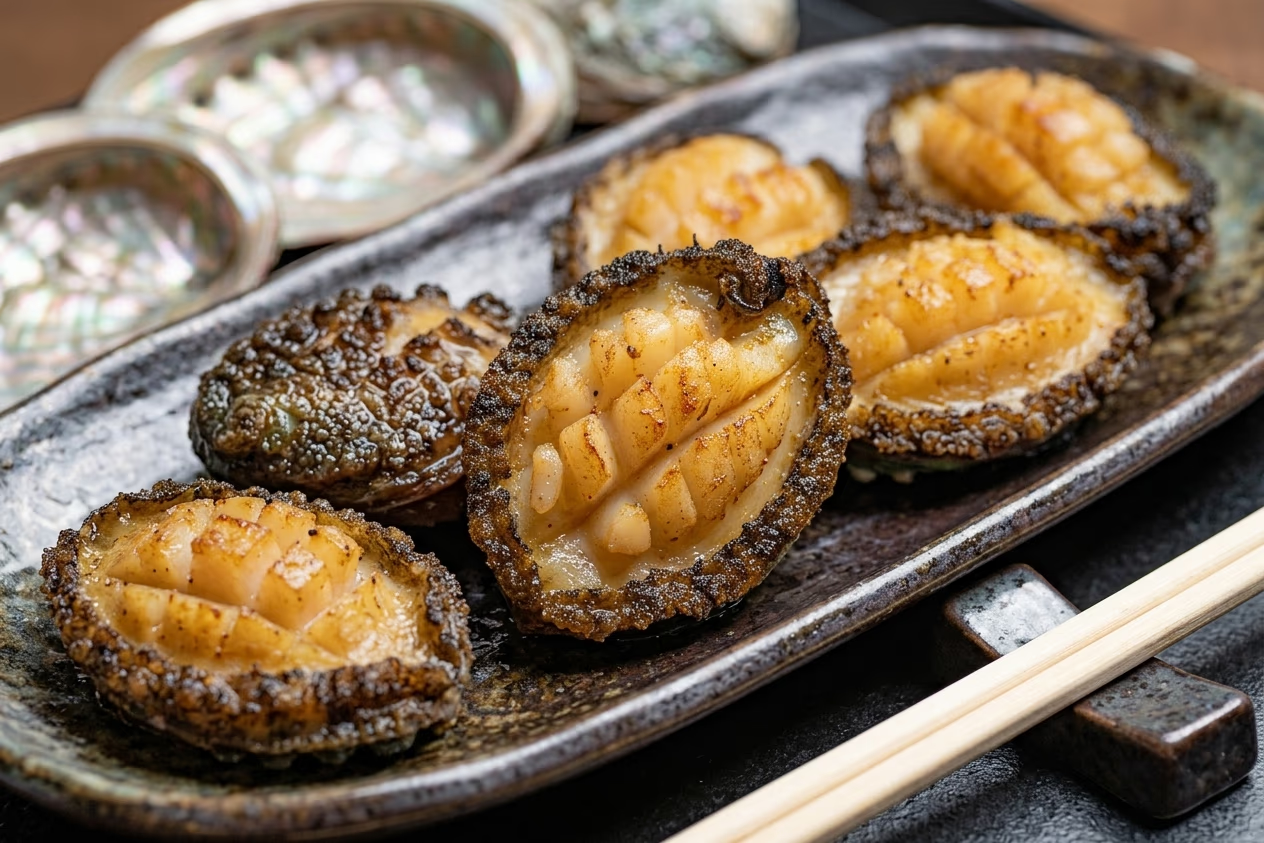
3 reasons they’re better together
It’s not just because both are delicious. There’s real science behind it!
Cold + Hot
When you alternate between cold sashimi and sizzling grilled shellfish, your taste buds get a pleasant little shock that makes flavors register more intensely. It’s like having ice cream and then a warm drink — both taste even better!
Springy + Chewy
Sashimi is firm and springy; grilled shellfish is tender and bouncy. Two completely different textures that keep every bite interesting. It’s like a texture adventure for your mouth!
Light + Bold
Sashimi is clean and delicate. After a few slices, you crave something richer — that’s when the savory, buttery shellfish delivers perfectly. And after the bold flavor, a fresh slice of sashimi resets your palate beautifully.
🍽️ Try eating in this order!
Start with deungsal (back meat) — The cleanest cut to wake up your palate
Salt-grilled shellfish — A hot, savory bite for a change of pace!
Baesal (belly meat) — Savor the rich, lingering depth of this prized cut
Butter-soy grilled abalone — The nutty butter takes it to another level
Finish with engawa (fin meat) — End on a high note with its addictive chewiness!
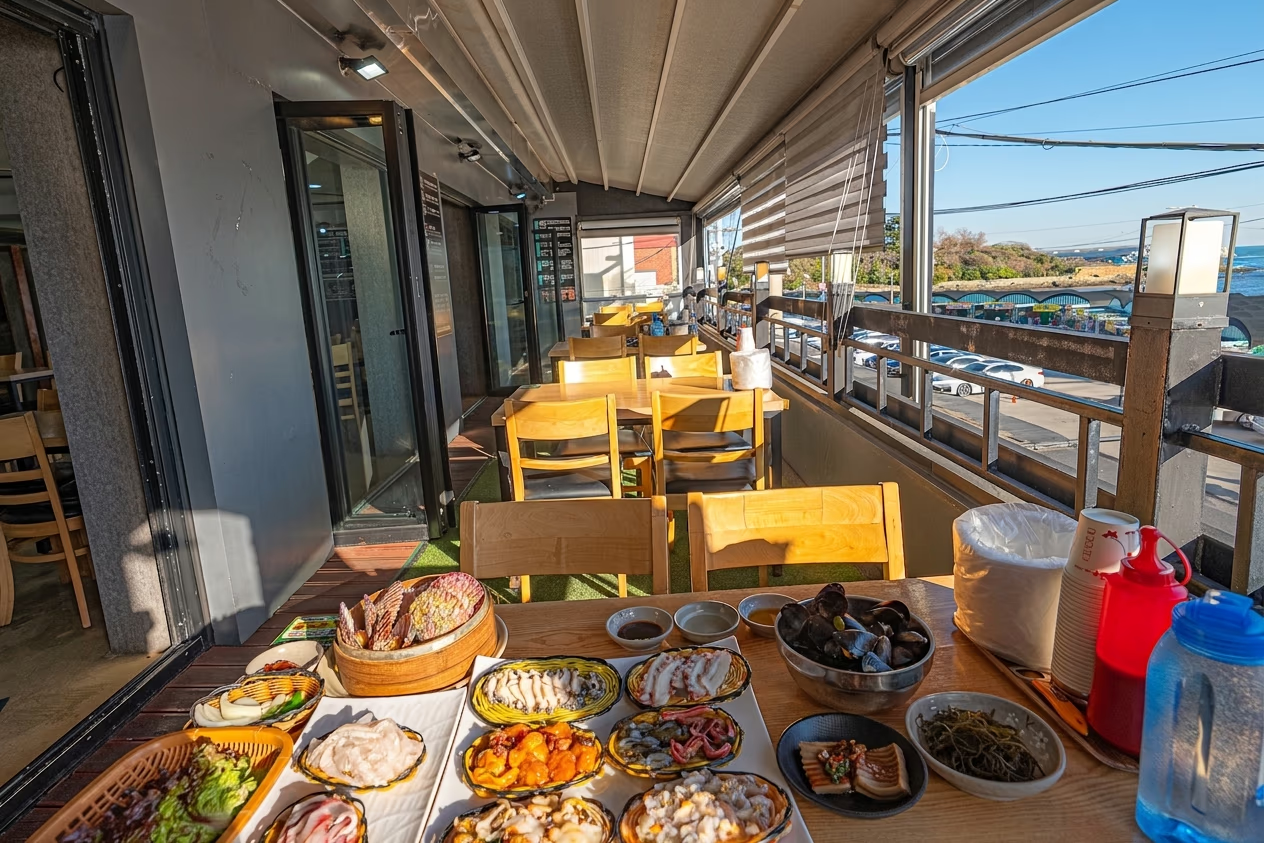
Enjoy the freshest sashimi at Yeonhwa-ri Main Branch
Jang-ssi Haenyeo-jip Yeonhwa-ri Main Branch is run by a veteran haenyeo (female diver) grandmother and her son. What sets it apart from other sashimi restaurants is that a professional diver with decades of experience personally manages the live fish tanks!
Every morning, the grandmother inspects each fish one by one. "This one is in great shape today. That one will be better tomorrow." Only the fish in peak condition that day make it onto the serving plate. 51 years of experience gives her an incredibly sharp eye!
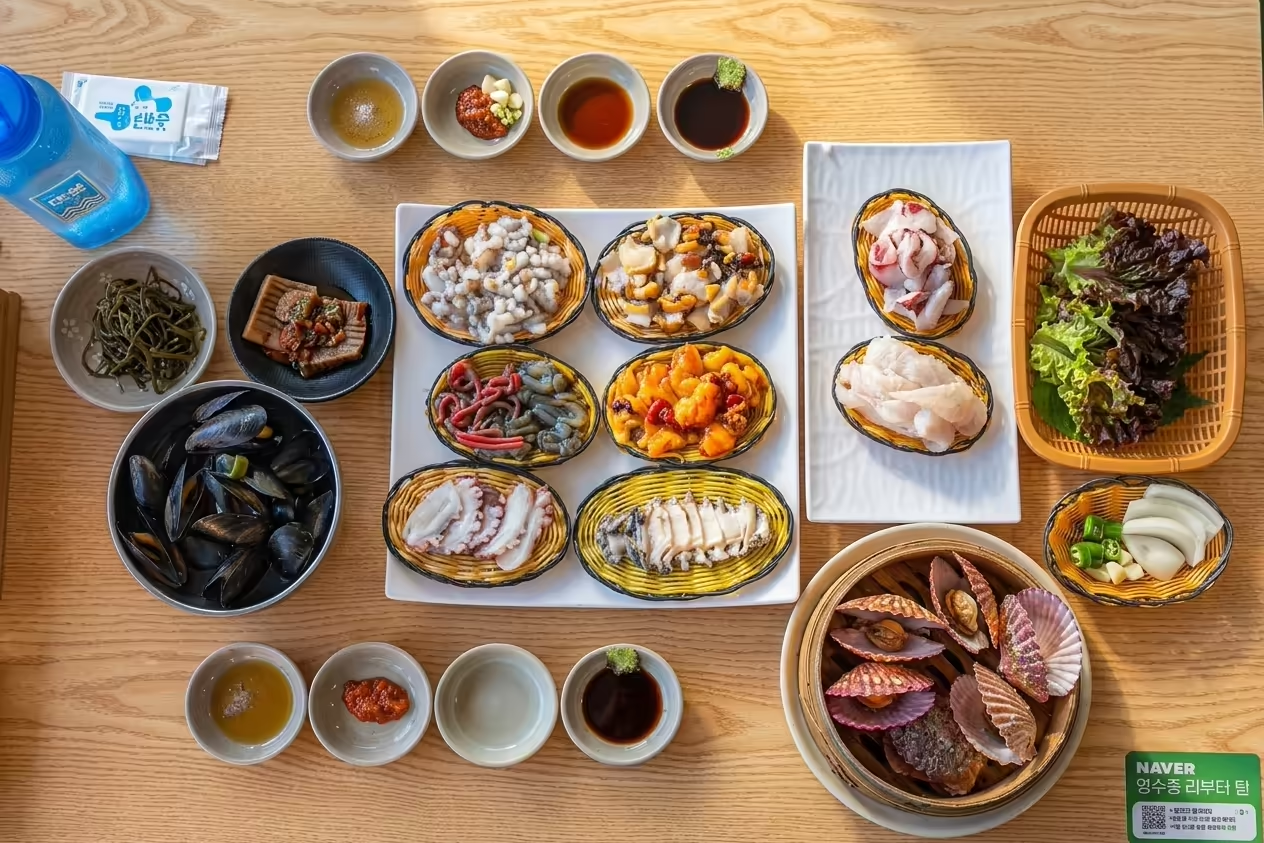
When you order, the fish comes straight from the tank and is prepared right away, so freshness goes without saying. The sashimi is served separated by cut, so you can compare the flavors of deungsal (back), baesal (belly), and engawa (fin meat) side by side!
The grilled abalone is also hand-selected by the grandmother. Place it on the charcoal fire, add a pat of butter, and the salty juices from inside the shell meet the butter to create the most incredible aroma!
For English-speaking visitors: English menus are available on request. The staff can help you navigate the menu and explain each dish. All major credit cards are accepted (Visa, Mastercard, JCB, UnionPay, etc.).
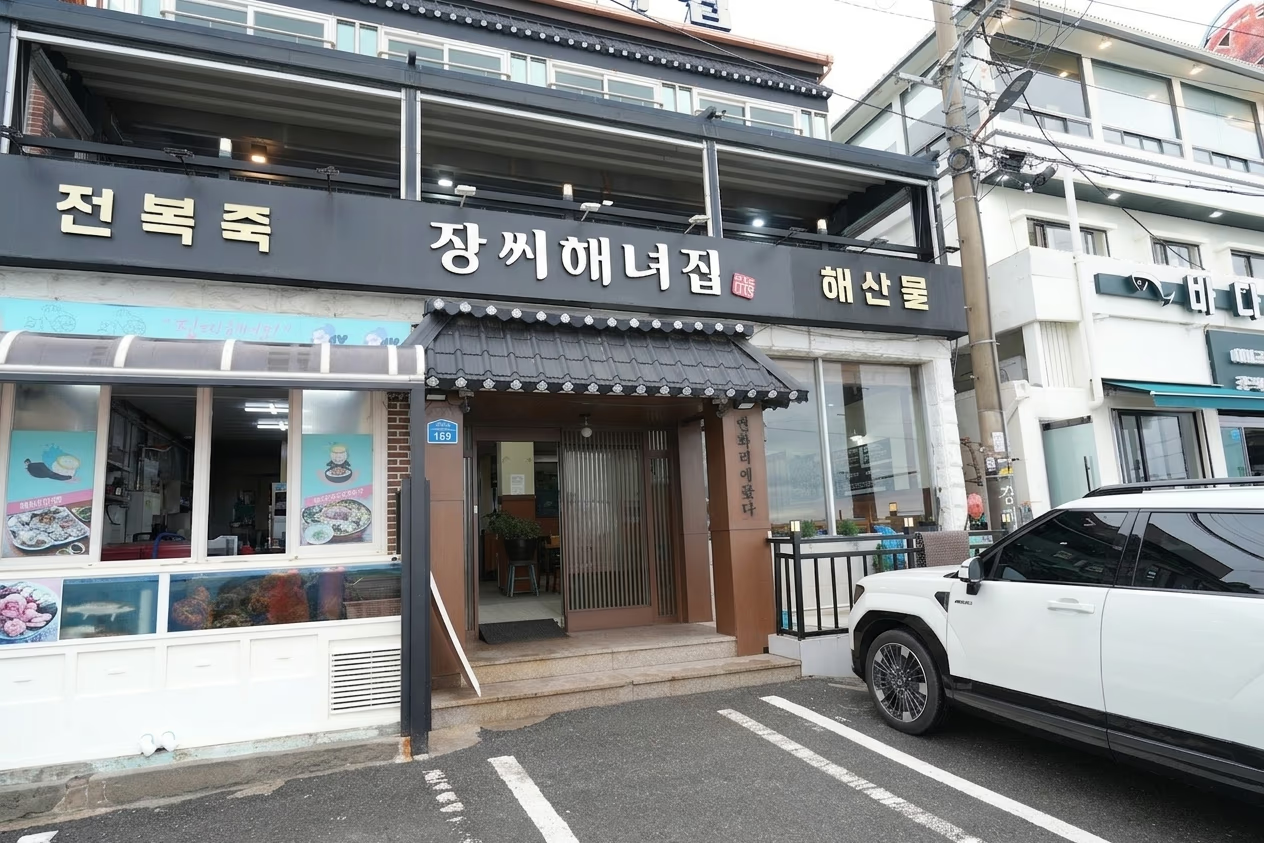
At a glance
169 Yeonhwa 1-gil, Gijang-eup, Gijang-gun, Busan
Inside Yeonhwa-ri fishing village
Daily 09:00 – 21:00
Closed only on Lunar New Year & Chuseok Day
+82-51-721-2424
Recommended on weekends. English-speaking assistance available
Free parking for 250 cars
Spacious lot — no need to worry!
1F hall · 2F hall + ocean-view terrace
Enjoy your meal with a sea view from the 2F terrace
Visa, Mastercard, JCB, cash, Naver Pay
All major international cards accepted
Frequently Asked Questions
Q. When is the best time to eat flatfish sashimi?+
November through February is peak season! Water temperatures drop and the fish stores lots of fat, making the flesh thick and deeply flavorful. December and January are the absolute best months!
Q. Can I still enjoy sashimi in summer?+
Absolutely! In summer, the flesh becomes softer and has a different kind of charm. It’s wonderful as sashimi, and especially great in maeuntang (spicy fish stew) or grilled. The restaurant carefully maintains its tanks year-round, so the fish is always excellent!
Q. What does "live fish" mean?+
It means the fish is kept alive and swimming in a tank until the moment you order. Then it’s taken out and prepared right away. That’s why the texture is so incredibly fresh and springy!
Q. Why is sashimi + grilled shellfish such a great combo?+
Alternating between cold sashimi and hot grilled shellfish gives your taste buds a pleasant surprise, making flavors taste more vivid. The contrast of springy sashimi and chewy grilled shellfish keeps every bite exciting. Light, clean flavors and bold, savory ones complement each other perfectly!
Q. Do I need a reservation?+
On weekdays, walk-ins are usually fine. But on weekends and holidays, it can get quite busy, so calling ahead is recommended. You can reach us at +82-51-721-2424. Reservations are especially important during peak season (Nov–Feb)!
Q. Is it family-friendly? Can I bring children?+
Of course! There are comfortable room-style seating options for families, and softer dishes like seafood porridge and maeuntang (fish stew) are available for young children. It’s a place the whole family can enjoy!
Q. How much does it cost?+
There are no hidden “market price” surprises! All menu prices are listed on Naver Place and Google Maps, so you can check before you visit.
Q. Is there parking?+
Yes! There’s a free parking lot with space for 250 cars. It’s very spacious, so even on weekends you won’t have trouble finding a spot.
Q. Is it safe to eat raw fish?+
At Jang-ssi Haenyeo-jip, absolutely. Every fish is kept alive in a clean, temperature-controlled tank and only prepared at the moment you order. The 51-year veteran inspects each fish for health before it’s served. Korean sashimi restaurants follow strict food safety standards, and this restaurant’s live-preparation approach ensures maximum freshness. If you have any concerns, the staff will be happy to explain the process!
Q. Can English-speaking visitors navigate the menu easily?+
Yes! English menus are available on request, and the staff can help explain dishes and recommend the best options for your taste. Major international credit cards (Visa, Mastercard, JCB, UnionPay) are all accepted, so payment is hassle-free.
This winter, see you in Yeonhwa-ri!
Sashimi hand-selected by a veteran diver,
paired with abalone sizzling on the charcoal grill.
Come experience the true taste of this coastline!
This guide was reviewed by the haenyeo (female diver) mother who has been diving off Gijang’s coast for 51 years, and her son who co-runs the restaurant. Seasonal data references the National Institute of Fisheries Science (NIFS) seasonal quality surveys. Selection methods, preparation techniques, and pairing tips come from hands-on experience handling tens of thousands of fish. Pricing and operating information is current as of April 2026 — please call +82-51-721-2424 to confirm before visiting!
