Bada Hana vs Bada Dul
Which Course Fits Your Table?
Gijang · Yeonhwa-ri · Jangssi Haenyeo-jip Signature Comparison
A tidy ₩55,000 table and a generous ₩66,000 table. Behind the ₩11,000 gap sit decisive differences in composition, portion and mood, all unpacked here by party size, budget and preference.
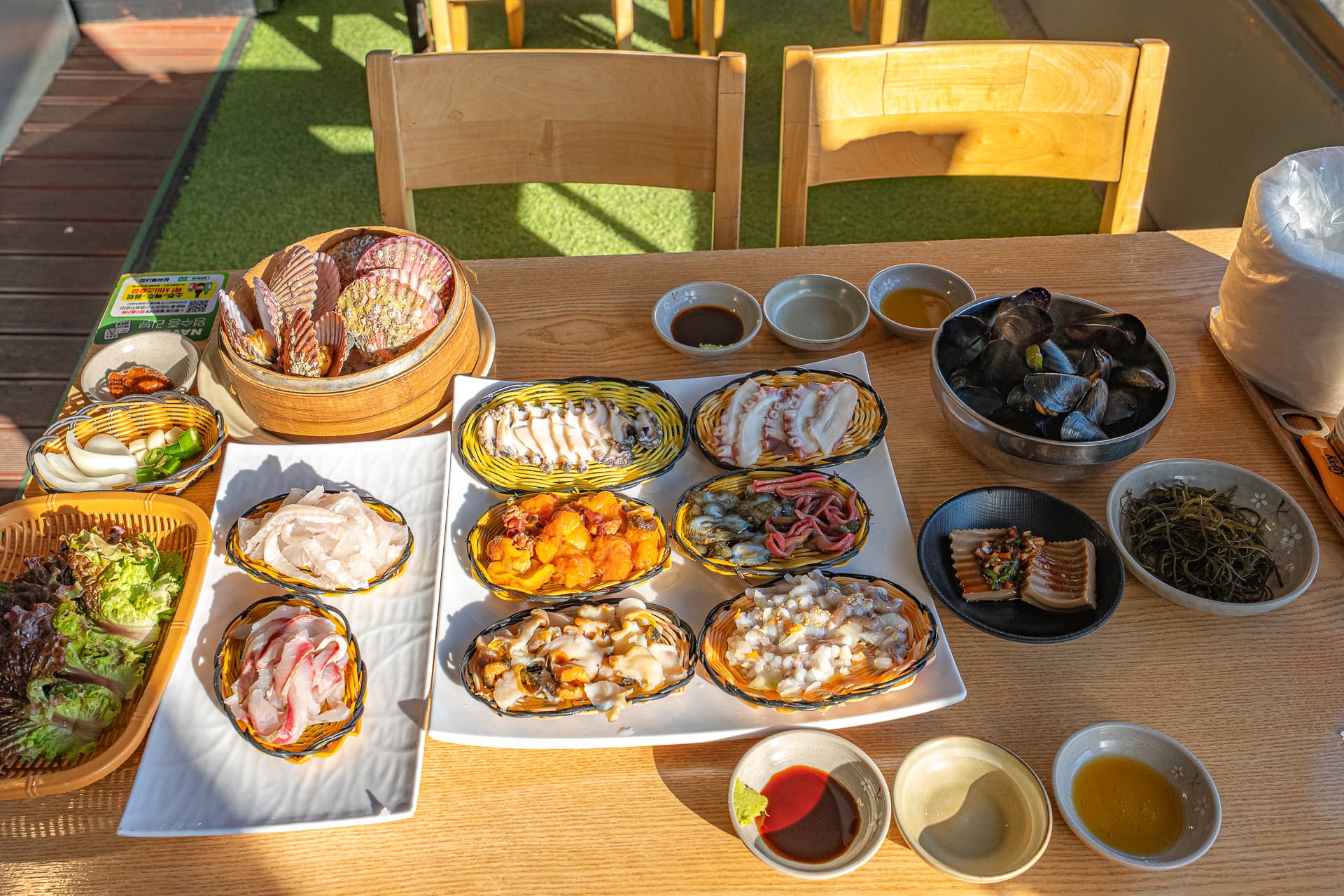
The single most common question from first-time guests at Jangssi Haenyeo-jip is this: "What is the difference between Bada Hana (Sea One) and Bada Dul (Sea Two)?" The names suggest just a size step, but once the plates land on the table, the expressions are visibly different.
Both tables are built on the same ingredients, all approved by the 51-year working haenyeo mother. What changes is composition and portion, which is why party size, budget and the mood you want for the day determine the right answer. This guide lines them up side by side.
Bada Hana vs Bada Dul: Core Comparison Table
| Item | Bada Hana | Bada Dul |
|---|---|---|
| Price | ₩55,000 | ₩66,000 |
| Composition keyword | Flatfish + seafood set | 7 sashimi + 2 mak-hoe |
| Best party size | 2 guests | 2 to 3 guests |
| Sashimi lineup | Flatfish-centered | Abalone, sea pineapple, sea cucumber, spoon worm, blanched octopus, live octopus, conch + flatfish & milchi |
| Mood | Tidy, clean table | Generous, varied table |
| As a drinking spread | Light, a glass or two | Long, slow, leisurely |
| With children | Soft flatfish-led, very comfortable | A varied texture experience |
| Best side-menu pairing | Cast-iron abalone porridge, abalone butter sauté | Cast-iron abalone porridge, Haenyeo Set |
Inside a ₩11,000 gap, both the sashimi count and the personality of the table shift dramatically. It is not just a portion bump; the breadth of the experience itself changes.
Bada Hana ₩55,000: When You Want a Composed, Tidy Table
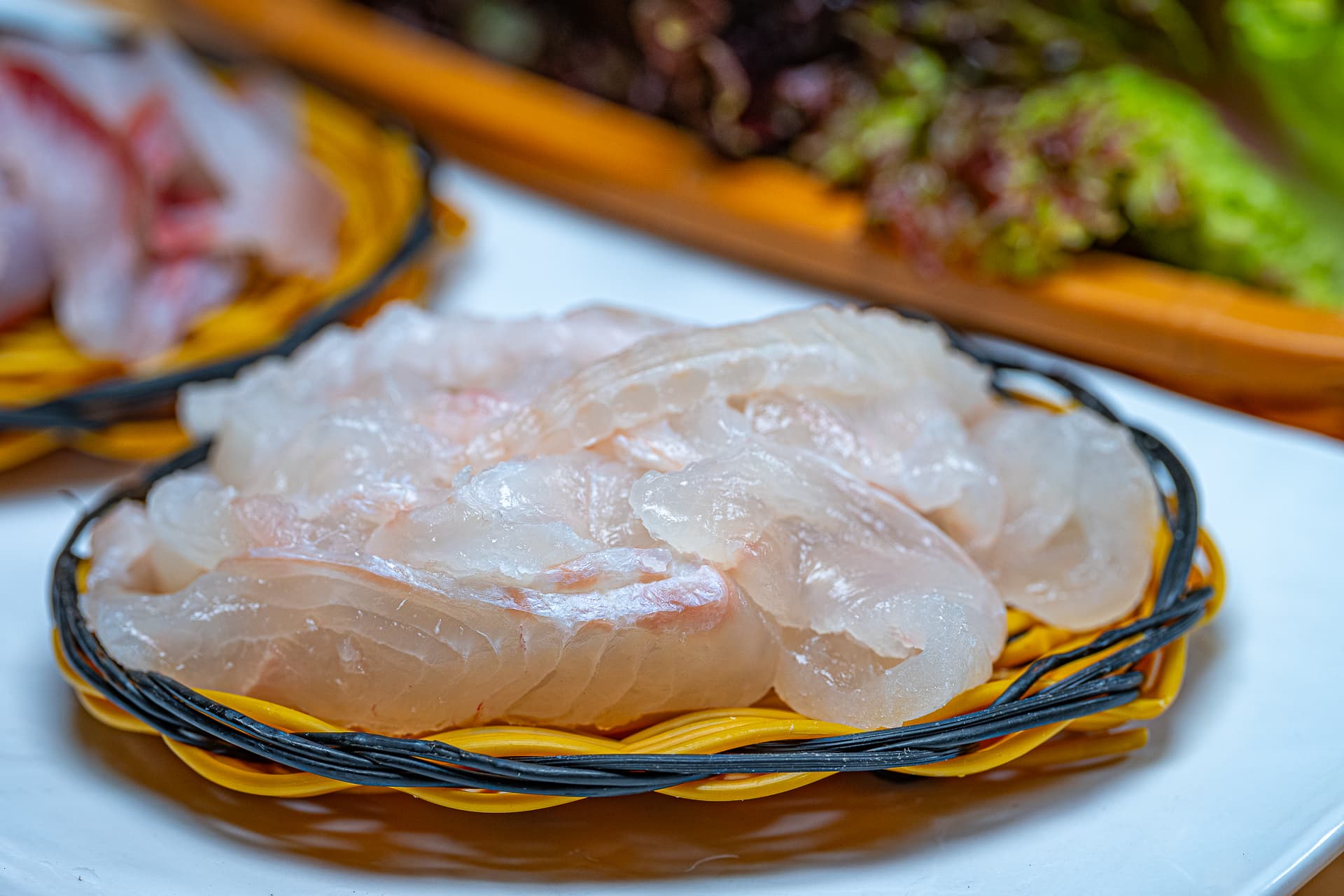
Just as the name "hana" (one) suggests, this is a table that collects the essentials with a clean hand. Soft, gently sweet flatfish takes the lead, with carefully selected seafood arranged alongside to round it out. Perfect for first-time guests who might find a long lineup intimidating, or couples who simply want a light sashimi moment.
Bada Hana is the right call when
- You are on a 2-person date or small meet-up and want a comfortable price
- You are new to sashimi and want a flatfish-led, easy entry
- You want a light lunch table and plan to walk the coast afterward
- You want headroom to add a cast-iron abalone porridge or butter sauté later
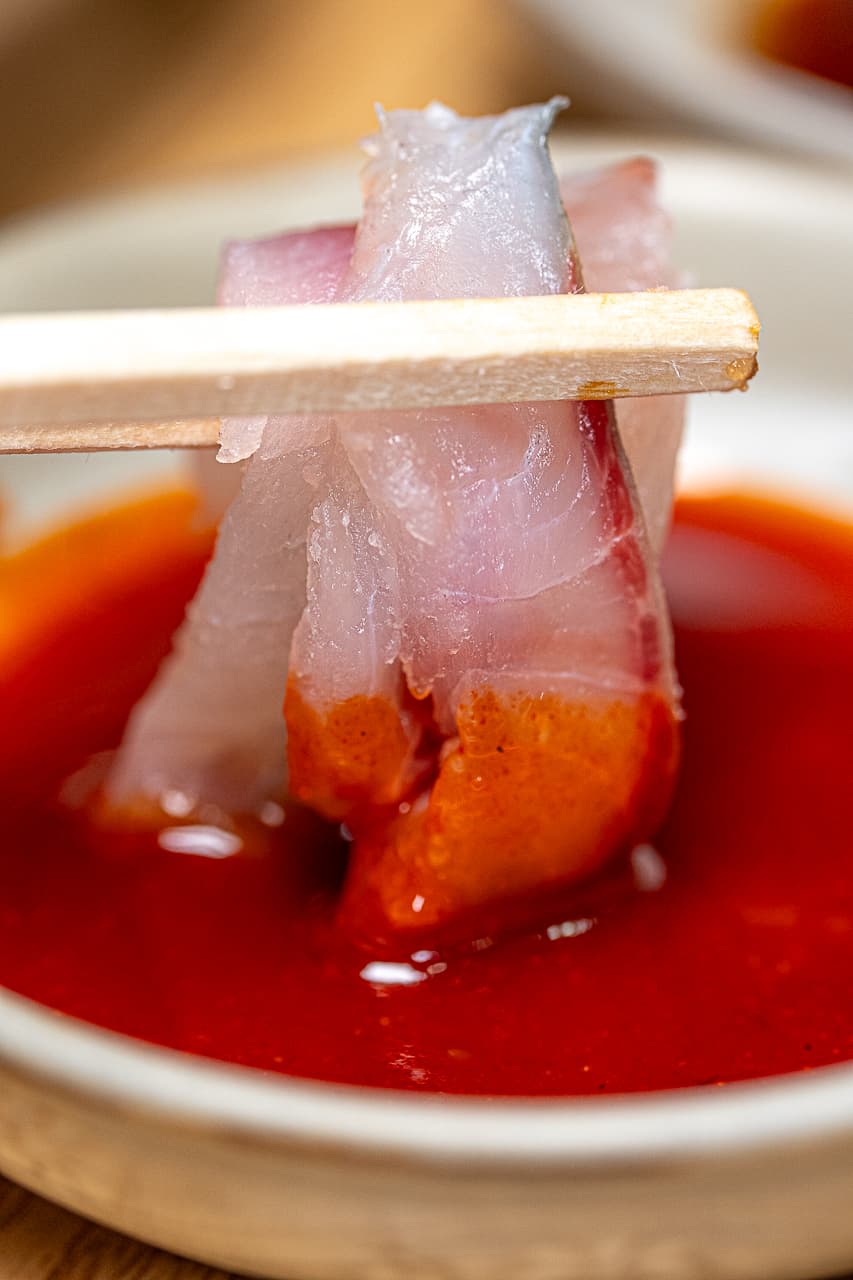
For international guests who are still getting used to sashimi or families dining with children, Bada Hana is the safer first recommendation. With flatfish at the center, the texture is soft and the flavor is familiar, lowering the threshold for a first visit considerably.
Bada Dul ₩66,000: When You Want to Open Up the Whole World of Sashimi
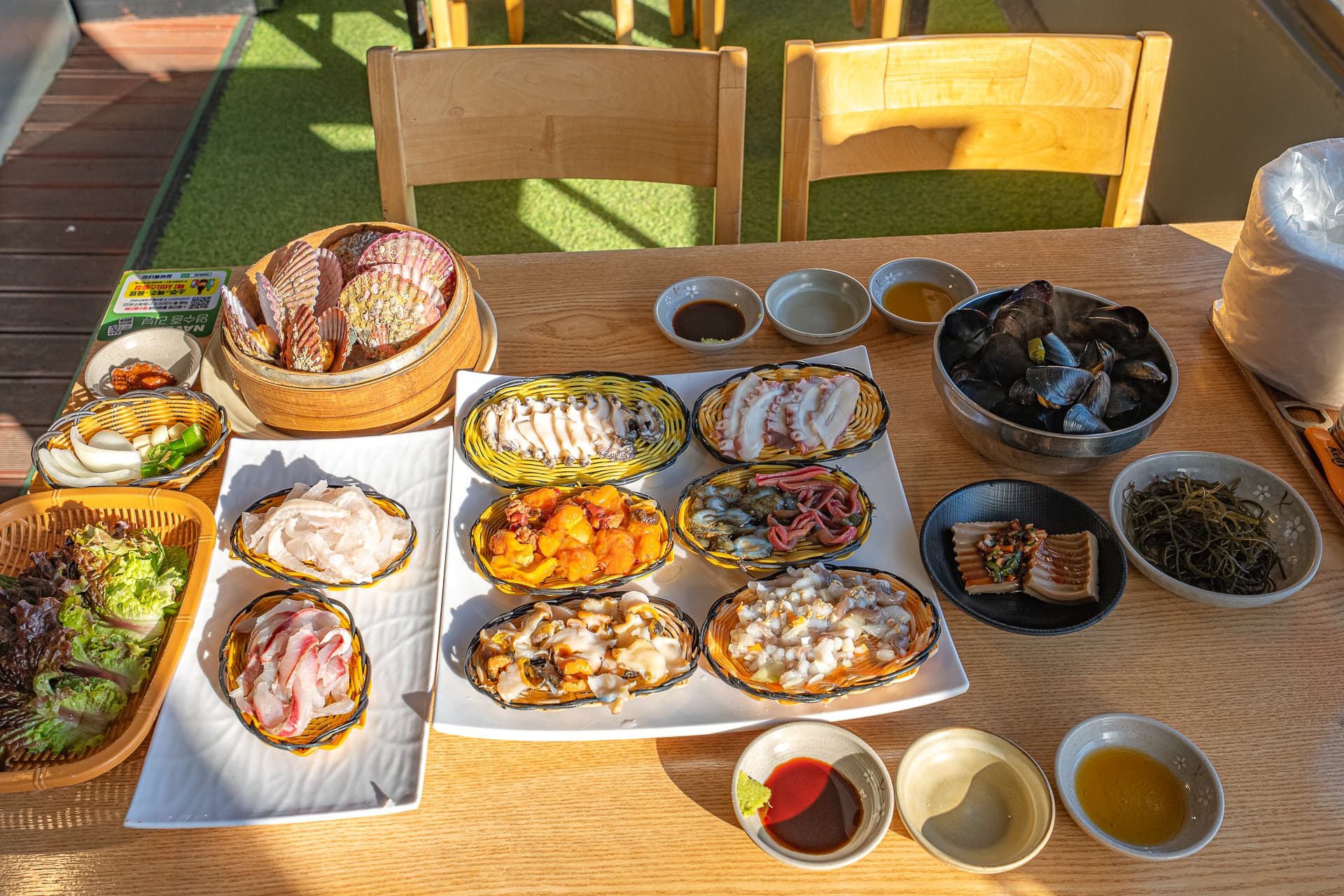
The name "dul" (two) comes from the idea that two guests can empty an entire sea-themed table together at the right pace. Abalone, sea pineapple, sea cucumber, spoon worm, blanched octopus, live octopus, conch as seven sashimi varieties, plus flatfish and longfin mullet (milchi) as two mak-hoe, the full lineup of Korea's sashimi culture in a single sitting.
Bada Dul is the right call when
- You are 2 to 3 guests who want to explore a wide sashimi range
- You plan to sit long and slow with drinks
- You are an international guest who wants Korean sashimi culture on one table
- You want to try the more distinctive cuts like sea pineapple, spoon worm and live octopus
- You came all the way to Gijang and want the full table experience
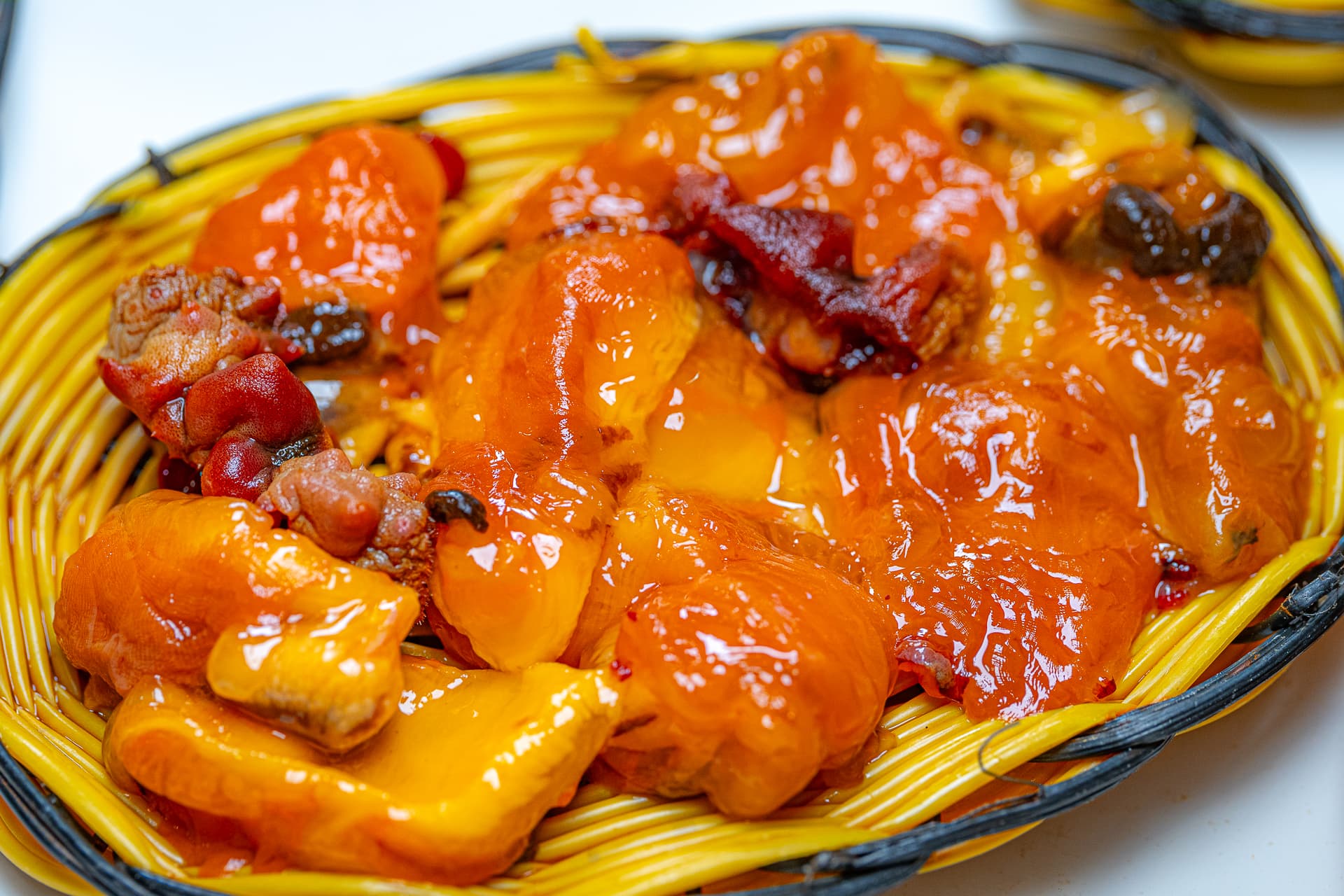
If Bada Hana is "a comfortable introduction," Bada Dul is closer to "a small adventure that unfolds on a single table." Starting with flatfish, passing through the sweetness of abalone, meeting the deep aroma of sea pineapple, then being startled by the spring of live octopus, every slice rewrites its expression.
Nine Real-World Cases by Party Size, Budget and Preference
"What should we order for our situation?" The question we hear most often, sorted into nine real-world cases.
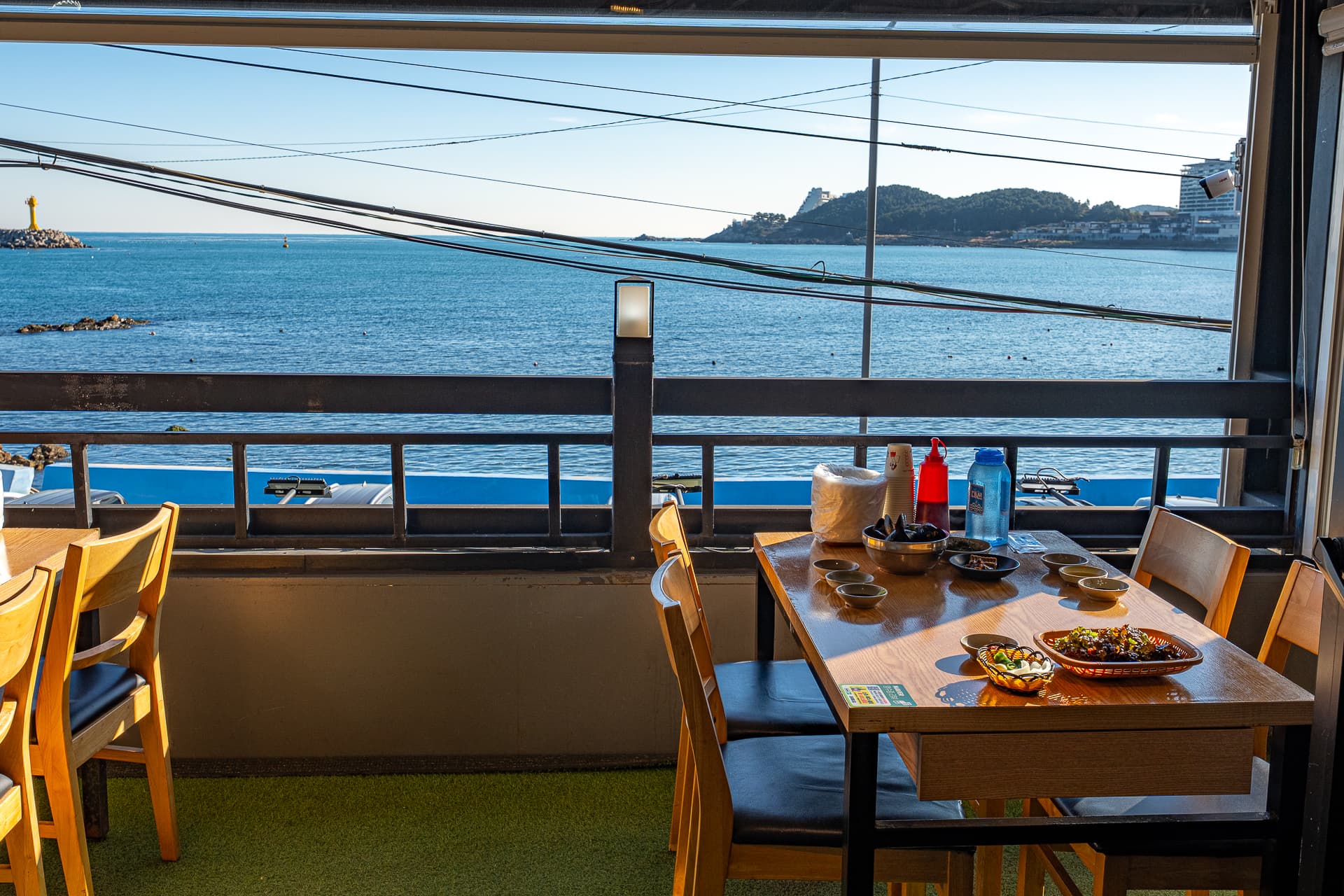
CASE 1
2 guests, light and atmospheric date
Recommended: Bada Hana (₩55,000)
The flatfish-led, tidy composition leaves space for conversation. Adding a cast-iron abalone porridge (₩12,000 per person) at the end rounds the meal off comfortably.
Estimated total: ₩79,000 (2 guests)
CASE 2
2 guests, sashimi exploration mode
Recommended: Bada Dul (₩66,000)
With nine kinds shared one slice at a time, this is exactly the right amount for two to finish slowly. A bottle of cheongha is the perfect partner.
Estimated total: ₩66,000 + drinks
CASE 3
3 friends, generous food, generous talk
Recommended: Bada Dul + 2-person cast-iron abalone porridge
Three guests share the sashimi and finish with warm porridge. The combination that earns a quiet "that hit the spot."
Estimated total: ₩90,000 (3 guests)
CASE 4
4-person family meal, kids and adults both happy
Recommended: Bada Hana + Bada Dul
Kids lean into the soft flatfish on the Bada Hana side, adults explore the Bada Dul lineup. Add an abalone butter sauté (₩32,000) and the kids cheer.
Estimated total: ₩121,000 to ₩153,000 (4 guests)
CASE 5
4 to 5 guests, fill the table
Recommended: Bada Set (₩77,000) or 2x Bada Dul
Bada Set is the most generous course, adding steamed shellfish. Two Bada Duls give you a panorama of 18 sashimi slices on one table.
Estimated total: ₩77,000 to ₩132,000
CASE 6
6+ extended family, full-course celebration
Recommended: Bada Dul x2 + Abalone Butter Sauté + Cast-iron Abalone Porridge
Sashimi, sauté and porridge in one well-rounded full course. From grandmother to grandchild, everyone finds a plate that fits their taste.
Estimated total: ₩188,000+ (6 guests)
CASE 7
Drinking as the main event, sit long and slow
Recommended: Bada Dul + Abalone Butter Sauté (₩32,000)
Nine sashimi slices plus a butter-rich abalone sauté. Whether you order cheongha, soju or beer, the table keeps offering more.
Estimated total: ₩98,000 (2 to 3 guests)
CASE 8
Budget-friendly, an easy taste of Gijang sashimi
Recommended: Bada Hana (₩55,000) alone
Flatfish and the seafood set alone are enough to leave with that "we ate real sashimi in Gijang" feeling. Roughly ₩27,500 per person for two.
Estimated total: ₩55,000 (2 guests)
CASE 9
Special occasion, full-course showcase
Recommended: Bada Dul + Haenyeo Set (₩35,000) + Abalone Butter Sauté
Signature sashimi, seaweed bibimbap, hand-cut noodles and abalone sauté in one. A full lineup that suits birthdays, anniversaries or proposals.
Estimated total: ₩133,000 (2 to 3 guests)
The Full Map: Three Courses Including Bada Set
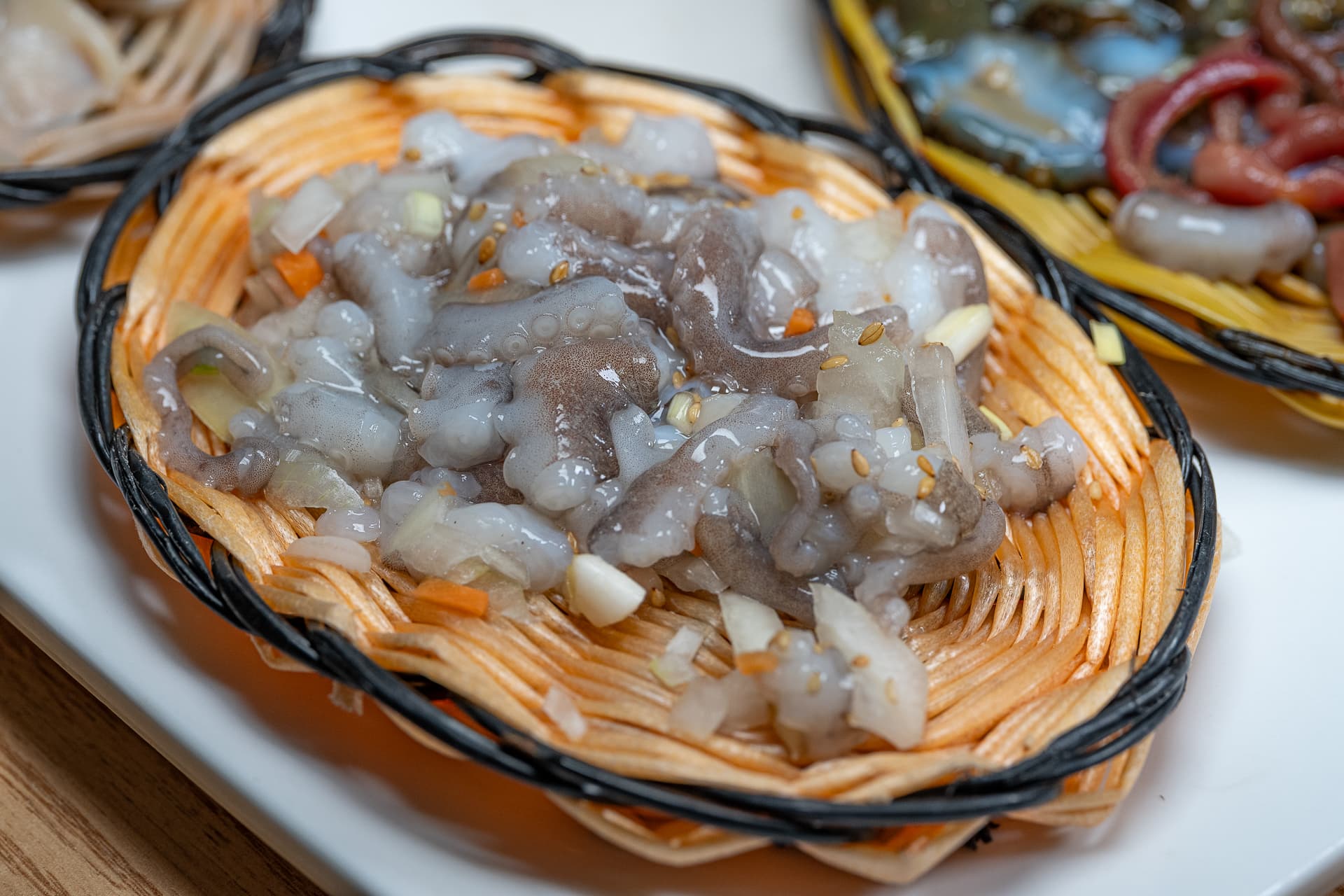
The signature lineup actually has three courses. On top of Bada Hana and Bada Dul, there is Bada Set (₩77,000). To the seafood and sashimi it adds steamed shellfish, the most generous configuration, built for parties of four to five or larger.
Bada Hana
₩55,000
Best for 2 guests
Tidy / clean
Bada Dul
₩66,000
Best for 2 to 3 guests
Generous / varied
Bada Set
₩77,000
Best for 4 to 5 guests
Hearty / steamed shellfish
Side Menus That Round Out the Course
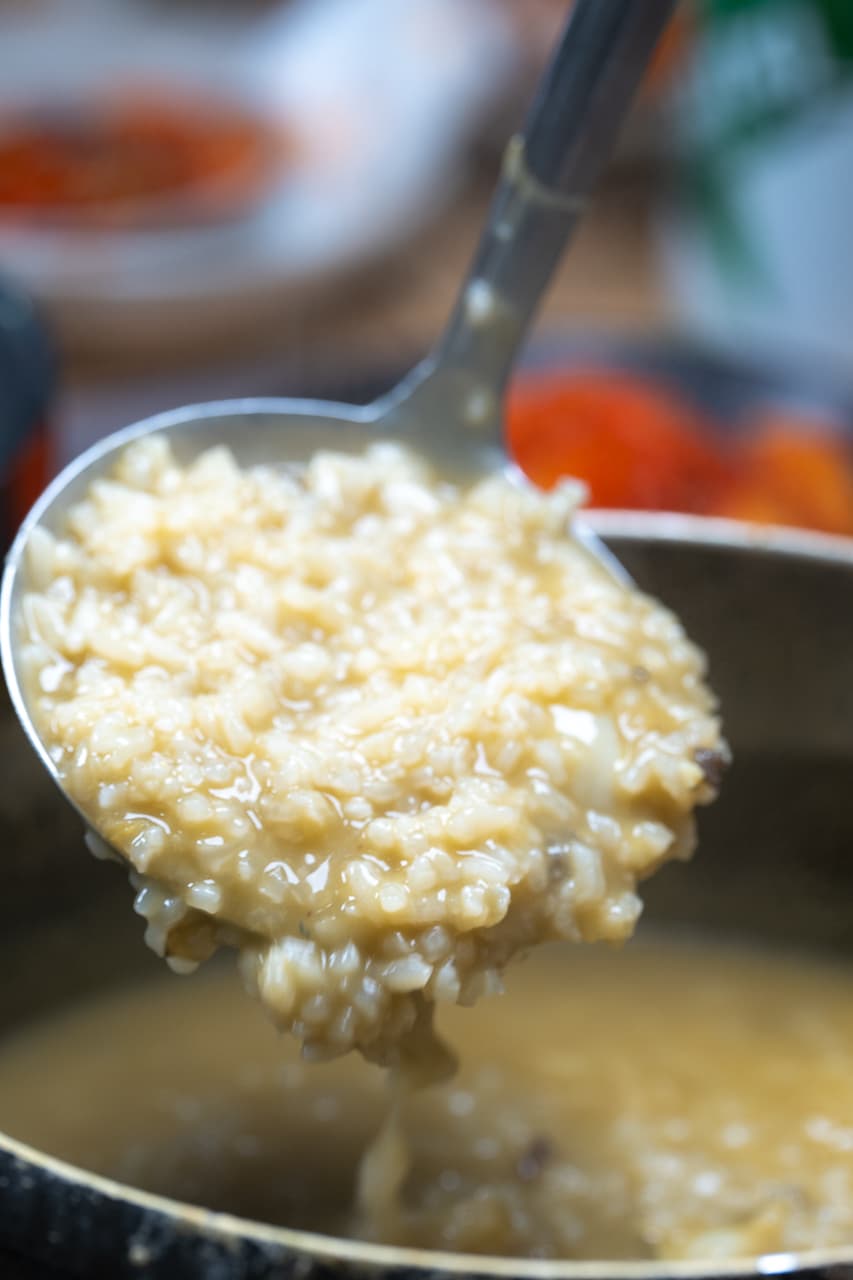
Cast-iron Abalone Porridge ₩12,000 per person (from 2 guests)
When the sashimi needs a warm closer. A rich bowl simmered to the 51-year mother's recipe finishes the meal cleanly.
Abalone Butter Sauté ₩32,000
Sautéed in the kitchen, the abalone flesh and viscera together make a deep, buttery pairing. As a drinking-side dish it lifts the whole table a notch. Kids love it too.
Haenyeo Set ₩35,000
Seaweed bibimbap with hand-cut noodles, served as a hearty meal of its own. Ideal for guests who want rice first, or families dining with children or older relatives.
Both Courses Pass Through the Same 51-Year Standard
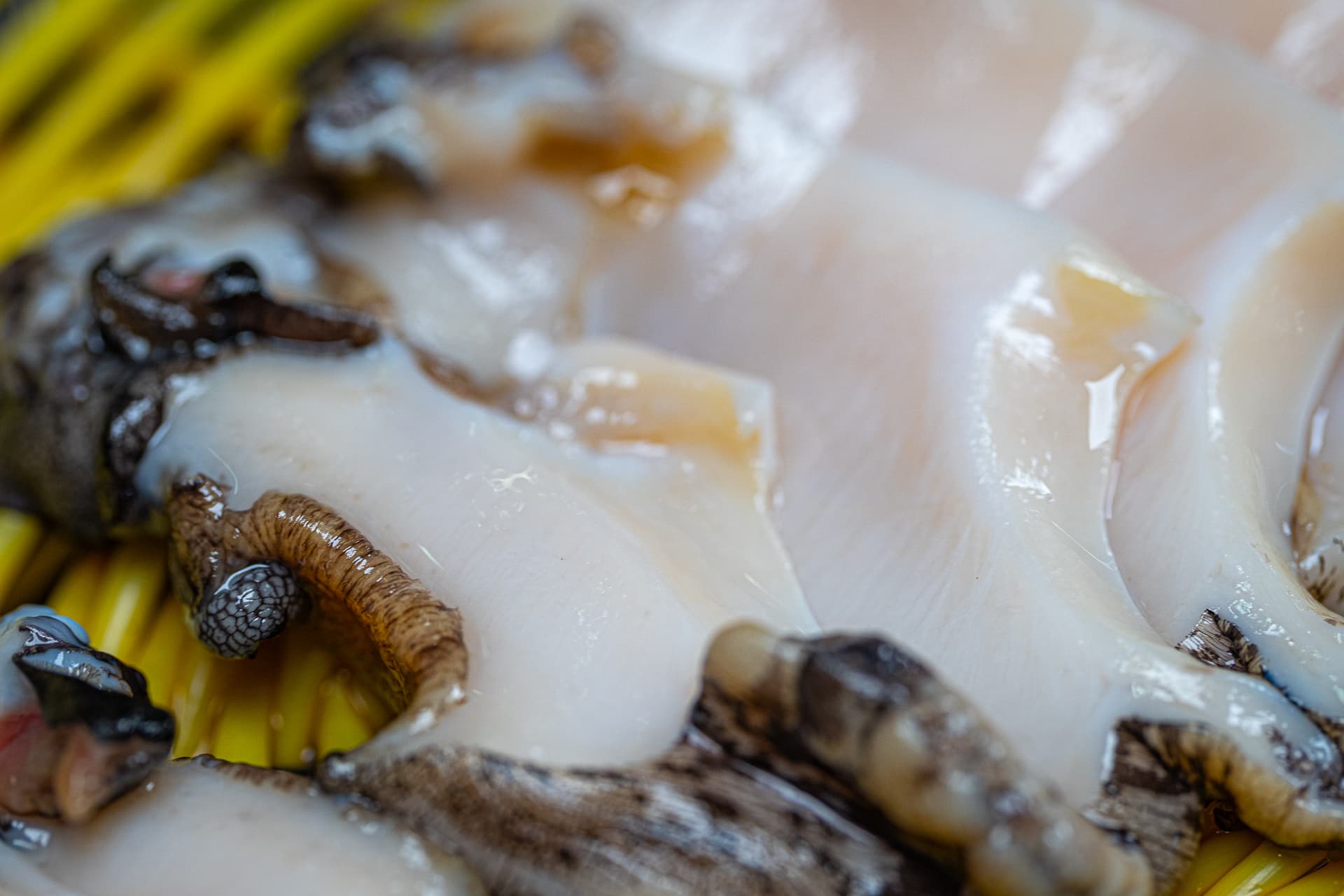
We do not lower the ingredient bar because the price is lower. Whether the order is Bada Hana or Bada Dul, the seafood that reaches the tank is drawn first from what the haenyeo mother gathers herself, with the remainder topped up from suppliers approved under her 51-year standard. The morning tank check has not been skipped a single day since the restaurant opened.
As her son joined the operation, Mother's standards were turned into a documented routine. Tool hygiene, tank temperature and prep flow are audited weekly. Whether the bill reads ₩55,000 or ₩66,000, the density of craft in every slice is the same.
How to Get Here · Reservations · Parking
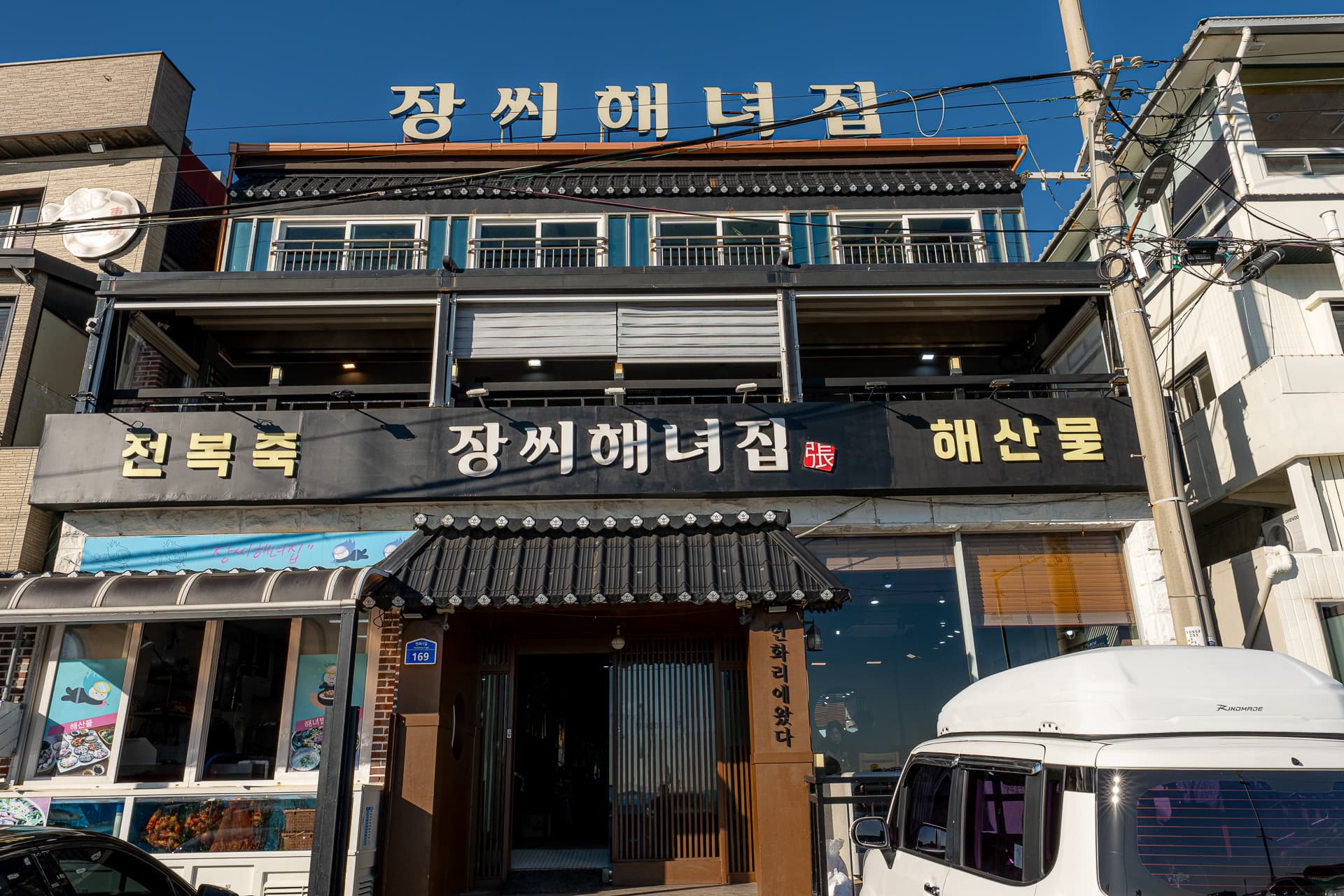
Address: 169 Yeonhwa 1-gil, Gijang-eup, Gijang-gun, Busan
Phone: +82-51-721-2425
Hours: Daily 10:00 to 22:00 (open year-round)
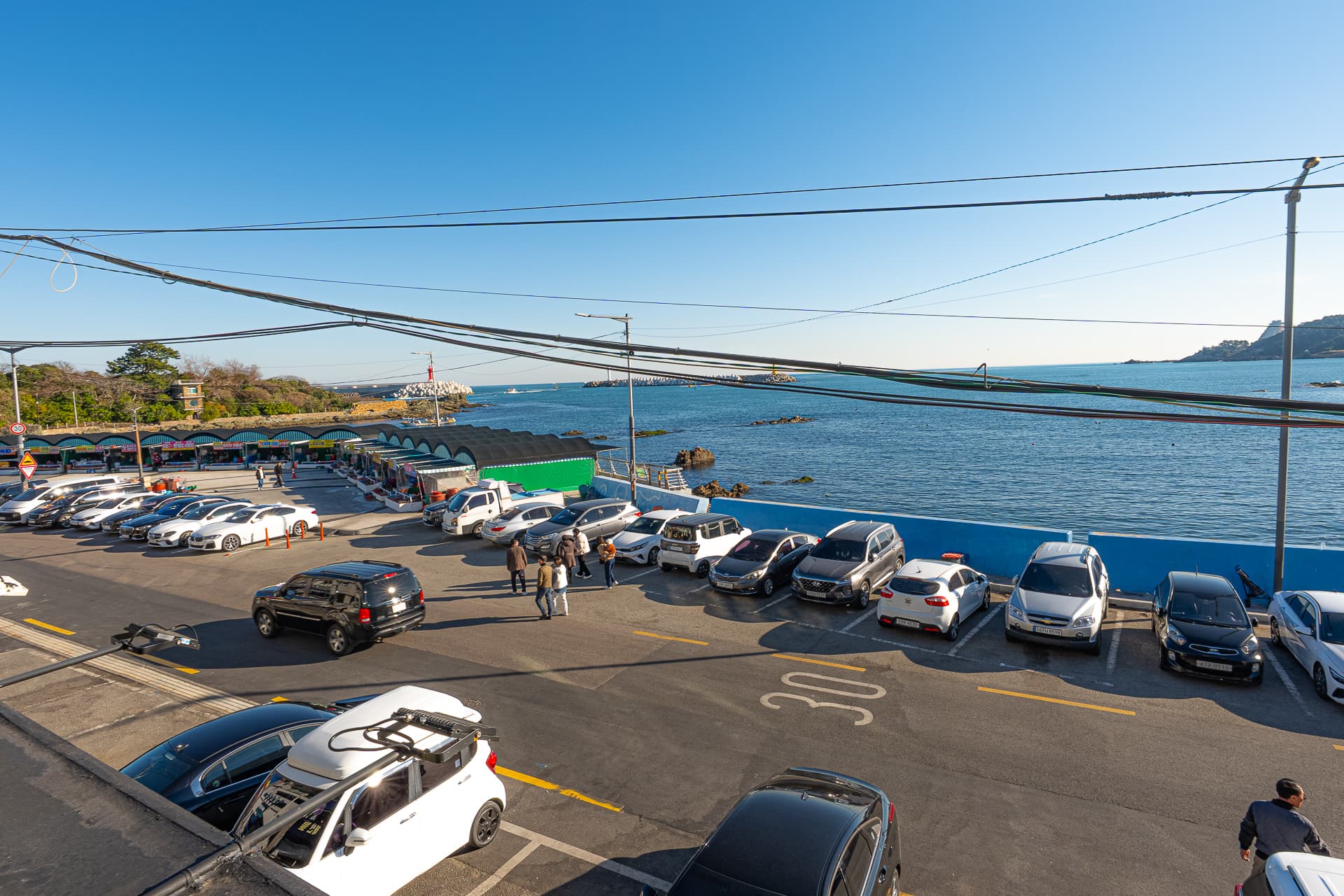
Parking: Public lot in front of the restaurant, 250 free spaces
Access: Haeundae ~20 min by car · Busan Station ~40 min by car · Donghae Line to Gijang Station + 10 min bus
▶ Jangssi Haenyeo-jip Yeonhwa-ri Main Branch
51 Years of a Haenyeo Mother's Table, at the Yeonhwa-ri Main Branch
Beyond Bada Hana and Bada Dul, the menu also includes the cast-iron abalone porridge, the Haenyeo Set and the abalone butter sauté. Whatever your party size or budget, a fitting table is waiting, with a second-floor ocean view to slow the meal down.
See more on the homepage →Frequently Asked Questions
Q. What is the price difference between Bada Hana and Bada Dul?
A. Bada Hana is ₩55,000 and Bada Dul is ₩66,000, a ₩11,000 gap. Bada Hana is a tidy two-person set built around flatfish and assorted seafood; Bada Dul layers in seven sashimi varieties (abalone, sea pineapple, sea cucumber, spoon worm, blanched octopus, live octopus, conch) plus two mak-hoe (flatfish and milchi).
Q. Which course is better for two guests?
A. For a clean, easy table, choose Bada Hana. For a wider sashimi exploration, choose Bada Dul. A popular pairing is Bada Hana plus an abalone butter sauté (₩32,000) or a cast-iron abalone porridge (₩12,000 per person).
Q. What is Bada Set?
A. Bada Set (₩77,000) is the most generous course. It adds steamed shellfish to the seafood and sashimi lineup, designed for families of four to five or larger gatherings.
Q. Which course is better when dining with children?
A. For families with kids, Bada Hana tends to be easier. The flatfish-led composition is soft and familiar. Adding the abalone butter sauté brings a buttery dish that kids usually love as well.
Q. Which course is better as a drinking spread?
A. Bada Dul. With nine sashimi from abalone to live octopus, the table keeps offering plates for a long evening. Add the abalone butter sauté and you have a complete drinking spread.
Q. Can I just walk in without a reservation?
A. Weekdays are fine to walk in. Only weekend lunch (12:00 to 13:00) and dinner (17:00 to 19:00) peaks may involve a short wait. For groups of six or more, or a fixed schedule, please call +82-51-721-2425 in advance.
Q. Is parking easy?
A. Yes. The Yeonhwa-ri public lot directly in front of the restaurant has about 250 free spaces. Tour buses are welcome, so larger groups arrive comfortably.
In the End, the Answer Sits in "Today's Mood"
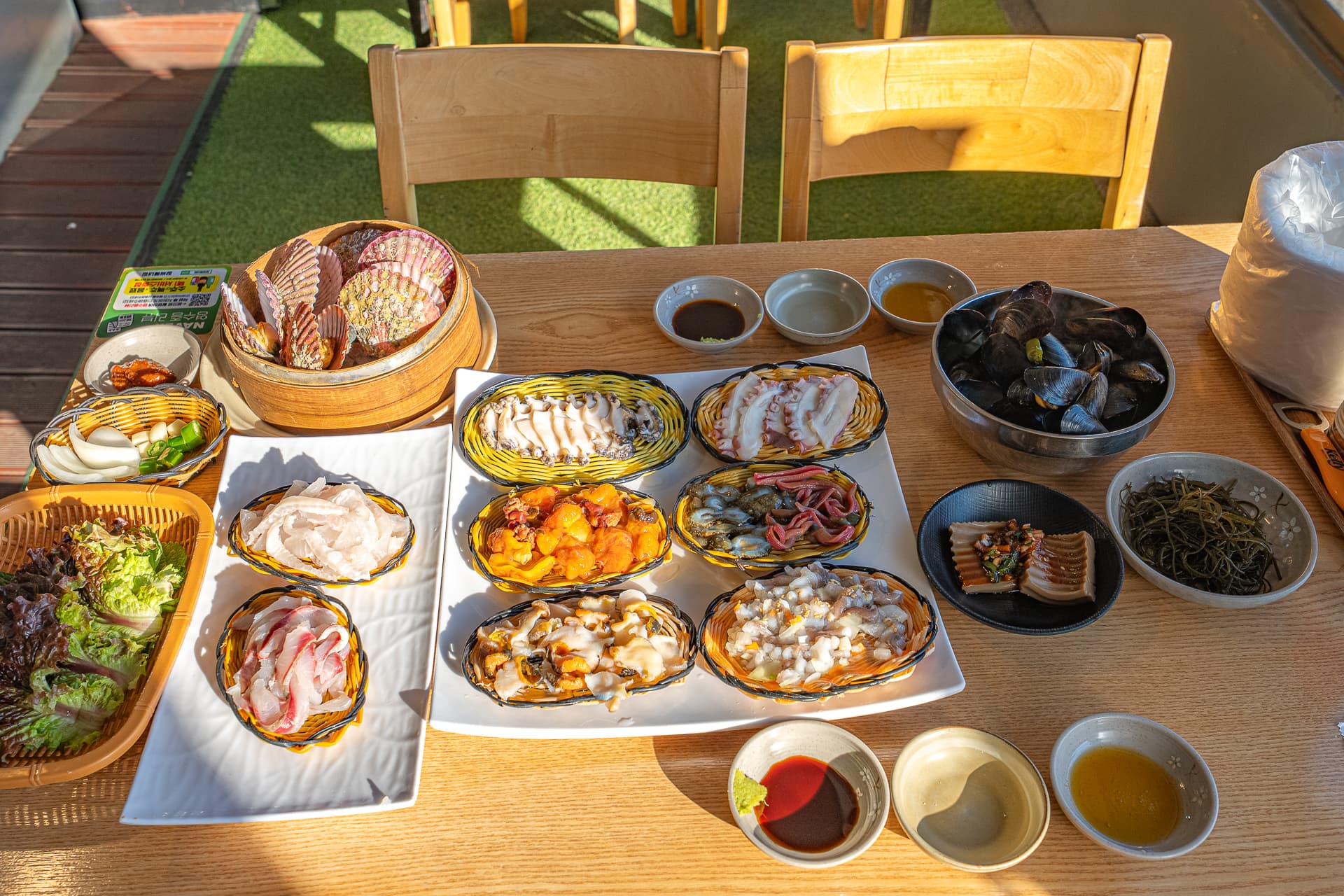
If you want a comfortable composed table, Bada Hana. If today is a day to properly explore sashimi, Bada Dul. If the party is large, Bada Set. Add a cast-iron abalone porridge, a Haenyeo Set or an abalone butter sauté on top, and any combination becomes complete.
What matters more than the price is the expression you want from today's table. Whether the bill reads ₩55,000 or ₩66,000, every slice has passed through Mother's same 51-year standard. Once you have arrived at Yeonhwa-ri in Gijang, the rest can be left to your appetite.
Sources / Interview: Jangssi Haenyeo-jip Yeonhwa-ri Main Branch (interview with the 51-year working haenyeo mother) / in-store menu / Naver Place restaurant information
Updated: 2026-05-23
Some images in this article are AI-generated illustrations based on the restaurant. Menu composition and prices may shift with operational conditions; please call ahead before your visit to confirm.