"Bada Dul" ₩66,000
Nine Kinds of Sashimi, One 51-Year Touch
Gijang · Yeonhwa-ri · Jangssi Haenyeo-jip Signature
Abalone, sea pineapple, sea cucumber, spoon worm, blanched octopus, live octopus and conch, seven kinds of sashimi, plus the gently sweet flatfish and the deep-winter longfin mullet (milchi) as two mak-hoe. A magazine guide that unpacks, slice by slice, the 51-year touch of a working haenyeo mother behind the ₩66,000 price tag.
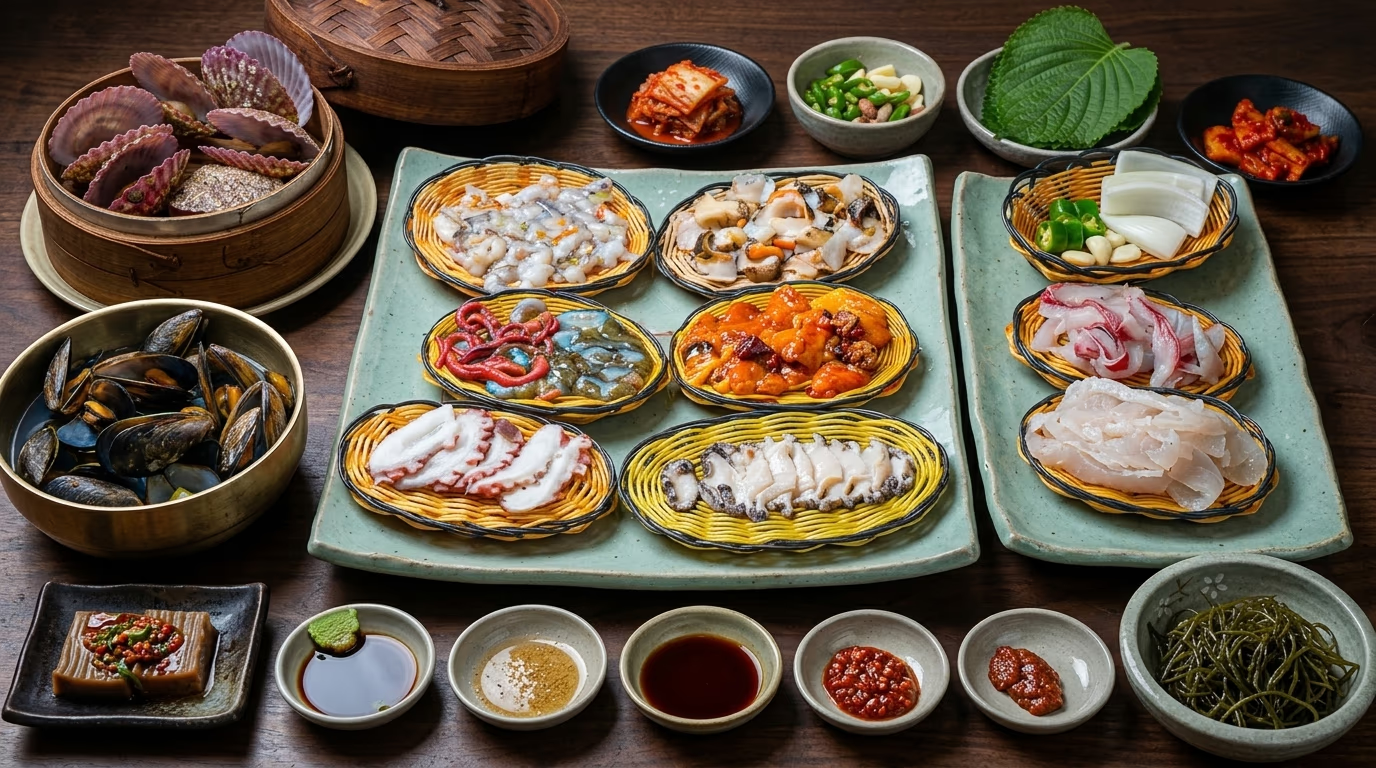
Yeonhwa-ri in Gijang, Busan sits just slightly off the main tourist track, which is exactly why locals point to it when they want to eat real sashimi. In the middle of that neighborhood, the signature dish at Jangssi Haenyeo-jip is "Bada Dul," priced at ₩66,000. To anyone hearing the number for the first time it can sound a little steep, until you learn that the table arrives with nine separate kinds of sashimi laid out at once.
This guide is not a quick menu summary. It is a slice-by-slice magazine walkthrough of all nine sashimi. We cover what each one tastes like, the texture, the best way to eat it, the drinks it pairs with, and how the same fish changes face from season to season. By the end you should be able to enjoy the table with the confidence of a regular, even on your first visit. The questions we hear most often in the dining room are gathered at the end as an FAQ.
What ₩66,000 Buys: Nine Sashimi at a Glance
Bada Dul is a single table with seven sashimi varieties plus two mak-hoe. It is priced at ₩66,000. The point is not the headcount of items, but the chance to taste, all at once, the core lineup of Korea's sashimi culture in a single sitting.
Seven sashimi + two mak-hoe = nine compartments on one table
- ① Abalone
- ② Sea pineapple (meongge)
- ③ Sea cucumber (haesam)
- ④ Spoon worm (gaebul)
- ⑤ Blanched octopus
- ⑥ Live octopus (sannakji)
- ⑦ Conch (sora)
- ⑧ Flatfish (mak-hoe)
- ⑨ Longfin mullet, milchi (mak-hoe)
Priced item by item at a typical sashimi house in central Busan, the same lineup would land somewhere between ₩90,000 and ₩120,000. Bada Dul delivers that arrangement, as one composed table, at close to half the cost. The reason is straightforward: we use the catch that passes through Mother's eye first, and we only top it up from a tightly limited network of suppliers that meet her 51-year standard, which keeps the middle markups close to zero.
What Does "Bada Dul" Mean? The Story Behind the Name
The Jangssi Haenyeo-jip signature lineup splits into two main courses: "Bada Hana" at ₩55,000 and "Bada Dul" at ₩66,000. The names can be confusing at first, so think of it this way: Bada Hana is the more composed, refined table; Bada Dul is the fuller, sashimi-forward table.
The word "dul" (둘) means "two," and the name comes from the idea that this table is sized just right for two people to slowly empty together. In practice, two guests can take their time and finish it; three guests usually add a 2-person cast-iron abalone porridge or a Haenyeo Set and turn it into a full meal.
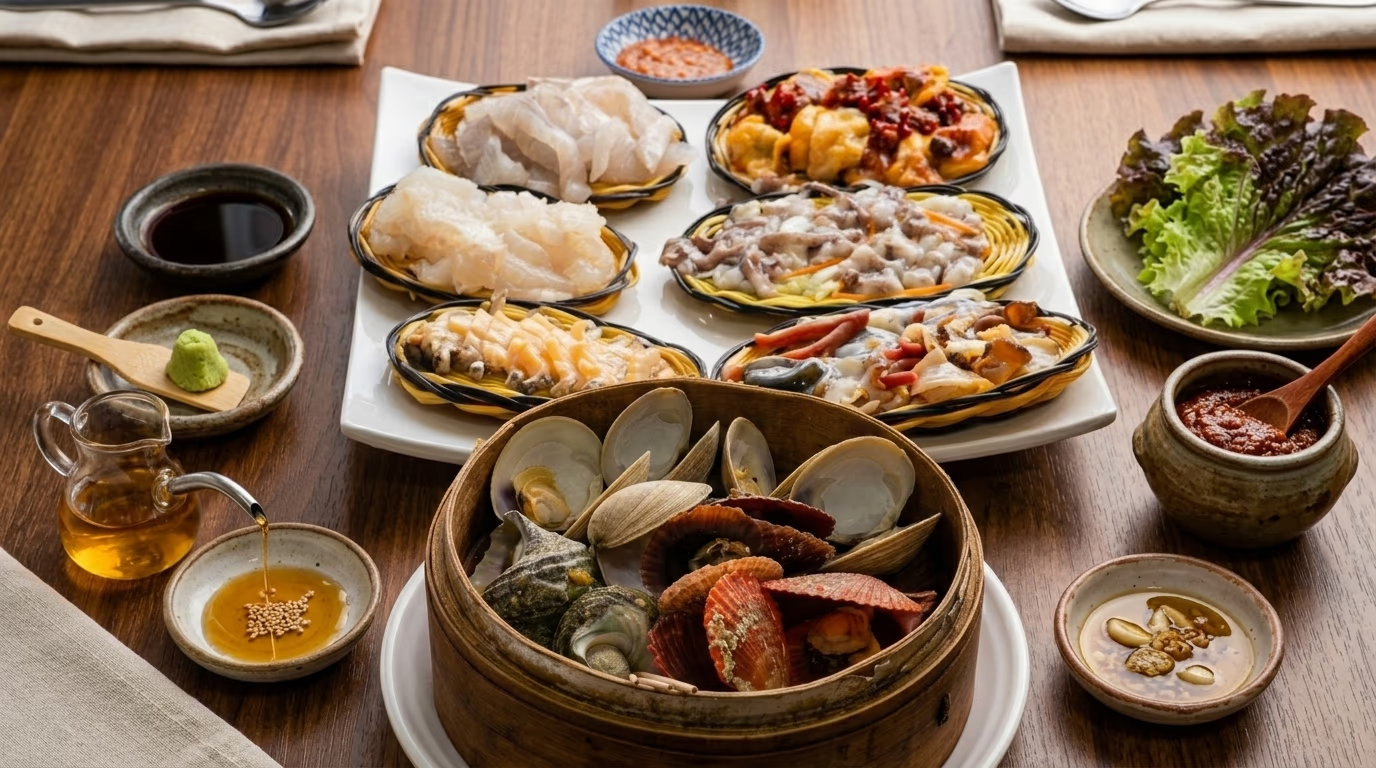
Nine Sashimi, Unpacked One Slice at a Time
For each slice we lay out the flavor, the texture, and the most-asked questions from the dining room. If you spot a sashimi you have never tried, do not skip it. One or two pieces is all it takes to discover a new favorite.
01.Abalone Sashimi
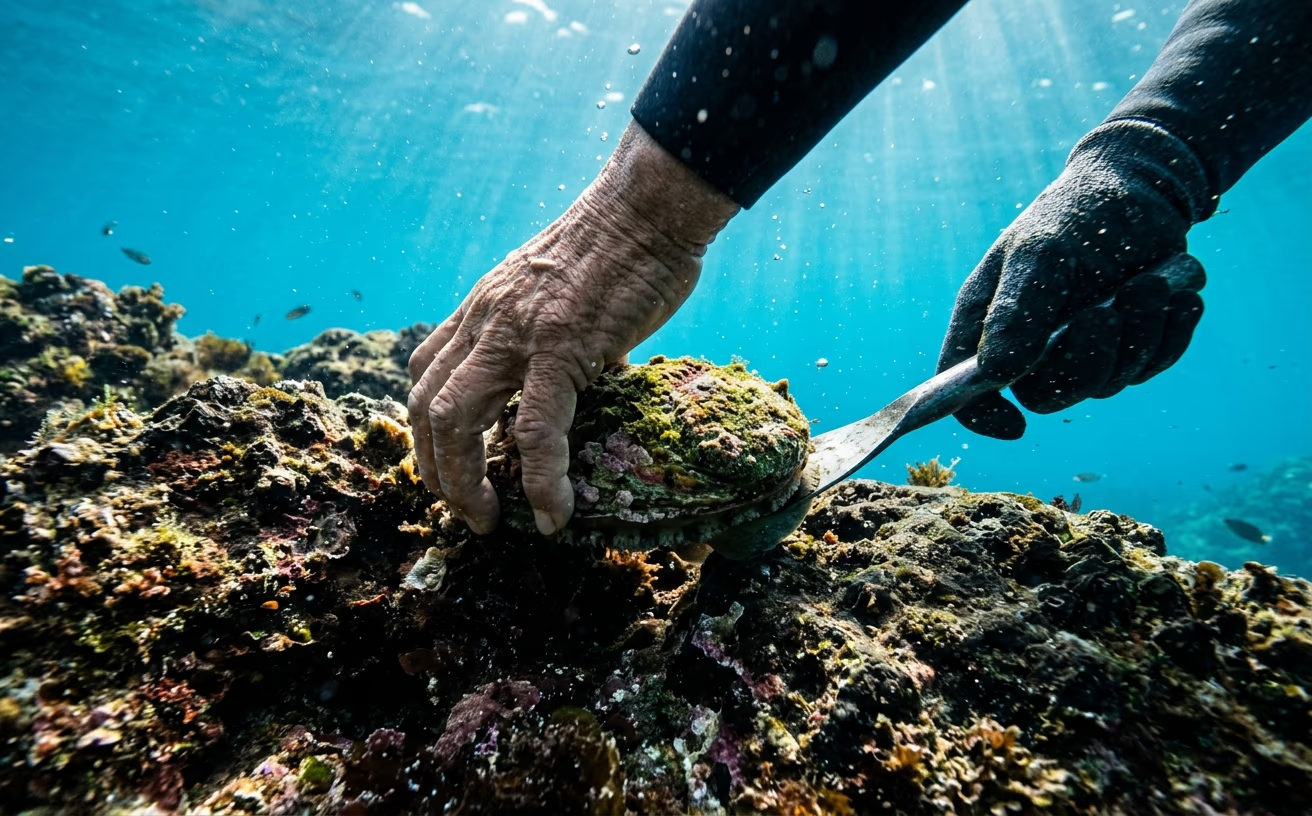
Flavor: Clean at first, then a sweetness that lingers on the tongue.
Texture: Springy, firm flesh. Every bite leaves a sea-fresh aftertaste in the mouth.
How to eat: A light dip in soy or sesame oil with salt. Anything more aggressive buries the natural sweetness.
Season: Peaks from June to September.
The first slice most guests reach for at Bada Dul. Because it sets the benchmark for our 51-year touch, this is the ingredient Mother inspects most strictly of all.
02.Sea Pineapple Sashimi (Meongge)
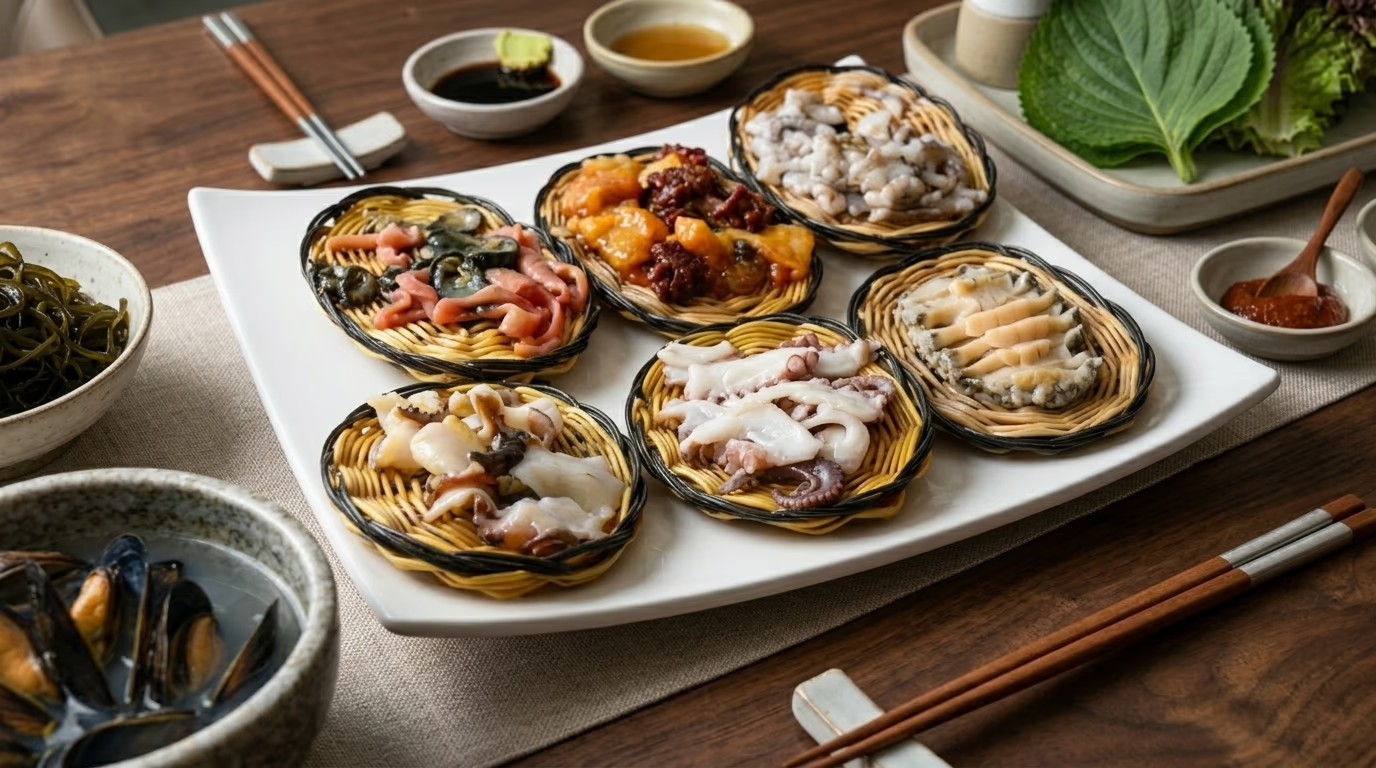
Flavor: Deep marine aroma with a faintly sweet finish.
Texture: A burst of cool, refreshing juice the moment you bite down.
How to eat: No condiments. The aroma divides opinion, but once you fall for it, no other sashimi quite measures up.
Season: Aroma is at its richest from April to October.
A single bite delivers one of the most vivid moments of the underwater world straight to your tongue. A glass of chilled cheongha or a clean soju settles the aroma beautifully.
03.Sea Cucumber Sashimi (Haesam)
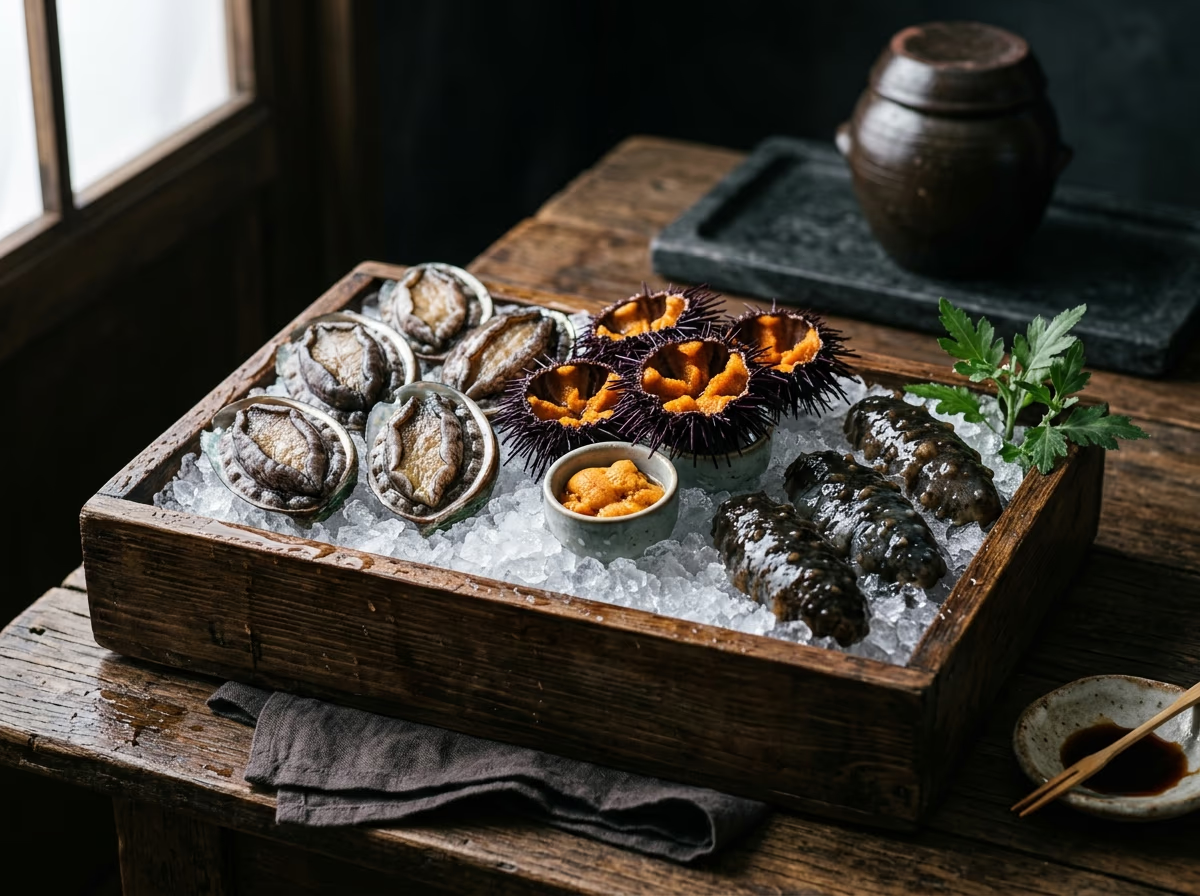
Flavor: Subtle at first, but a mineral note builds with chewing.
Texture: Firm, snappy bite. Once you adjust to it, it becomes habit-forming.
How to eat: A small dab of cho-gochujang (vinegared chili paste). The mineral edge meets the sweet-sour kick and wakes up the palate.
Season: Firmest from autumn through winter.
In Korea, eating sea cucumber raw means texture is everything, and texture is freshness. The state of the tank that morning ends up on the slice in front of you.
04.Spoon Worm Sashimi (Gaebul)
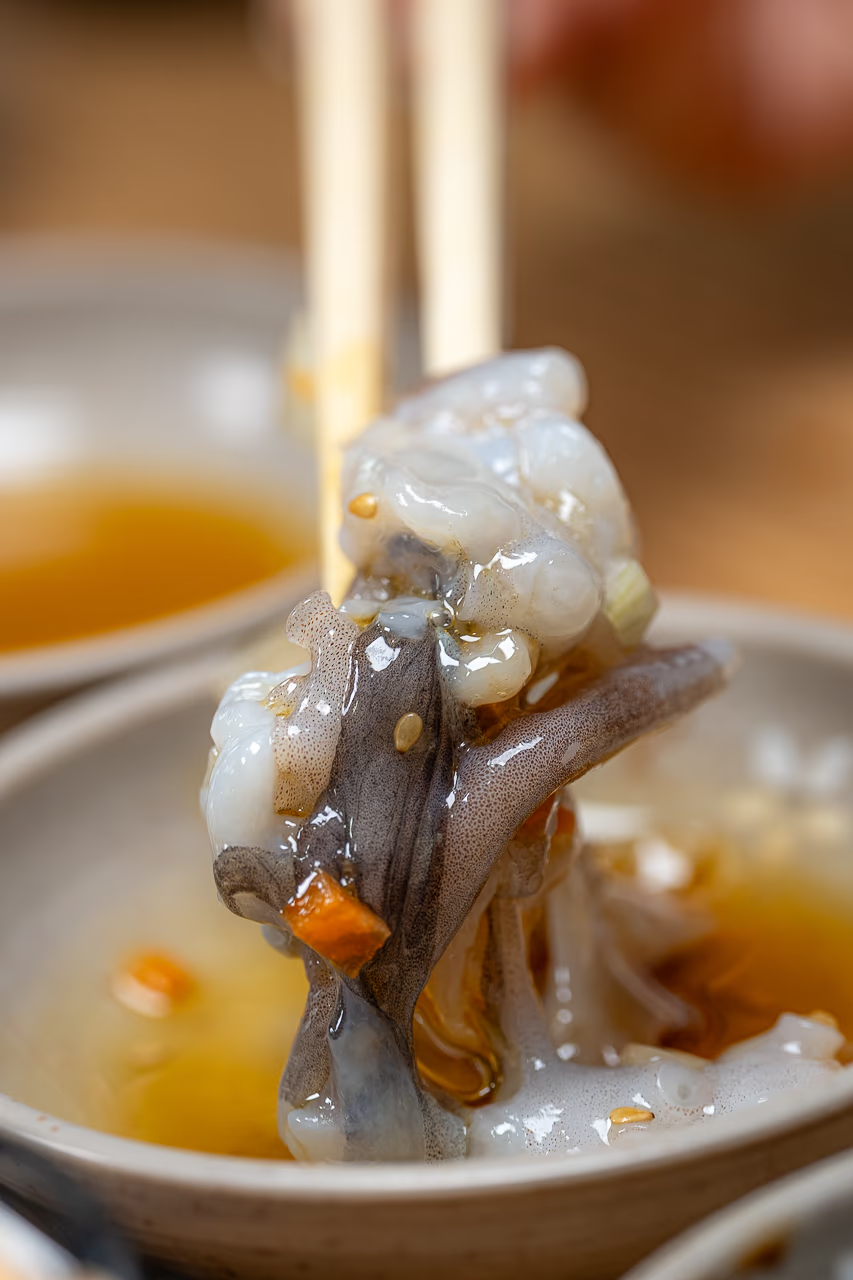
Flavor: Possibly the most concentrated sea-mineral flavor on the entire table.
Texture: A light, gentle crunch that is far easier to enjoy than it looks.
How to eat: Sesame oil and salt is the answer. A slight surprise on the first slice, then comfort on the second.
Season: Flesh is firmest in winter.
Its appearance puts first-time visitors on guard, but the same guests almost always reach back in with a "wait, what was that?" expression. Surprisingly popular with international guests.
05.Blanched Octopus (Munoe Sukhoe)
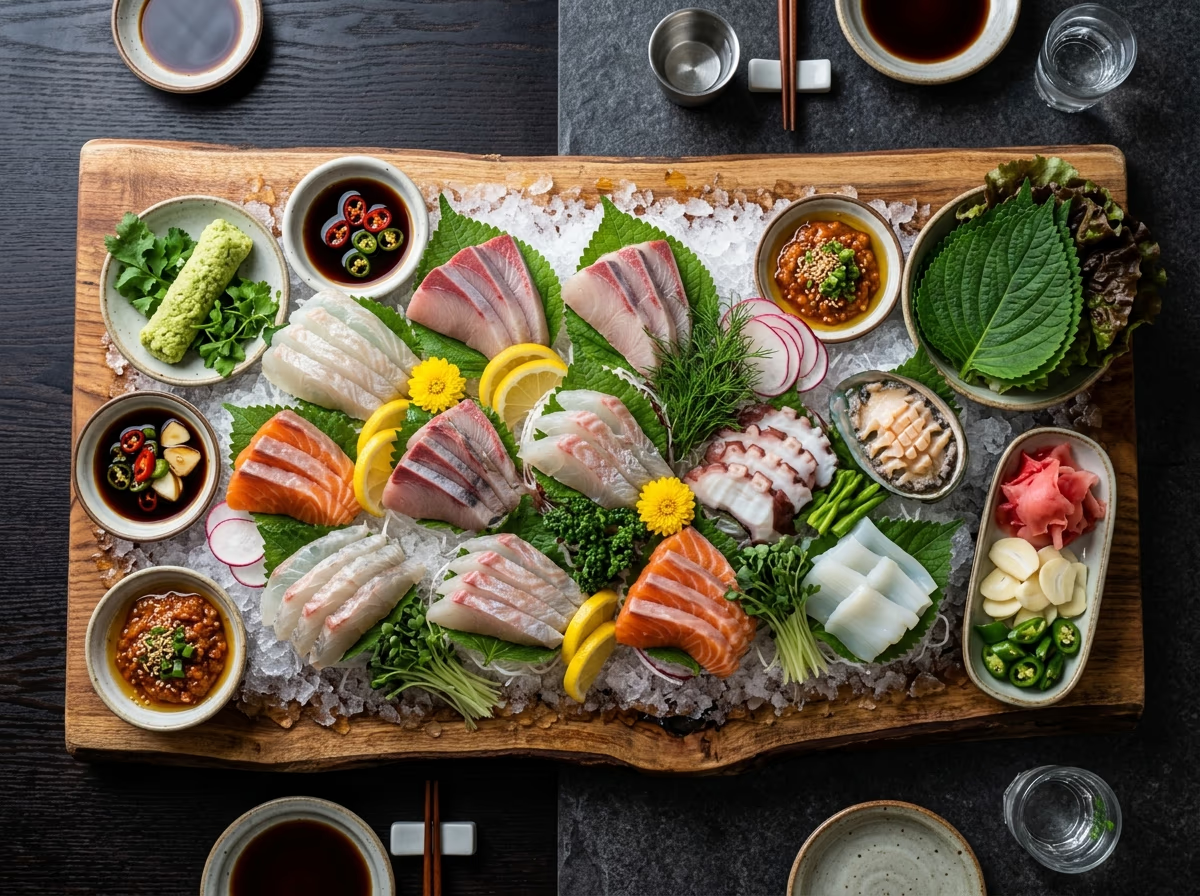
Flavor: The saltiness leaves with the blanching, replaced by a deeper, lingering sweetness.
Texture: Soft yet still firm right through the bite.
How to eat: Either cho-gochujang or wasabi soy works. The blanching time, judged by Mother's hand, decides the entire texture.
Season: Steady all twelve months, with the plumpest flesh in spring.
A confident starting point for anyone new to sashimi. The single most popular slice among child guests.
06.Live Octopus (Sannakji)
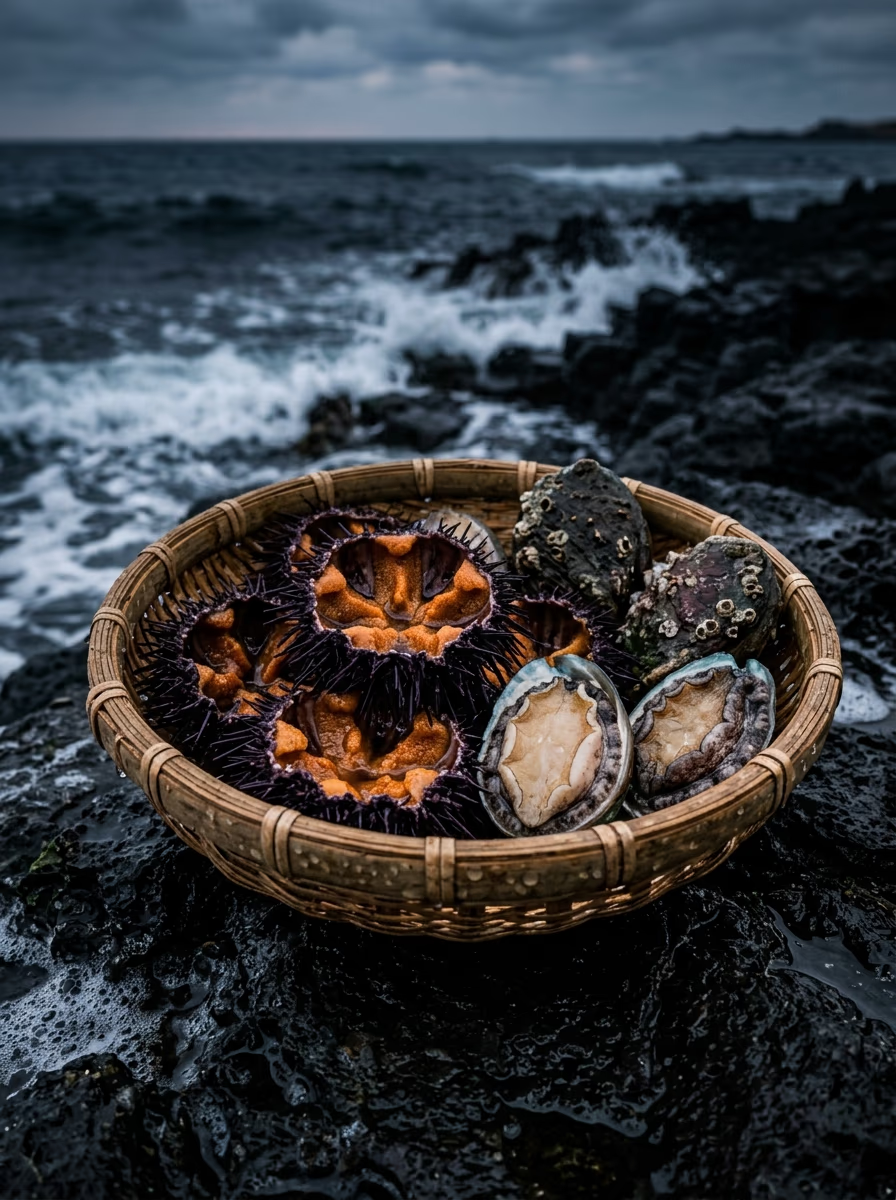
Flavor: Mineral and sweet at once, with a clean finish.
Texture: Lively suction in the mouth. A textural experience you only meet in Korea.
How to eat: Slowly, with sesame oil and salt. We cut each piece small for safe chewing and swallowing.
Season: Plumpest from autumn into winter.
The essence of Korean sashimi culture. For first-timers, try only one or two slices. Once you adjust, it tends to become the most memorable bite of the meal.
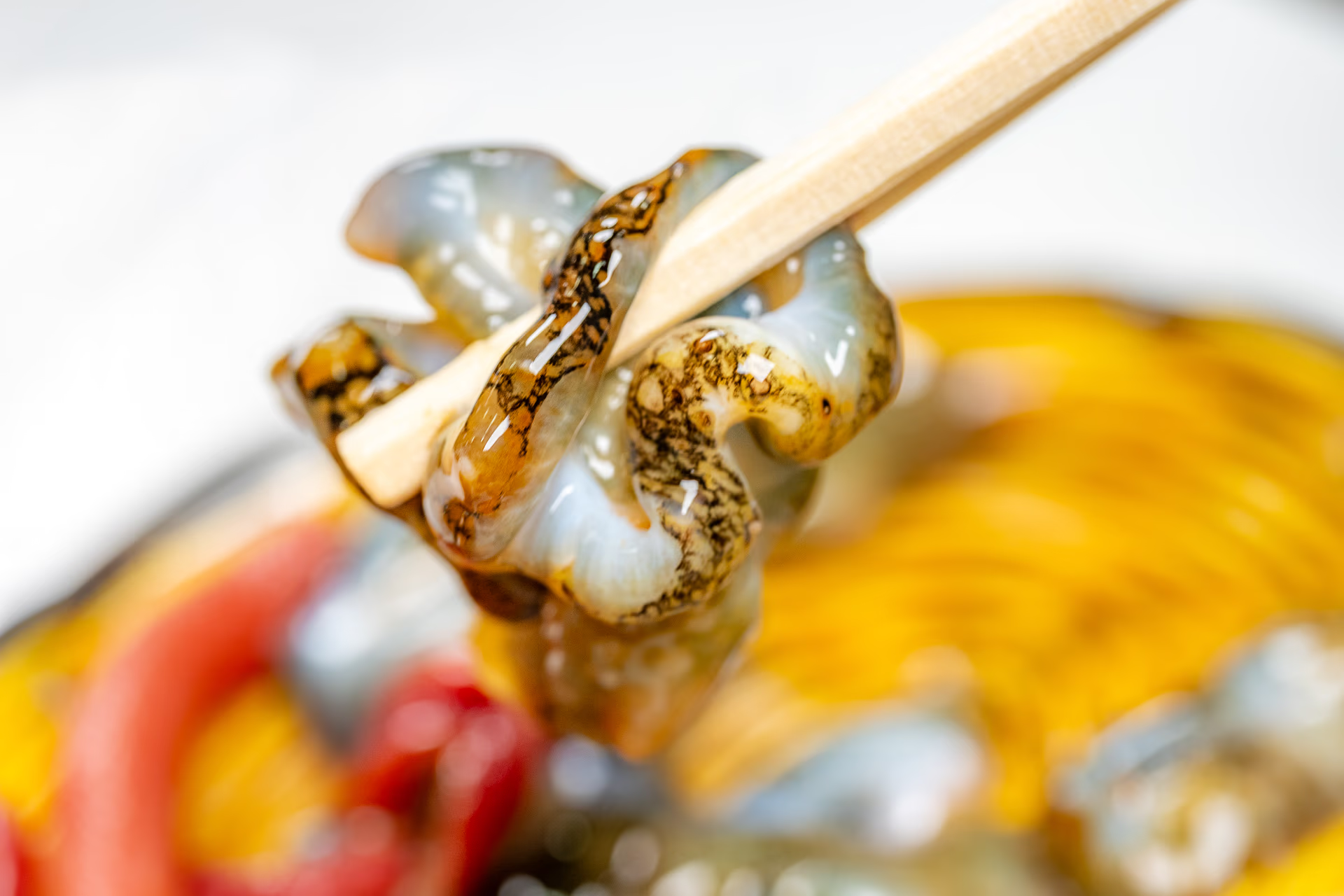
07.Conch Sashimi (Sora-hoe)
Flavor: A slightly bitter sea note that lifts up off the slice.
Texture: A distinct crispy snap, clearly different from every other slice on the table.
How to eat: Cho-gochujang is the standard pairing. It tames the bitter edge cleanly.
Season: Flesh is softest from spring through summer.
Many regulars say a Busan sashimi table is not complete without conch. One bite tends to draw a "yes, this is what was missing" nod.
08.Flatfish Mak-hoe (Gwangeo)
Flavor: Soft and quietly sweet.
Texture: Melts gently in the mouth with a clean finish.
How to eat: Wasabi soy is the easiest pairing. It is also delicious on its own with no condiment at all.
Season: Richest fat from November to February.
The slice we hand confidently to first-time sashimi eaters, children, and international guests. A generous slab of flatfish is part of what makes Bada Dul, well, Bada Dul.
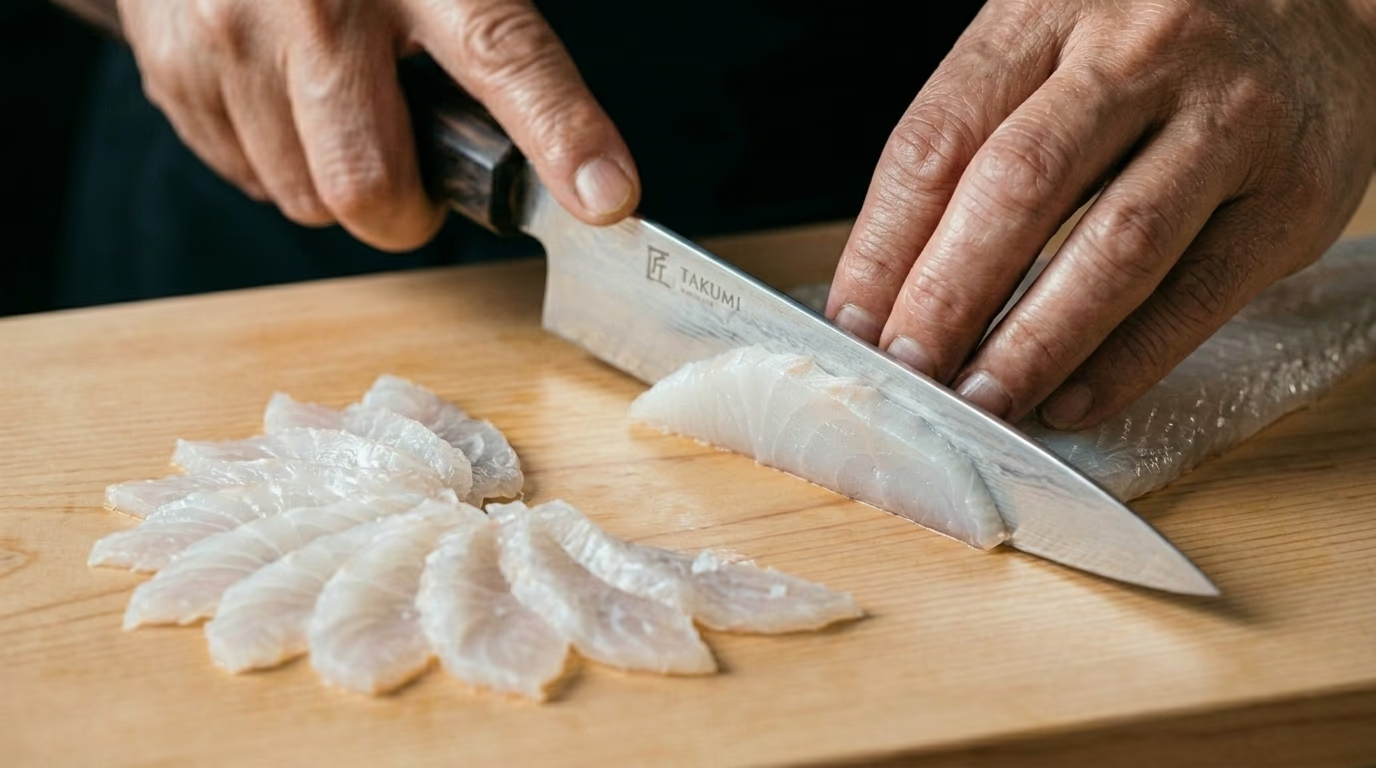
09.Longfin Mullet Mak-hoe (Milchi/Gasungeo)
Flavor: Rich and buttery, a slice that almost melts in the mouth.
Texture: Thick yet yielding, the flesh comes apart softly.
How to eat: Wasabi soy lifts the sweet, oily character better than cho-gochujang.
Season: Best of the year from November to March.
As winter approaches, the lead role on the Bada Dul table shifts naturally from flatfish to milchi. More than a few regulars say outright: "In winter, I come for the milchi."
In What Order Should You Eat the Nine?
Because all nine sashimi arrive at once, many first-time guests pause and wonder where to start. We recommend moving from the milder, softer slices toward the more aromatic ones. That way your palate stays sharp through the last bite and each slice keeps its own clear character.
- Flatfish: the softest, most familiar entry slice.
- Blanched octopus: gently cooked, it cleans and frames the palate.
- Abalone: the signature, with a long-lasting sweetness.
- Milchi (longfin mullet): rich and buttery, especially in winter.
- Conch: a faintly bitter mineral note to wake the palate.
- Sea cucumber: a crunchy textural shift.
- Spoon worm: the moment of deepest sea minerality.
- Sea pineapple: the aroma deepens into a full crescendo.
- Live octopus: the closing slice you only meet in Korea.
There is no single right answer. Start with whatever you already love. Just keep in mind that opening with the most aromatic slices (sea pineapple, spoon worm, live octopus) can mask the gentler sweetness of flatfish later on.
Where the 51-Year Touch Actually Comes From
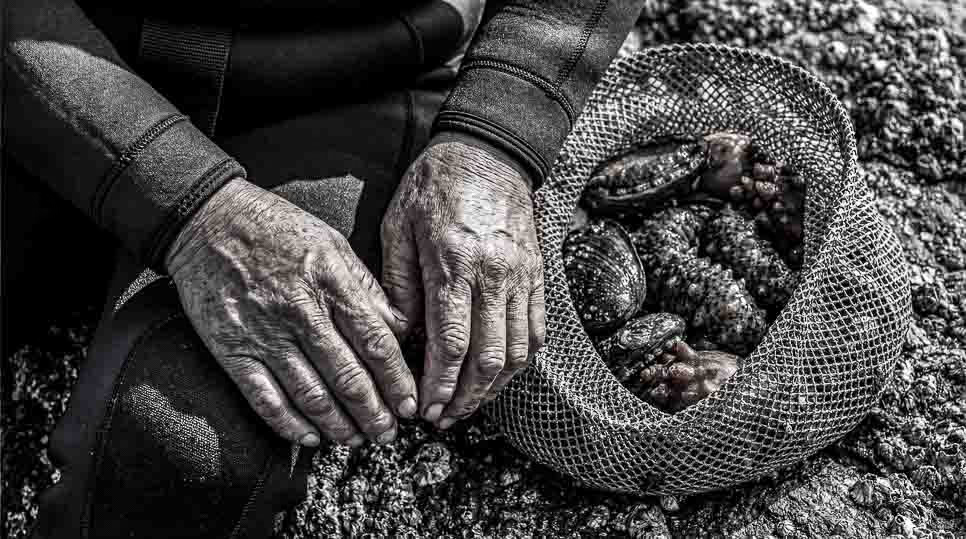
The decisive difference between Jangssi Haenyeo-jip and other sashimi houses lives in the inspection step. Every piece of seafood that arrives in the early morning has to pass one more check by Mother, a 51-year working haenyeo. Only the items that clear her eye make it into the tank or onto a guest's table that day.
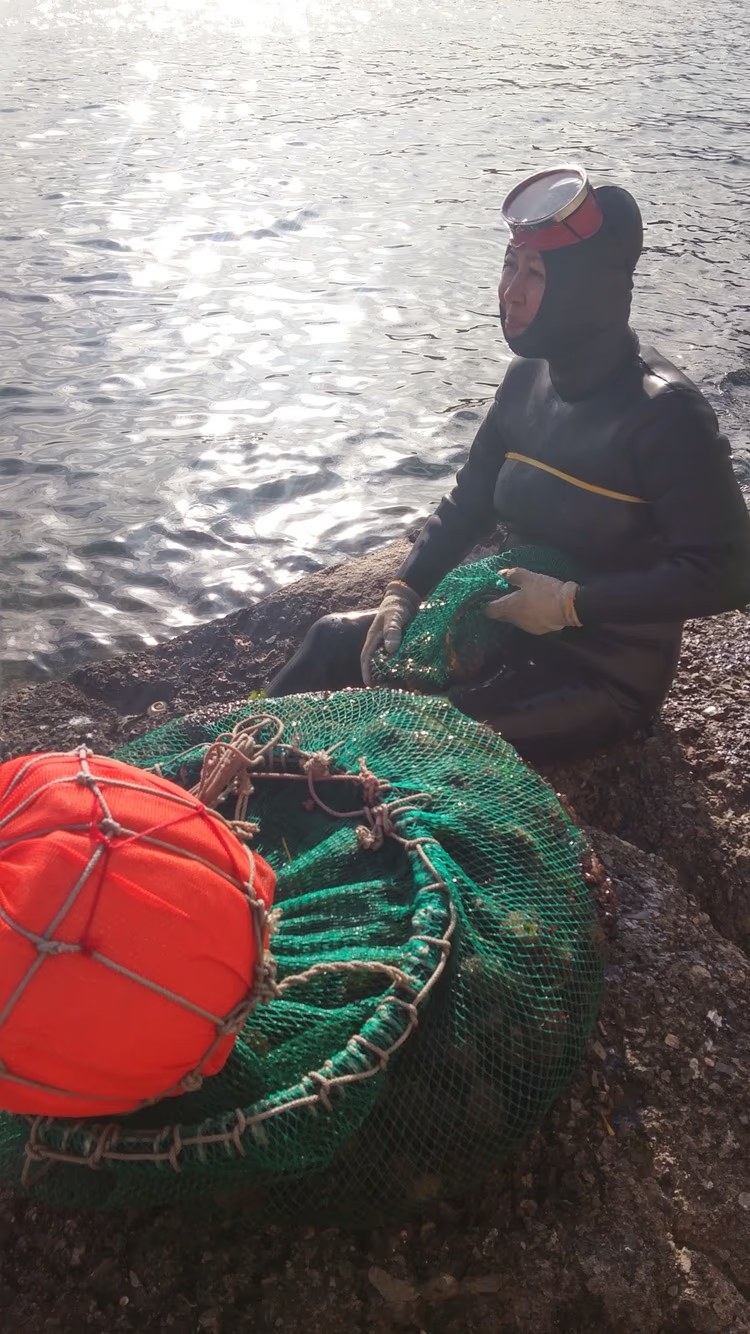
Seafood that Mother personally gathered through her own diving work is the first to reach the table. Whatever the dive does not cover gets sourced from suppliers who meet her 51-year standard, with the same strict pass-or-fail eye. We never buy stock just to fill numbers.
As her son took on the day-to-day operations, the systems around her got tighter. The 51-year standard stays untouched; what changed is that the workflow, tank management, and tool hygiene are now audited every week so that standard repeats without drift. Every slice of Bada Dul is the product of Mother's 51 years and her son's standardized routine, working together.
Party Size, Drinks and Sides: How to Build the Right Table
Bada Dul is best for two to three people. For four or more, add a Bada Hana, or pair Bada Dul with the cast-iron abalone porridge (₩12,000 per person, minimum two) so no one leaves hungry.
💡 Suggested combinations by party size
· 2 guests: Bada Dul alone (take your time with drinks)
· 3 guests: Bada Dul + 2-person cast-iron abalone porridge
· 4 guests: Bada Dul + Bada Hana, or Bada Dul + Haenyeo Set (₩35,000)
· 6+ guests: Bada Dul ×2 + Abalone Butter Sauté (₩32,000) + cast-iron abalone porridge
Which drinks pair best?
- Cheongha / cheongju (rice wine): the best match for the more aromatic slices like sea pineapple, sea cucumber and conch.
- A good Korean soju: falls cleanly with sweeter slices such as abalone and flatfish.
- Dry white wine: surprisingly happy with flatfish and blanched octopus (BYO allowed, corkage on request).
- Beer: tidies the lingering edge after live octopus or spoon worm.
- Alcohol-free cider: the designated-driver pick. Its sweetness lifts the sashimi's natural sweetness.
Seasonal Nuance: Same Lineup, Different Lead Role
Bada Dul holds the same nine-item structure all twelve months of the year, but the sweetness and texture of each species shifts noticeably from season to season. The balance of the table stays constant; what changes is which slice steps forward as the star of the day.

Spring (March–May)
A table that arrives with the scent of fresh seaweed. Blanched octopus and flatfish carry their plumpest flesh of the year.
Summer (June–August)
Abalone, sea pineapple and sea cucumber peak. The sweetest and most aromatic moment of the entire year for the table.
Autumn (September–November)
Sea cucumber firms up; live octopus and conch grow plumper. A deeper, calmer table.
Winter (December–February)
Flatfish and milchi reach the richest fat of the year. The season our regulars wait for most.
Frequently Asked Questions
Q. What is the price and composition of the Bada Dul course?
A. Bada Dul is ₩66,000. It is a single table that combines seven sashimi (abalone, sea pineapple, sea cucumber, spoon worm, blanched octopus, live octopus, conch) with two mak-hoe (flatfish and longfin mullet/milchi). Built for two to three guests, it is the signature course we recommend most often to first-time visitors.
Q. How many people is one Bada Dul good for?
A. Two to three. Two guests can take their time with drinks and finish at a relaxed pace. For three, adding a 2-person cast-iron abalone porridge (₩12,000 per person) or a Haenyeo Set (₩35,000) turns it into a full meal.
Q. Is the course suitable for someone trying sashimi for the first time?
A. Yes. The two mak-hoe (flatfish and milchi) are tender and familiar in flavor, which makes them gentle entry points. For visually unusual items like spoon worm or live octopus, try only one or two slices. Blanched octopus and conch are softer in texture, so most first-time eaters take to them quickly.
Q. Which drinks pair best with the Bada Dul table?
A. The safest pairings are chilled cheongha and a smooth Korean soju. Aromatic items (sea pineapple, sea cucumber, conch) sit well with cheongha; sweeter items (abalone, flatfish) flatter a soft soju. For designated drivers, an alcohol-free cider works very nicely too.
Q. Does the lineup change with the seasons?
A. The nine items stay the same all year, but the same species shifts in texture and sweetness from season to season. Winter is the peak for flatfish and milchi fat; summer is the peak for abalone, sea pineapple and sea cucumber.
Q. Do I need a reservation?
A. On weekdays and off-peak weekends, walk-ins are usually seated immediately. Weekend lunch (12:00–13:00) and dinner (17:00–19:00) can have a short wait, so groups of six or more, or anyone on a tight schedule, are encouraged to call +82-51-721-2425 in advance.
Q. Is parking available?
A. Yes. The Yeonhwa-ri public lot directly in front of the restaurant has about 250 free spaces. Tour buses are also welcome, so larger groups arrive easily.
Q. Is the menu suitable for children?
A. Bada Dul already includes flatfish and blanched octopus, which children tend to enjoy. Families dining with kids often add the abalone butter sauté (₩32,000) or the cast-iron abalone porridge (₩12,000 per person). Child-friendly tableware and seating are prepared on request.
Location, Reservations and Parking at a Glance
Address: 169 Yeonhwa 1-gil, Gijang-eup, Gijang-gun, Busan
Phone: +82-51-721-2425
Hours: Daily 10:00–22:00 (open year-round, last order 21:00)
Parking: Yeonhwa-ri public lot in front of the restaurant, 250 free spaces (tour buses welcome)
Access: Busan Station ~40 min by car · Haeundae ~20 min by car · Gimhae Int'l Airport ~60 min by car · Donghae Line to Gijang Station + 10 min bus
▶ More about Jangssi Haenyeo-jip
Yeonhwa-ri Main Branch: 51 Years on One Table
Beyond Bada Dul, the menu includes a cast-iron abalone porridge (₩12,000 per person), a Haenyeo Set (₩35,000), and an abalone butter sauté (₩32,000). With 250 free parking spaces directly in front, the restaurant comfortably accommodates families, couples and large groups alike.
Visit the homepage →Closing Note: A Table That Reads Like 51 Years on a Plate
Bada Dul is not just a generous list of sashimi. It is fifty-one years of intuition that Mother has drawn from this stretch of sea, the promise that only ingredients passing her eye reach a guest's table, and the system her son runs day after day so that promise repeats without drift. All of that ends up, slice by slice, on a single table.
If your route through Busan includes Gijang Yeonhwa-ri, we hope the first bite of your day is from Bada Dul. By the time you have moved from a slice of flatfish at the start to a closing piece of live octopus, you may find yourself thinking, for the first time, "so this is what Busan sashimi means." And if you finish with a small bowl from the cast-iron abalone porridge, the rest of your day tends to feel like you have eaten a whole stretch of sea.
Sources / Interview: Jangssi Haenyeo-jip Yeonhwa-ri Main Branch (interview with the 51-year working haenyeo mother) · in-store menu · Naver Place restaurant information.
Updated: 2026-05-10
Some images in this article are AI-generated illustrations based on the restaurant. Menu composition and prices may shift with operational conditions; please call ahead before your visit to confirm.